
The Hidden Anxiety Behind Earning Extra Money
I remember the exact moment my stomach dropped and panic set in. I had just made my very first $500 from a small freelance writing gig I started on the weekends. I was so proud of that extra money sitting in my bank account.
But then, a random thought popped into my head while I was drinking my morning coffee. Wait, do I have to report this extra money to the government?
I opened my laptop and started searching for answers online. Instantly, I was overwhelmed by complicated financial words and scary government warnings. The joy of earning my own money vanished, replaced by a deep fear of doing something wrong and getting into legal trouble.
I felt completely lost and alone. Normal people like us just want to make a little extra cash to pay off debt, save for a vacation, or simply buy better groceries.
We work hard during the day, and then we push ourselves even harder at night to build something of our own. Instead of feeling rewarded for our hard work, we are met with a confusing wall of government rules.
You start questioning every single dollar you make. You wonder if that small craft you sold online or that weekend rideshare driving is going to trigger an expensive audit.
The mental peace you had before starting your extra work is suddenly gone. You lay awake at night wondering how much of your hard-earned money belongs to you, and how much belongs to the state.
It feels incredibly unfair that there is no simple, straightforward manual handed to beginners. The reality is that millions of hardworking people face this exact same fear every single day.
We just want to do the right thing and pay what we owe. But figuring out exactly what that is feels like trying to solve a complicated puzzle with missing pieces.
You are not alone in this struggle. I have been in your exact shoes, staring blankly at forms I did not understand.
Today, we are going to break down this complicated topic into simple, manageable pieces. You will finally understand how your extra earnings are treated without feeling overwhelmed.
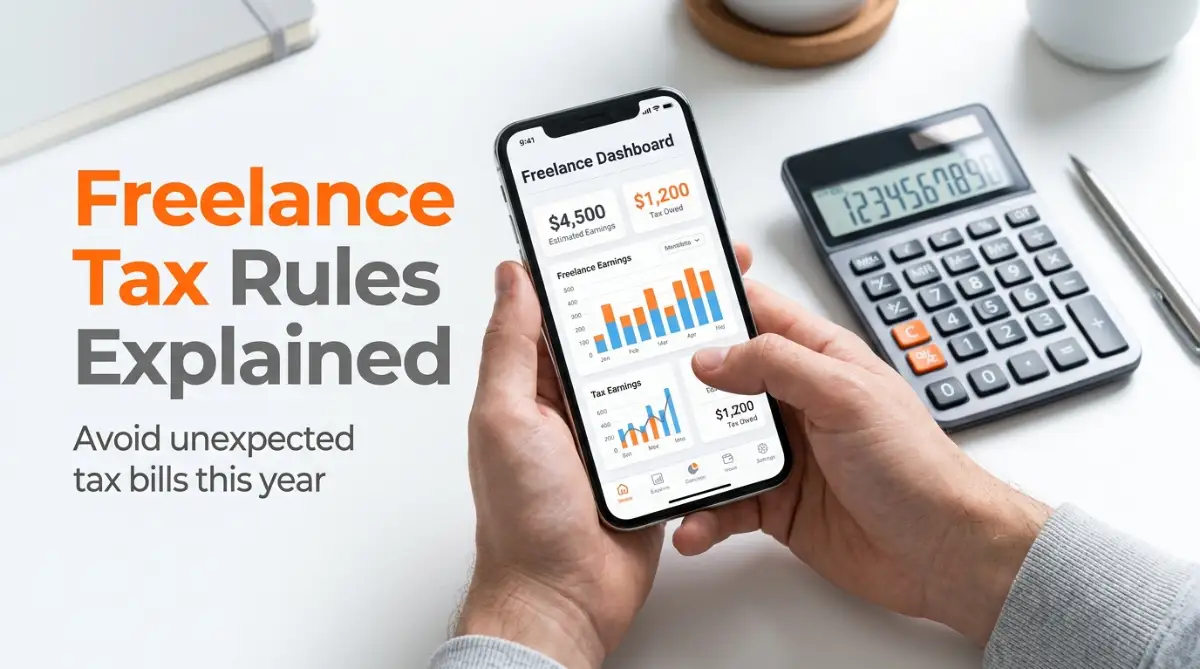
Defining Your Extra Earnings Clearly
Before we can figure out the math, we need to understand what the government actually cares about. The system uses very specific definitions to categorize the money you bring home.
So, what is a side hustle income in the eyes of the law? Simply put, it is any money you earn outside of your regular, traditional W-2 job.
If you drive for an app, sell homemade candles on the internet, or design logos in your free time, that money counts. Even if you only do it once a month, it is still considered extra revenue by the government.
Many beginners mistakenly believe that if they are not a registered company, their earnings do not matter. This is a very dangerous trap to fall into.
You might find yourself asking, "Do I need to pay tax if I am a freelancer?" The short and direct answer is always yes.
When you act as a freelancer, you are essentially a one-person operation. The government views you as an independent contractor who is entirely responsible for their own financial reporting.
Unlike a traditional job where your boss takes out a portion of your paycheck for the state, you now have to do that job yourself. You are both the employee and the employer.
This means you carry the full weight of making sure the right amounts are set aside. There is no accounting department to handle the paperwork for you.
Understanding The Core Rules
Let us look at how the IRS side hustle income rules actually work in practice. The moment you start making extra money, you are on their radar.
There is a massive misconception that small amounts of money go unnoticed or do not matter. However, the exact opposite is true.
If your net earnings from your independent work reach $400 or more in a single year, you must file a return. This is the magic number that triggers your responsibility to report.
Reporting side hustle income is not an option; it is a strict legal requirement. Even if you only made $500 for the entire year, you are legally obligated to tell the system about it.
If you fail to do so, you could face unexpected penalties, heavy fines, and a massive headache down the road. The system eventually catches up through digital paper trails left by payment processors and banks.
Pro Tip: I once made the terrible mistake of waiting until April to think about my financial obligations. Now, I have a strict rule: I move 30% of every single freelance payment into a completely separate savings account the exact second I get paid. This simple habit completely erased my end-of-the-year panic.
The Reality of Independent Taxes
When you work a normal job, your company pays half of your social safety net contributions. When you work for yourself, you are suddenly on the hook for the entire amount.
This is what people refer to as the US self-employment tax on side hustle earnings. It is currently set at 15.3% of your net profits.
This 15.3% goes directly toward funding Medicare and Social Security. It is entirely separate from your regular income brackets.
Many new earners are shocked when they see this number. They only account for their regular bracket and completely forget about this massive 15.3% hit.
This is why understanding side business income tax is so incredibly important for your financial health. If you do not plan for that 15.3%, it will eat up your profits and leave you in debt.
Are you ready to see exactly how these numbers impact your wallet? Check out this incredibly helpful breakdown below.
The Double Impact of State Level Rules
We have talked extensively about federal obligations, but the story does not end there. Depending on where you live, your local government will also want a piece of the pie.
You must consider the state tax on side hustle income in your specific location. Every single region has its own set of rules, percentages, and reporting methods.
Some lucky places, like Texas or Florida, do not charge you anything on a local level. You get to keep everything after the federal government takes its share.
However, places like California or New York will take a significant additional percentage of your earnings. This makes taxes on side hustle income highly unpredictable if you move around or travel.
You need to actively research the specific rules for your local area. Never assume that the federal guidelines are the only things you need to worry about.
Figuring Out Your Final Bill
At this point, you are probably asking the most important question of all. How much tax will I pay on a side hustle?
There is no single magic number because everyone has a different financial background. Your final bill depends entirely on your total combined earnings from all sources.
-
First, you add up everything you made from your day job.
-
Second, you add your net profit from your extra work.
-
Third, you calculate the 15.3% self-employment hit on the extra work.