Section 1: The Pain, Struggle & Reality
I remember looking at my face in the mirror last year and just wanting to hide. My skin wasn't just red; it felt like it was literally on fire every time I tried to use my favorite face wash.
I felt so lost and embarrassed that I even started canceling plans with my friends because I didn't want them to see my flaky, painful mess of a face.
Have you ever woken up, looked in the mirror, and felt a sudden wave of panic? Your skin looks red, feels tight, and hurts when you touch it. Even the gentlest splash of water causes a stinging sensation that makes you wince.
This is the frustrating reality of a damaged skin barrier. It is a quiet, painful struggle that millions of people face every single day.
You might try to cover the redness with makeup, but the foundation just cakes up on your dry patches. You try to soothe the burn with a commercial moisturizer, but your face immediately turns bright red and starts to sting.
It feels like your own face has turned against you, and you do not know how to fix it. Most people in this situation make the exact same mistake. They panic and search online for quick fixes, buying expensive bottles of serums and harsh exfoliators.
They read confusing advice on social media from people who are not experts. They get told to scrub away the flakes, or to apply strong acids to "renew" their skin.
Unfortunately, this wrong information makes the problem much worse. Your skin is not dirty; it is wounded. Adding more chemical products to an already broken skin barrier is like pouring gasoline on a fire.
It strips away the tiny amount of natural defense your skin has left. This constant cycle of trying new products and failing can take a heavy toll on your mind. It chips away at your daily confidence.
You might find yourself avoiding bright lights or skipping social events because you feel self-conscious about your face. You spend hours searching the internet, wishing you could just find a simple, honest solution that works.
I still remember that night vividly. I sat in front of the bathroom mirror, holding a cold, wet cloth to my burning cheeks, and desperately trying to hold back tears. If you're feeling that helpless right now, take a deep breath and remember—your skin isn't ruined forever.
It is exhausting to worry about your face every time you step outside or wash your hands. You just want your comfortable, healthy, and pain-free skin back.
The good news is that you do not need to spend a fortune on complex chemical creams to heal. Nature has already provided the exact building blocks your skin needs to rebuild itself.
By understanding how your skin works, you can stop the cycle of irritation today. We are going to look at how we can use simple, natural ingredients to calm the fire and rebuild your protective shield.

Section 2: Step-by-Step Educational Guide
Before we look at the natural remedies, let us understand what is actually happening to your face. Think of your skin barrier as a sturdy brick wall.
The bricks are your skin cells, and the mortar holding them together is made of natural lipids and fats. When this mortar is washed away by harsh chemicals, the bricks crumble.
Moisture escapes easily, and external irritants, bacteria, and dirt enter without any resistance. This is why everything you apply causes a burning sensation.
To heal this wall, we must stop damaging it and start supplying the natural elements that mimic our skin's own oils. Here are the first three practical steps you can start using today.
No 1: Strip Your Daily Routine Down to Zero
I know how hard it is to keep those beautiful, expensive serums you bought with your hard earned money unused.
But trust me—your skin doesn't need any more new products right now. He just needs a safe, calm environment, where he can breathe naturally and heal himself.
The very first step to healing is to stop doing what caused the damage. Your skin cannot repair itself if you keep attacking it with active ingredients every day.
- Stop using all chemical exfoliants like salicylic acid, glycolic acid, and lactic acid.
- Put away your retinols, anti-aging serums, and strong vitamin C creams.
- Avoid using physical face scrubs, brushes, or rough washcloths.
These products are too aggressive for a skin barrier that is currently broken. They tear away the delicate new cells that are trying to grow and protect your face.
For the next two weeks, you should wash your face with lukewarm water only. Hot water strips away the natural lipids, while cold water does not clean effectively.
If you feel your face is too oily, you can use a tiny amount of organic, raw honey as a cleanser. Honey has natural cleansing properties that do not strip your skin of its precious oils.
Just wet your face, gently massage a teaspoon of raw honey onto your skin, and rinse it off with cool water. Your skin will feel clean, soft, and completely calm.
One huge mistake I made early on was thinking I could "exfoliate" the flakes away with a rough scrub. I thought if I just got the dead skin off, it would look better, but it actually made the redness much worse and took weeks to fix.
Now I know that those flakes are just your skin trying its best to protect itself, so please, put the scrub down and just let your face rest.
[Normal Skin Barrier]          [Damaged Skin Barrier]
   Water Stays In                 Water Escapes (TEWL)
    |   |   |                      ^   ^   ^
+---+---+---+---+              +---+   ---+---+
|     Bricks    |              |   Crumbling  |
+---------------+              +--------------+
|  Rich Mortar  |              | Missing Oils | <--- Irritants Enter
+---------------+              +--------------+
No 2: Flood Your Skin with Natural Humectants
Once you have stopped the damage, you need to bring moisture back into the dehydrated skin cells. We do this by using natural ingredients called humectants.
Humectants work like tiny magnets that pull water from the air and lock it into your skin. Two of the best natural humectants in the world are pure aloe vera gel and raw organic honey.
Aloe vera is famous for its cooling properties on sunburns, but it is also a miracle worker for a broken skin barrier. It contains active compounds that reduce swelling and help your skin heal faster.
Make sure you use pure aloe vera gel directly from a fresh plant leaf, or buy a store-bought gel that has zero added alcohol or artificial perfume. Apply a thin layer of the gel to your damp face.
You will feel an instant cooling sensation as the plant gel calms the active inflammation. It stops the itching and gives your skin a deep drink of clean water.
Raw honey, especially Manuka honey, is packed with natural sugars and healing enzymes. It is a powerful natural humectant that also fights off bad bacteria.
You can use raw honey as a soothing face mask two or three times a week.
- Apply a thin layer of raw honey to your clean, damp face.
- Leave it on for fifteen to twenty minutes while you relax.
- Gently rinse it off with lukewarm water.
This simple treatment helps to pull moisture deep into your dry skin cells, leaving your face feeling plump and calm.
If you want to see exactly how to apply these healing ingredients without causing more redness, watch this quick guide below. It really helped me get the technique right so I didn't irritate my skin even further!
No 3: Seal the Moisture with Plant-Based Lipids
Hydrating your skin with water is only half the battle. If you do not seal that water in, it will simply evaporate into the air, leaving your skin even drier than before.
This process is called Transepidermal Water Loss (TEWL). To stop this, we must apply natural, plant-based oils that mimic the mortar in our skin's brick wall.
Many people with damaged skin are afraid to use oils because they worry about clogged pores and acne. However, jojoba oil is unique because its chemical structure is almost identical to human sebum.
Your skin recognizes jojoba oil as its own natural oil, so it absorbs it easily without clogging your pores. It tricks your skin into thinking it has enough oil, which actually helps balance your natural oil production.
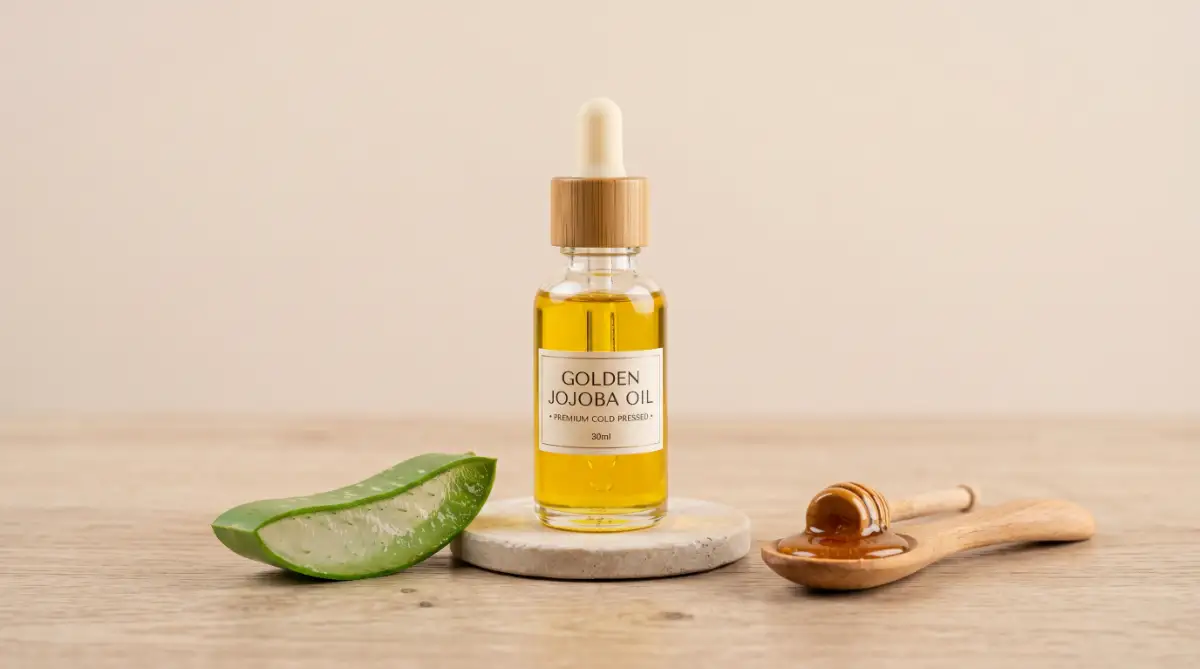
After applying your aloe vera gel, rub two drops of pure jojoba oil between your palms and gently press them onto your face. This creates a safe, natural shield that locks the hydration inside your skin all day long.
If your skin is so sensitive that even jojoba oil feels heavy, you should try squalane oil. Squalane is a super-lightweight, clear oil that is usually derived from olives.
It is completely odorless, non-greasy, and highly stable, meaning it will not irritate your skin. It sinks in almost instantly, smoothing out dry flakes and restoring the flexible feel of healthy skin.
Just use one or two drops of squalane oil as the final step of your simple morning and evening routine. This simple step will protect your skin from wind, dry indoor air, and daily pollution while it heals underneath.
Section 3: Advanced Practical Tips & Pro-level Secrets
Now that we have covered the basics of resetting your routine, we can look at some advanced ways to speed up your recovery. These are simple methods that experts use to help the skin rebuild its defenses much faster.
Use Cool Herbal Compresses to Stop Active Redness
When your skin is highly irritated, it feels hot to the touch. This heat is a clear sign of active inflammation under the surface of your skin.
You can use the natural power of green tea or chamomile tea to cool down this heat. Both of these plants are packed with natural antioxidants that calm swollen skin cells.
- Brew a cup of organic green tea or chamomile tea using filtered water.
- Let the tea cool down completely, then place it in the refrigerator for thirty minutes.
- Soak a clean, soft cotton pad in the cold tea and gently press it onto the red areas of your face.
Leave the cool pads on your skin for five to ten minutes. The cold temperature will immediately shrink dilated blood vessels, while the tea compounds will work to block the irritation pathways.
You can do this simple treatment once a day, preferably in the evening before you apply your natural oils. It is a highly effective way to stop the itchiness without using heavy medicated creams.
When a dermatologist friend first told me to use cold green tea on my face, I honestly found it so simple that I couldn't believe it would work.
But when the cold wet pad touched my hot, sensitive skin, the burning sensation subsided. That day I realized how powerful nature's simple solutions can be.
Feed Your Skin Barrier from the Inside Out
Many people forget that your skin is a living organ that grows from the inside. The food you put into your body is what your system uses to build new skin cells.
If you do not eat the right fats, your body cannot create the healthy lipids needed for your skin barrier. You must focus on eating foods that are rich in Omega-3 fatty acids and zinc.
- Avocados: These are packed with healthy monounsaturated fats that keep your skin flexible and moist.
- Walnuts and Flaxseeds: These are some of the best plant-based sources of Omega-3s, which actively reduce body-wide inflammation.
- Pumpkin Seeds: These seeds are highly rich in zinc, a mineral that your body uses to repair damaged tissues and grow new cells.
Try to avoid processed sugars and highly fried foods while your skin is healing. High sugar intake can cause inflammation spikes in your blood, which slows down your skin's natural repair cycle.
Instead, drink plenty of plain water throughout the day to keep your tissues hydrated. This simple shift in your diet will give your skin the raw materials it needs to build a stronger protective wall.
The Long-Term Maintenance Guide: How to Stay Safe
Once your skin stops burning and the redness fades, you might feel tempted to jump right back into your old skincare routine. This is where many people experience a sudden relapse.
Your new skin barrier is very young, thin, and delicate. It takes at least twenty-eight to forty-five days for your skin cells to fully renew and harden.
When you decide to add a new product back into your routine, introduce only one item at a time. Use it only twice a week at first, and monitor your skin closely for any signs of tightness or pinkness.
If your face reacts, stop using the product immediately and go back to your basic natural oils for three days. This cautious method keeps your skin safe while you slowly build up its tolerance.
Always perform a patch test on a small area of your neck or behind your ear before putting any new product on your face. This simple habit will save you from painful setbacks and keep your skin glowing for the long term.

Section 4: Common Mistakes to Avoid
When your face is irritated, it is easy to make quick decisions out of frustration. However, some common habits will actively destroy all the progress you have made.
Here are the five biggest mistakes you must avoid during your skin recovery journey.
Mistake 1: Scrubbing Away the Dry, Flaky Skin
Look, we've all been through that situation at one time or another. There may be an important meeting or family event ahead, and you may notice small dry flakes around the nose.
Then you want to rub them off. But I made that mistake myself and suffered a full week of bright red, sensitive skin as a result. So please leave them as they are.
When your skin barrier is healing, it often creates dry, flaky patches on your cheeks and around your mouth. Your first instinct might be to use a scrub or a washcloth to rub these flakes away.
Please do not do this. Those flakes are actually acting as a temporary shield to protect the baby skin cells growing underneath.
If you scrub them off too early, you expose the raw, unprotected skin before it is ready. This resets your healing progress back to day one and can lead to permanent dark marks or scarring.
Mistake 2: Changing Your Products Every Few Days
It is very common to feel impatient when your skin does not heal in forty-eight hours. You might feel tempted to throw away your oils and try a new "miracle" cream you saw online.
This constant switching is incredibly stressful for your face. Your skin needs stable, predictable conditions to rebuild its lipid wall.
Give your simple routine of honey, aloe, and jojoba oil at least three weeks to work. Consistency and patience are the true keys to rebuilding a healthy face.
Mistake 3: Using Natural Essential Oils on Irritated Skin
Just because an ingredient is natural does not mean it is safe for a broken skin barrier. Many people make the mistake of applying raw essential oils like lavender, peppermint, or tea tree oil to calm their face.
Essential oils are highly concentrated chemical compounds made by plants, and they are common triggers for severe skin allergies.
On a healthy skin barrier, they might be fine, but on a damaged barrier, they can cause a painful chemical burn.
Stick to bland, scent-free carrier oils like jojoba or squalane. These oils do not contain strong fragrance molecules that trigger your immune system.
Mistake 4: Taking Long, Hot Showers and Baths
We all love a hot shower at the end of a long day, but hot steam is highly damaging to your skin. The high heat melts the protective wax and natural fats right out of your skin barrier.
It is like washing a greasy plate with hot water; the oil just slides off. When you shower, keep the water temperature warm or lukewarm, and keep your face out of the direct spray of the showerhead.
Limit your shower time to ten minutes to prevent your skin from dry-out. Gently pat your face dry with a clean towel instead of rubbing it.
Mistake 5: Skipping Daily Sun Protection
When your skin barrier is broken, it loses its natural ability to defend itself against ultraviolet (UV) rays from the sun. If you go outside without protection, the sun will damage your weak skin cells and trigger more redness.
However, many chemical sunscreens can cause a burning sensation on sensitive skin.
Use a gentle physical sunscreen that contains only zinc oxide or titanium dioxide. These ingredients sit on top of your skin like tiny mirrors to bounce the sun's rays away, without sinking in or causing heat.
If you cannot find a suitable mineral sunscreen, wear a wide-brimmed hat and seek shade whenever you are outdoors. Protecting your healing face from the sun is an absolute necessity for preventing long-term pigmentation.
Section 5: Final Conclusion & Actionable Takeaways
Healing your skin barrier does not require expensive treatments or complex chemical products. By listening to your body and using simple, natural ingredients, you can guide your skin back to a state of perfect balance.
Remember, your skin is a highly smart, self-healing organ. It wants to heal, and it knows how to do it; you just have to give it the right environment and stop irritating it.
Be patient with your progress and celebrate the small wins, like a day without itching or a morning without redness. Your face will thank you for taking the gentle, natural path.
Your skin didn't lose its strength overnight, so don't expect everything to be back to normal tomorrow morning.
Be patient, be kind to your body, and always remember—an occasional pimple, rash, or a little redness never defines your worth or beauty.
Your Action Plan for Today:
- Simplify: Put away all active acids, scrubs, and strong anti-aging products.
- Cleanse: Wash your face with lukewarm water or a teaspoon of raw organic honey.
- Hydrate: Apply a thin, soothing layer of pure aloe vera gel to damp skin.
- Seal: Lock in that moisture with two drops of organic jojoba or squalane oil.
- Eat Well: Add some walnuts, avocados, or pumpkin seeds to your next meal to support your skin from the inside.
You have the power to transform your skin health starting right now. Take a deep breath, trust the natural process, and let your skin heal at its own beautiful pace.
It might feel like your skin is broken forever, but I promise you it’s not. My own face went from burning and peeling to feeling soft and strong again just by following these simple, natural steps.
Start tonight by doing less, and soon you'll wake up feeling comfortable in your own skin once more.
Disclaimer:
The information in this article is for educational purposes and is based on my own personal journey and research. I am not a doctor or a dermatologist. What worked for me might not work for everyone because every skin type is different. Please talk to a medical professional before starting any new skincare routine. Always do a patch test on a small area of your skin before trying any new ingredient to avoid a bad reaction.

![Why You Always Feel Tired at 3 PM [The Real Secret]](https://nexvoramag.com/storage/uploads/blogs/1787859774_why-you-always-feel-tired-at-3-pm-the-real-secret.webp)