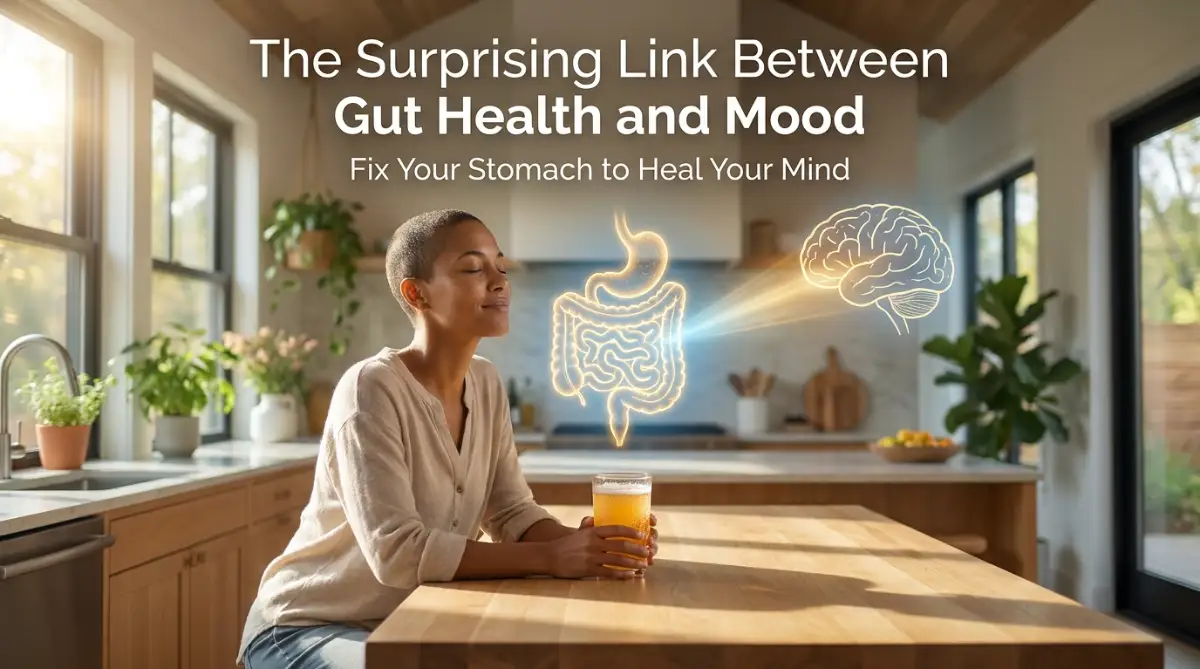
The Hidden War Inside My Stomach and Mind
I used to wake up every morning feeling like a heavy gray cloud was sitting on my chest. For years, I thought I was just an anxious person by nature. I tried every mental trick in the book, from breathing exercises to meditation, but nothing seemed to stick.
My mind felt foggy, and my mood would drop for no reason at all. It was only when I started noticing how my stomach felt after certain meals that the lightbulb finally went off. I realized that my constant bloating and "nervous stomach" weren't just side effects of my anxiety; they were likely the cause of it.
Many people spend their whole lives fighting a battle with their emotions without ever looking at what they eat. You might feel tired, irritable, or even hopeless, and you blame your job, your relationships, or your genes. But what if the real problem is living deep inside your digestive system?
This is a reality for millions of people who struggle with "brain fog" and mood swings every single day. It ruins your focus at work and makes it hard to enjoy time with your family. You feel like you are losing control of your own happiness, and that is a scary place to be.
When your gut is out of balance, your whole world feels off. It is not just about a stomach ache or some gas. It is about that constant feeling of "not being yourself."
You might find yourself snapping at people you love or feeling too drained to get out of bed on the weekend. This struggle is real, and it is exhausting to keep up a "happy face" when your body is sending distress signals from the inside.
Why Your Brain and Belly are Best Friends
Did you know your gut is often called your "second brain"? This is not just a fancy saying; it is a scientific fact. Your gut and your brain are connected by a massive nerve called the Vagus nerve.
Think of this nerve like a high-speed internet cable that sends messages back and forth 24/7. If your gut is unhappy, it sends "emergency" signals to your brain, which shows up as stress or bad moods.
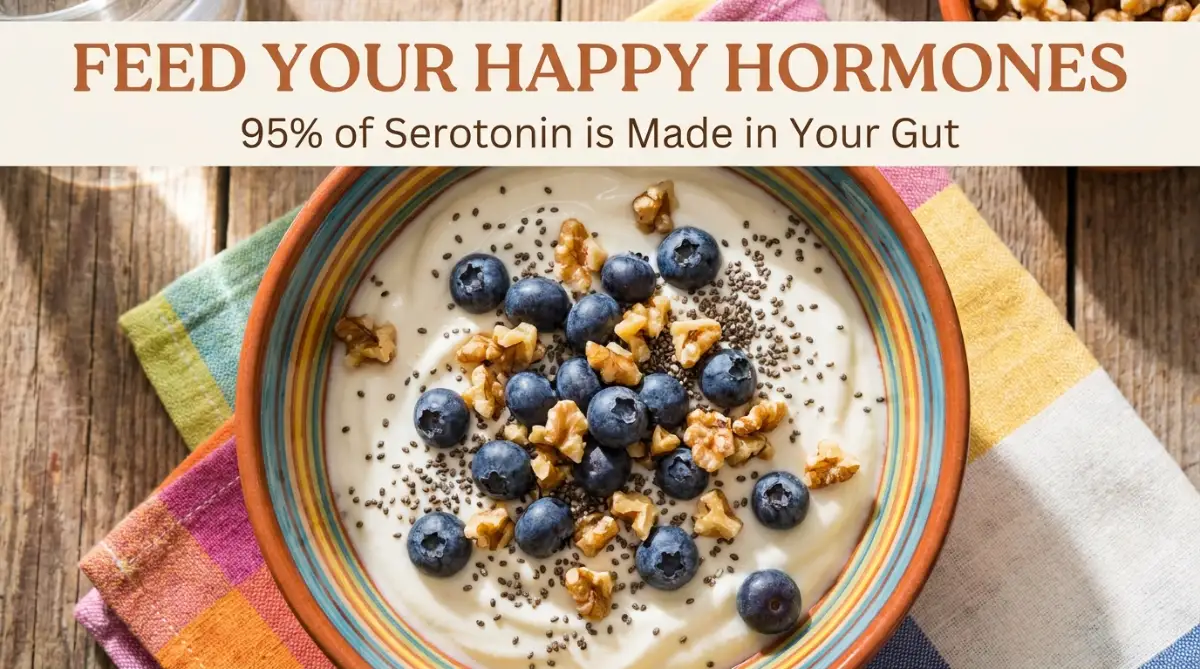
Most of us think that happiness comes only from our heads. However, about 95% of your serotonin—the chemical that makes you feel happy and calm—is actually made in your gut.
If your gut lining is damaged or your "good" bacteria are outnumbered, your body cannot produce enough of this happy chemical. This is why you can have a "perfect" life on the outside but still feel miserable on the inside.
The Truth About Your Gut Microbes and Stress
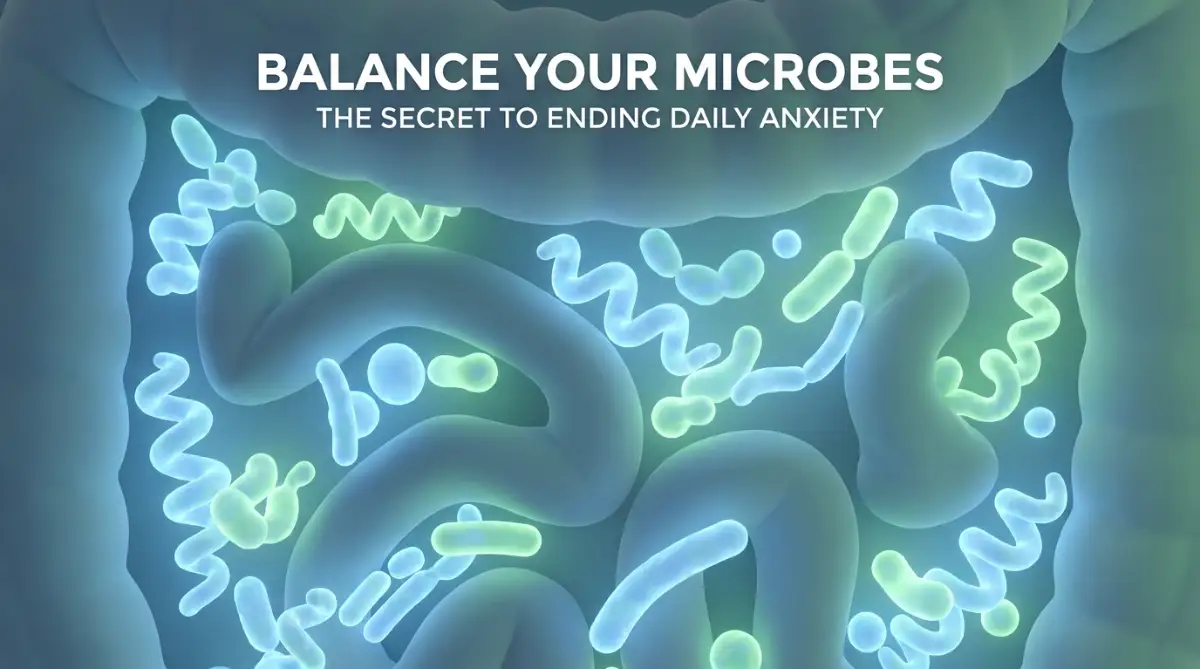
Inside your stomach, there are trillions of tiny living things called bacteria. Some are good, and some are bad. When the bad guys take over, they release toxins that can leak into your blood. This causes inflammation, and scientists now believe that inflammation is a leading cause of feeling down or anxious.
Myth vs. Reality: The Gut Edition
Simple Steps to Reset Your Gut and Reclaim Your Joy
You don't need expensive supplements or a doctor's degree to start feeling better. You can begin shifting your mood right from your kitchen. The goal is to stop feeding the "bad" bacteria and start cheering on the "good" ones.
Step 1: Break Up with Processed Sugars
Sugar is the favorite food of the bacteria that make you feel bloated and grumpy. When you eat high-sugar snacks, you get a quick high followed by a massive crash. This crash is not just physical; it is emotional.
I noticed that on days I ate sugary cereal, my anxiety was twice as bad by lunchtime. Try swapping that sugary snack for a handful of almonds or a piece of fruit. Your brain will thank you for the steady energy.
Step 2: Bring on the Fermented Foods
Think of fermented foods like an army of happy mood boosters. Foods like plain Greek yogurt, kefir, sauerkraut, and kimchi are packed with live probiotics. These "good" bugs go straight to work, cleaning up your gut and helping you make more serotonin.
Pro Tip from My Experience:
I used to hate the taste of fermented things, but I started adding just one spoonful of sauerkraut to my dinner every night. Within two weeks, I realized I wasn't reaching for my "emergency" coffee at 3 PM anymore. My head felt clearer, and I didn't feel that random sense of dread in the evening. Small changes really do add up to big wins for your mental health.
Step 3: Feed the Good Guys with Fiber
Bacteria need to eat, too! They love fiber from vegetables, beans, and whole grains. This type of food acts as a "prebiotic." It helps the good bacteria grow strong so they can protect your mood. If you aren't used to eating a lot of fiber, start slowly to avoid gas. A simple bowl of oatmeal or a side of steamed broccoli can make a huge difference over time.
Watch This to Understand the Gut-Brain Connection Better
If you want to see exactly how your stomach talks to your brain through the Vagus nerve, this short video explains the science in a very simple way. It really helped me visualize what was happening inside my body!
The Role of Hydration in Mental Clarity
We often forget that our gut needs water to move things along. If you are dehydrated, your digestion slows down, and toxins stay in your body longer. This can lead to a "heavy" feeling and low motivation. I make it a rule to drink a full glass of water before my morning tea or coffee. It flushes out the system and wakes up the brain.
Common Signs Your Gut is Messing with Your Mood:
- You feel "hangry" (hungry and angry) very easily.
- You have trouble focusing on a single task for more than 10 minutes.
- You crave sugar or bread constantly.
- You feel tired even after sleeping 8 hours.
- You deal with regular bloating or stomach pain.
Why Stress is a Two-Way Street
It is important to remember that while your gut affects your mood, your mood also affects your gut. Have you ever felt "butter flies" in your stomach before a big speech? That is your brain talking to your gut.
When you are stressed, your body slows down digestion to save energy. This is why chronic stress leads to gut problems, which then lead to more stress!
To break this cycle, you have to attack the problem from both sides. Eat well to help your gut, and take a few minutes of quiet time to help your brain. Even five minutes of sitting quietly without your phone can tell your gut that it is safe to start digesting properly again.
The Power of "Real" Food
In our fast world, we eat a lot of things that come in boxes or plastic wraps. These "foods" often contain chemicals that our gut bacteria don't recognize. When your gut encounters these weird ingredients, it goes into "defense mode," causing inflammation.
Stick to things that look like they came from the earth. A potato, an apple, a piece of chicken, or a bowl of rice. These are simple for your body to process. When your body isn't working overtime just to digest "fake" food, it can spend that energy on making you feel happy and focused.
Listen to Your Body's Whispers
Your body is always talking to you. That mid-afternoon headache or that feeling of being "on edge" are whispers from your gut. Most people wait until their body "screams" with a major illness before they listen. By paying attention to how food makes you feel right now, you can stop those screams before they start.
I started keeping a small notebook next to my bed. I would write down one thing I ate and how I felt two hours later. It didn't take long to see the patterns. For me, heavy dairy made me feel sleepy and sad. For you, it might be something else. We are all different, and your gut is as unique as your fingerprint.
Moving Forward with Hope
The best part about the gut-health link is that it gives you back the power. You are not stuck with a "bad mood" forever. You have a physical tool—your diet—that can help change how you feel. It takes time for the bacteria to shift, but you can start the process with your very next meal.
Imagine waking up and actually feeling excited for the day. Imagine having the energy to play with your kids or finish that project you've been putting off. This isn't just a dream; it's what happens when your "two brains" are finally working together. You deserve to feel good, and it all starts from within.
Taking Control: Expert Ways to Keep Your Gut and Mind in Sync
Healing your gut isn't a one-time event. It is a daily practice that becomes easier as you start to feel the fog lift from your brain. If you want to keep those mood swings away for good, you need to think about more than just what is on your plate. You need to think about how you live your life.
One of the most effective things I ever did was start practicing mindful eating. Most of us eat while scrolling through our phones or watching TV. When we do this, our brain doesn't properly signal the gut to start producing digestive enzymes. This leads to poor digestion and that heavy, "blah" feeling after a meal.
Try sitting down without any distractions for at least one meal a day. Take a moment to actually look at your food and smell it. This simple act tells your nervous system to relax.
When you are relaxed, your body can focus on making those happy chemicals like serotonin. This is a big part of 7 secrets to stop emotional eating and finally enjoy your food which helps you build a better relationship with your meals.
The Secret Power of the Vagus Nerve
I mentioned the Vagus nerve earlier, but we need to talk about how to actually "wake it up." Think of this nerve as a muscle that needs exercise. You can actually tone your Vagus nerve to help your gut and brain communicate better. Simple things like splashing cold water on your face or singing loudly in the shower can stimulate this nerve.
These small physical actions send a signal to your brain that everything is okay. It shuts off the "fight or flight" mode that causes so much anxiety. When your Vagus nerve is strong, your gut stays calm even when life gets stressful. I found that doing some light deep breathing before I eat made a world of difference in how my stomach felt afterward.
It is also important to remember that your gut works on a schedule. If you eat at random times every day, your gut bacteria get confused. They have their own internal clock, just like you do.
Try to eat your meals around the same time each day to help your "good" bacteria stay in a healthy rhythm. This consistency is just as important as why your morning routine never sticks because your body loves predictable habits.
Giving Your Digestive System a Rest
Sometimes, the best thing you can do for your gut is to leave it alone. Constant snacking means your digestive system never gets a break. This can lead to a buildup of "bad" bacteria because the gut doesn't have time to do its "housekeeping" cycles. Scientists call this the Migrating Motor Complex, and it only happens when you aren't eating.
I started leaving at least 12 hours between my last meal of the day and my first meal the next morning. This isn't about losing weight; it is about giving my gut time to clean itself out. My morning brain fog almost disappeared once I gave my stomach this nightly rest. It allows your body to focus its energy on repair instead of constant digestion.
Research published by the National Institutes of Health shows that giving your gut a rest period can significantly improve the diversity of your microbiome. A diverse gut is a resilient gut. This means you won't be as easily affected by a stressful day or a poor meal choice. You are building a shield for your mental health.
The Connection Between Movement and Mood
We often think of exercise as something for our heart or our muscles. But moving your body also moves your gut. Light exercise like walking or yoga helps push food through your system. This prevents things from sitting too long and fermenting in a bad way.
I noticed that if I sat at my desk all day, my mood would slowly sink. But a simple 15-minute walk after lunch changed everything. It felt like I was literally "walking off" my stress. This is why mastering your mind and staying calm often starts with simple physical movement.
Don't feel like you have to go to the gym for hours. Just keep your body active throughout the day. Your gut bacteria actually change based on how much you move. Active people tend to have more "good" bacteria that help regulate mood and energy. It is one of the easiest ways to support your mental health for free.
Deadly Mistakes That Ruin Your Progress
When I first started my journey to better gut health, I made a lot of mistakes. I thought I could just take a pill and keep eating junk. That is like trying to put out a fire while pouring gasoline on it. One of the biggest traps people fall into is relying too much on probiotic supplements.
Supplements can help, but they aren't a magic fix. If your diet is still full of processed foods, the good bacteria in the pill won't survive for long. You have to create a "garden" where they can actually grow. This means eating real fibers and whole foods every single day.
Another mistake is over-sanitizing your life. We are taught that all bacteria are germs that need to be killed. But being too clean can actually hurt your gut diversity. I stopped using harsh antibacterial soaps for everything and started spending more time outdoors. Getting a little bit of "nature" on your hands can actually introduce helpful microbes to your system.
The Danger of Ignoring Your Stress Levels
You can eat the perfect diet, but if you are constantly stressed, your gut will stay inflamed. High stress levels literally "leak" your gut lining. This allows toxins to enter your blood, which leads straight to brain fog and sadness. I learned that I had to manage my mind just as much as my meals.
If you are always on edge, your gut will never be fully healthy. You might find yourself searching for answers in all the wrong places. This is why it is so important to learn how to tell if a health or wellness website is reliable before you follow random advice online. There are many myths out there that can lead you down a dangerous path.
Many people also make the mistake of using antibiotics for every little sniffle. While antibiotics are sometimes needed to save lives, they are like a "bomb" for your gut. They kill the bad bacteria, but they also kill all the good ones that keep you happy. Always talk to a professional and ask if an antibiotic is truly necessary for your specific situation.
Why Sleep is the Ultimate Gut Healer
If you aren't sleeping, your gut cannot heal. It is as simple as that. Your gut bacteria have a "circadian rhythm" just like you do. When you stay up late looking at blue light, you confuse the microbes that help regulate your mood. I struggled for a long time with feeling exhausted even after a full night's rest.
I finally realized that the quality of my sleep was being ruined by my late-night snacking and screen time. If you find yourself in a similar spot, check out why you are still tired after 8 hours of sleep to see what might be going wrong. Fixing your sleep is one of the fastest ways to improve your gut health and your mood at the same time.
Try to make your bedroom a "phone-free" zone. The blue light from your device tells your brain it is daytime, which stops the production of melatonin. Since melatonin and serotonin are closely linked, this mess up your whole mood cycle. Using 7 daily habits to transform your sleep can give your gut the quiet time it needs to repair itself.
Your Roadmap to a Happier You
Starting this journey might feel overwhelming, but you don't have to change everything at once. Pick one thing today. Maybe you decide to drink more water, or maybe you choose to eat one serving of yogurt. These small wins build up over time until one day you realize the "gray cloud" is gone.
Your body wants to be healthy. Your gut wants to support your brain. You just have to give it the right tools to do its job. Be patient with yourself, because your microbiome takes a few weeks to truly shift. But once it does, the mental clarity and emotional stability you feel will be worth every bit of effort.
I truly believe that the kitchen is the best place to start healing your mind. When I look back at how I used to feel, I am so grateful that I stopped looking for "miracle cures" and started looking at my plate. My life changed because I finally understood that my stomach and my brain were on the same team. I hope you take that first step today, because a happier version of you is waiting just a few meals away.
Common Questions About Gut Health and Mood
Can a bad gut really cause clinical anxiety?
Yes, scientific studies from places like the Mayo Clinic have shown that gut inflammation can trigger signals in the brain that mimic anxiety and depression. When the gut is irritated, it keeps the body in a state of high alert, making it very hard to feel calm or relaxed.
How long does it take to see a difference in my mood?
While everyone is different, most people start to notice a change in their energy levels and mental clarity within 2 to 4 weeks of consistent dietary changes. Your gut bacteria can change quite quickly, but it takes a little longer for your brain chemicals to balance out completely.
Do I need to take expensive probiotics to feel better?
Not necessarily. While some high-quality supplements can be helpful, you can get most of what you need from fermented foods like kefir, yogurt, and sauerkraut. Real food is often better because it contains other nutrients that help the probiotics survive and work better in your system.
What is the best "mood-boosting" breakfast?
A great choice would be something like overnight oats with chia seeds, walnuts, and blueberries, or a bowl of Greek yogurt. These options provide fiber for your bacteria and healthy fats for your brain, giving you steady energy without the sugar crash that ruins your mood by noon.
Disclaimer: This article is for informational purposes only and does not constitute medical advice. Always consult with a qualified healthcare professional or doctor before making significant changes to your diet, lifestyle, or if you are experiencing severe mental health symptoms. This content is not intended to be a substitute for professional medical diagnosis or treatment.
A Personal Note from the Author:
I spent years feeling like my own mind was working against me, only to find that the answer was hidden in my digestion. You have more power over your happiness than you think, and it starts with how you treat your body today. I truly hope you give yourself the chance to feel the peace that comes with a healthy, balanced gut.
![Why You Always Feel Tired at 3 PM [The Real Secret]](https://nexvoramag.com/storage/uploads/blogs/1787859774_why-you-always-feel-tired-at-3-pm-the-real-secret.webp)