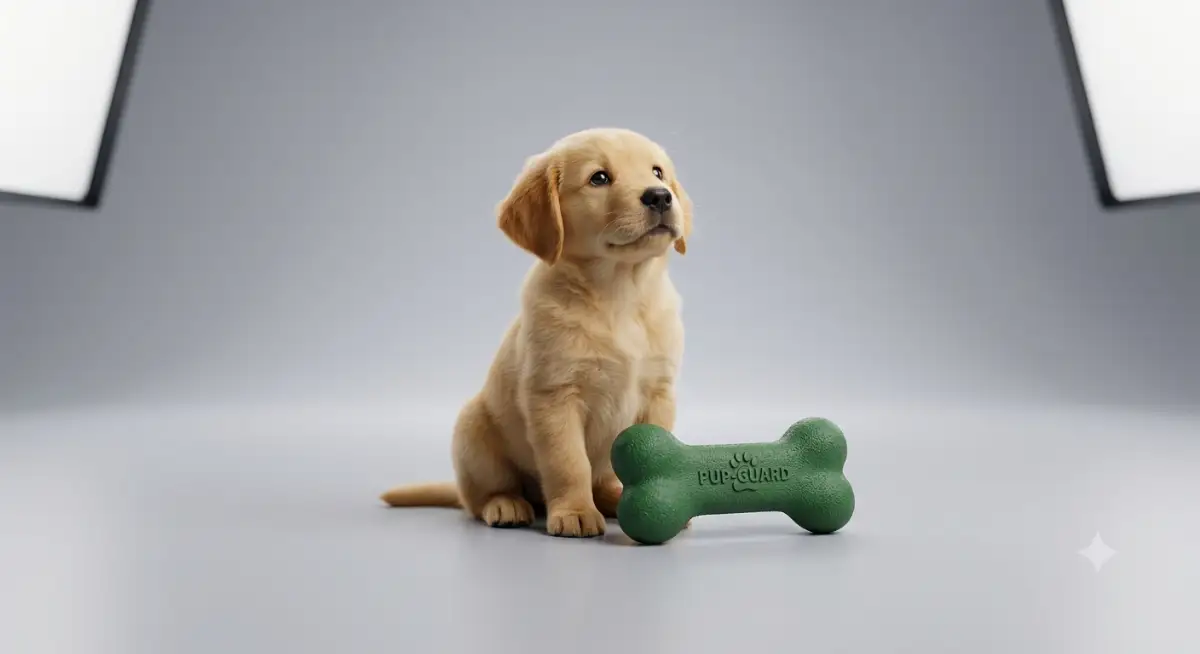
The Daily Struggle with a "Land Shark" in Your Home
Let’s be honest: those tiny puppy teeth feel like needles. I know exactly how it feels to want to play with your new friend but end up hiding your hands in your pockets just to stay safe. If you are tired of bleeding fingers and ruined jeans, don't worry.
Your dog isn't "bad"—they just don't have a mute button for their mouth yet. I'm going to show you how to turn those painful nips into gentle licks without losing your mind.
Bringing a new puppy home should be a time of joy and cuddles. But for many, it quickly turns into a painful cycle of nipping and biting. Those tiny, needle-sharp teeth seem to find your fingers, toes, and favorite clothes every single second.
You might feel like you are living with a "land shark" rather than a furry friend. Every time you reach down to pet them, you get a sharp snap instead of a lick.
It makes you want to pull away, which often makes the puppy chase you even more. This constant biting can turn a relaxing evening into a stressful battle.
You love your puppy, but the physical pain and ruined items are starting to take a toll on your patience. It is hard to bond when you are constantly afraid of being bitten.
Understanding the Science of Puppy Mouthiness
To solve the problem, we must understand that puppies explore the world with their mouths. It is how they learn about textures and boundaries. In a litter, puppies bite each other constantly.
When one puppy bites too hard, the other puppy yelps and stops playing. This is called bite inhibition. It is the most important lesson a dog can learn.
Our goal is not just to stop the biting. We want to teach the puppy that human skin is very sensitive. We want them to learn how to control the pressure of their jaw.
This process requires a lot of empathy. Your puppy is not trying to hurt you; they are just trying to communicate in the only way they know how. By staying calm and following a plan, you can guide them toward better behavior.
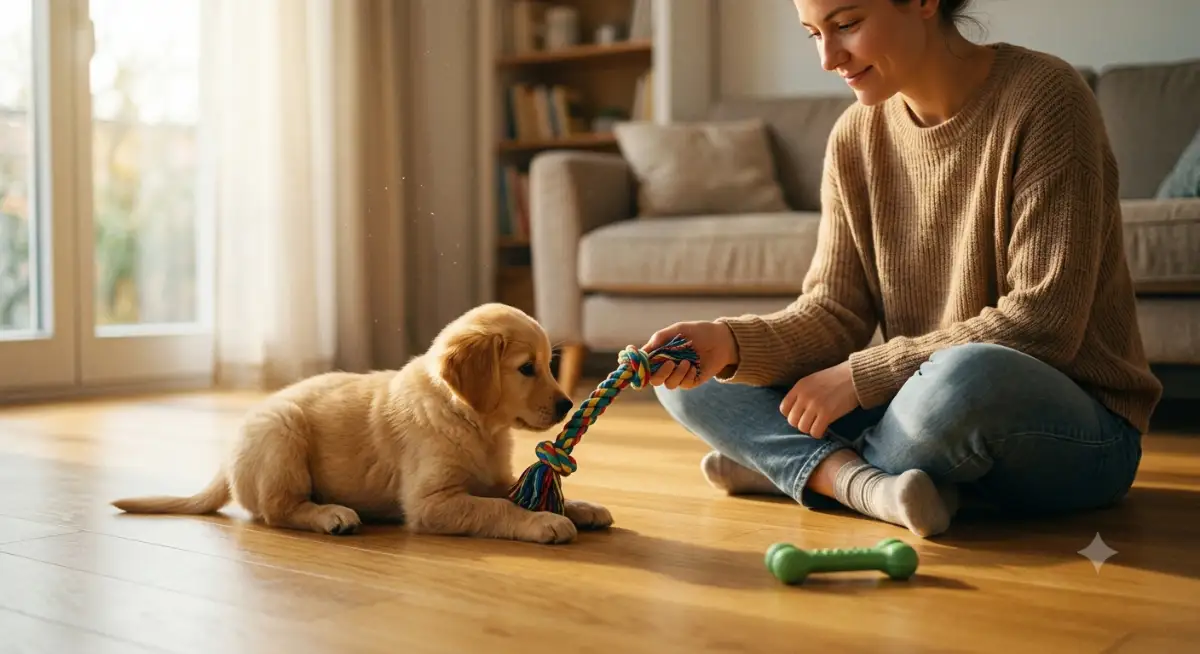
⚡ Quick Fix: Stop the Bites Now
If you are in a rush, here are the top 4 things to do today:
- The "Ouch" Rule: Every single time teeth touch skin, make a sharp "Ouch" sound and stop playing for 20 seconds.
- Be a Statue: Never pull your hands away fast. Movement makes the puppy think you are a squeaky toy. Stay still.
- Nap Time: If your puppy is acting like a "shark," he is probably tired. Put him in his crate for a 1-hour nap.
- Swap it: Always have a toy in your pocket. If he goes for your ankle, shove the toy in his mouth instead.
Step 1: Teaching "Bite Inhibition" Through Feedback
The first step is to let your puppy know when they have crossed the line. Since they learned from their siblings by yelping, we can use a similar method.
When you are playing and your puppy nips your hand, let out a high-pitched "Ouch!" or "Yip!" Make sure the sound is sharp but not scary. Immediately after the sound, stop all interaction.
Take your hands away and look away for about ten to twenty seconds. This teaches the puppy that "Biting equals the end of the fun." If they nip again as soon as you start playing, stand up and walk away.
You can even step behind a baby gate or into another room. This is a "social time-out." Puppies crave your attention more than anything. By removing your presence, you are using the most powerful tool you have. Do this every single time they nip too hard.
Consistency is the secret here. If you yelp sometimes but laugh at other times, the puppy will never learn. Everyone in the house must use the same "Ouch" feedback.
I used to make a big mistake by pulling my hands away quickly whenever my puppy nipped. I didn't realize that to a puppy, fast movement looks like a fun game of chase!
My best tip is to try and keep your hands very still like a statue when they bite, as it makes you look much less exciting to play with.
Want to see these training steps in action? Watch this short video to see exactly how to react when your puppy nips so you can stop the pain and start bonding for good!
Step 2: The Power of Redirection—Trading Hands for Toys
Puppies have a natural biological need to chew. This is especially true when they are losing their baby teeth. We cannot stop the chewing, but we can change what they chew.
Always keep a high-quality chew toy within reach. If you see your puppy coming toward your feet or hands, offer the toy first. If they do grab your hand, use your "Ouch" command and then immediately place a toy in their mouth.
When they start chewing the toy, praise them calmly. You want to show them that "Human skin is boring, but toys are rewarding." You can use different textures like rubber, plush, or rope to keep them interested.
🦷 The "Right Toy" Cheat Sheet
Not all toys are the same when those gums are sore. Try these based on your puppy's mood:
- The "Cranky" Puppy: Use a rubber KONG stuffed with wet food. It keeps their brain busy and their mouth occupied.
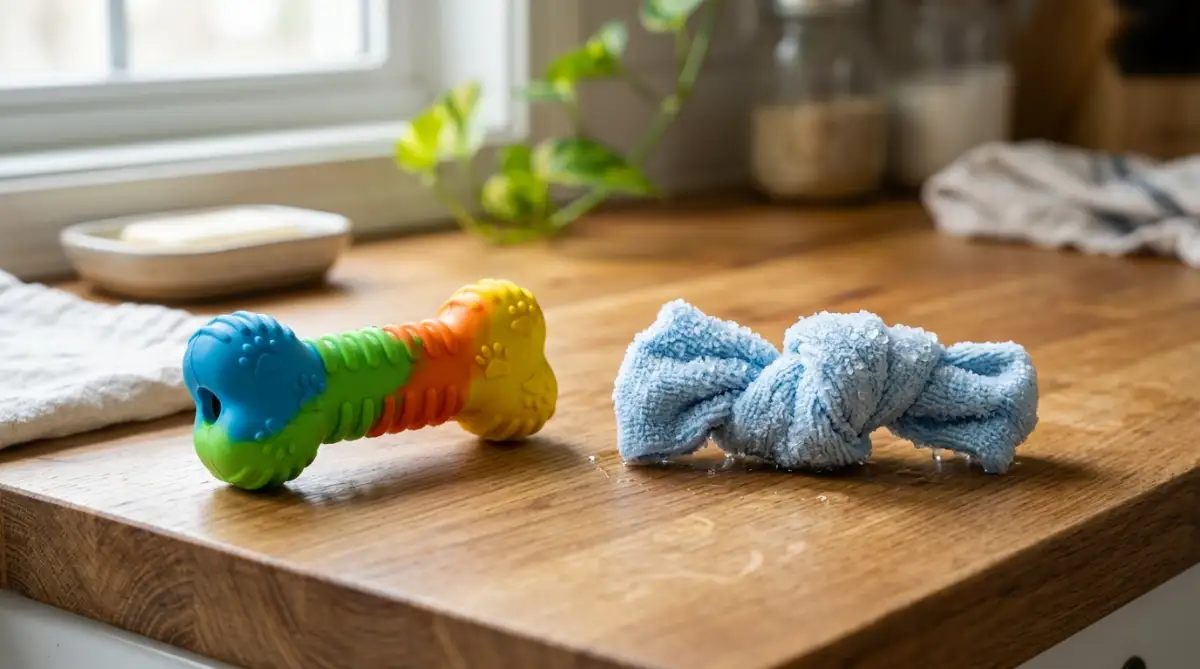
- The "Teething" Puppy: Take a clean washcloth, wet it, twist it into a rope, and freeze it. The cold numbs their gums instantly.
- The "Hyper" Puppy: Use a long rope toy or a flirt pole. This keeps their teeth far away from your skin while they burn off energy.
Pro Tip: If your puppy is teething, try putting a wet washcloth or a rubber toy in the freezer. The cold helps numb their sore gums, which reduces the urge to bite your cold fingers.
Avoid moving your hands quickly away like a bird. This triggers the puppy's prey drive. They will want to chase and catch your hand. Keep your movements slow and steady.
Step 3: Managing Overstimulation and Enforcing Rest
Did you know that many puppies bite because they are actually exhausted? Just like human toddlers, puppies get "cranky" when they need a nap.
A puppy needs between 18 to 20 hours of sleep per day. When they get too much activity, their brain gets overwhelmed. They lose the ability to control their impulses. If your puppy is running around wildly (the "zoomies") and biting everything, they probably need a break.
This is not the time for more training; it is time for a forced nap. Gently lead them to their crate or a quiet playpen with a safe chew toy. Do not do this as a punishment. Do it as a "calm down" session.
Often, the puppy will fall asleep within minutes of being put in a quiet spot. Setting up a predictable schedule for naps will stop the biting before it even starts. Watch for the signs of a tired puppy. These include glazed eyes, frantic running, and harder-than-usual biting.
When you see these, it is time to end the play session. By managing their energy, you are setting them up for success. A well-rested puppy is a much better student than one that is struggling to stay awake.
We will continue with more advanced techniques and troubleshooting in the next part of this guide. Remember, patience is your best friend during this stage of puppyhood.
Helping Your Puppy Master Self-Control and Calmness
Now that you know the basics of yelping and redirection, it is time to look at some expert secrets. These methods go beyond just stopping a single bite.
They help your puppy understand how to control their own energy. When a puppy learns self-control, they become much easier to manage in every part of life.
You are not just stopping a nip; you are building a smarter, calmer dog. Let’s look at the next level of training.
The "Leave It" Game: Training Your Puppy’s Brain
One of the best ways to stop biting is to teach your puppy that not touching something is rewarding. This is called the "Leave It" command. It sounds simple, but it changes how your puppy thinks.
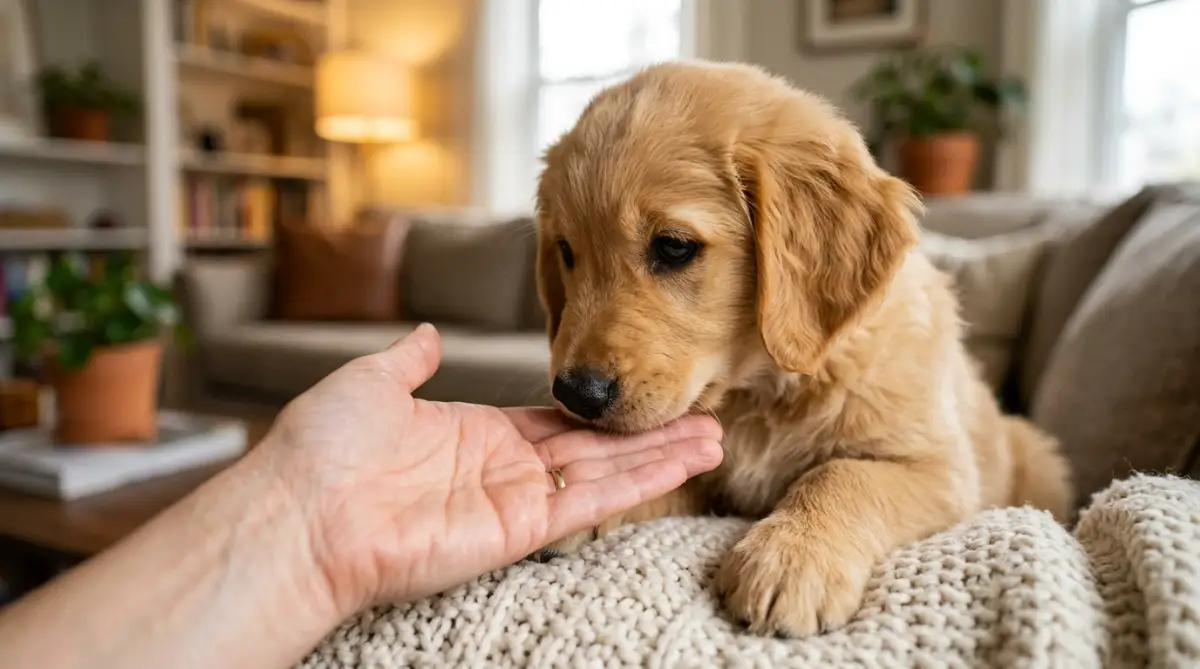
Start with a piece of food in your closed fist. Your puppy will likely sniff, lick, and maybe even nip at your hand to get the treat. Do not move your hand. Stay completely still. The moment your puppy stops nipping and pulls their head back even an inch, say "Yes!" and give them a different treat from your other hand.
You are teaching them that ignoring your hand leads to a reward. Once they get good at this, try it with an open palm. If they reach for it, close your hand. When they look away, reward them. Eventually, you can do this with your moving fingers.
This game builds a mental "stop button" in your puppy. Instead of acting on every impulse to bite, they will start to look at you for permission. This is a huge win for your hands and your sanity.
Capturing the Calm: Rewarding the Silence
Most owners only talk to their puppy when the puppy is doing something wrong. We shout "No" or "Stop" when they bite. But what do we do when they are sitting quietly at our feet?
Usually, we do nothing because we are happy they are finally being quiet. This is a mistake. We need to reward the behavior we want to see more of.
Keep a small bag of treats in your pocket throughout the day. If you see your puppy lying down calmly or playing with a toy by themselves, walk over and quietly drop a treat.
Do not make a big deal out of it. Just let them know that being calm is a great way to get treats. Over time, your puppy will choose to lie down quietly instead of jumping up to nip your hands.
This technique is very powerful because it changes the "vibe" of your home. You move away from constant correction and toward positive reinforcement. Your puppy will start looking for ways to be "good" just to see if a treat appears.
Socializing with Adult Dogs: The Best Teachers
Sometimes, humans are not the best teachers for puppy biting. Adult dogs are. A well-balanced adult dog has no patience for a rude puppy who bites too hard.
If you have a friend with a friendly, vaccinated adult dog, set up a playdate. When the puppy bites the older dog's ear too hard, the adult dog will give a sharp, loud correction.
This correction usually looks like a quick bark or a "snap" in the air. It might look scary to you, but it is dog language for "knock it off."
The puppy will usually flip on their back or run away for a second. Then, they will come back and play much more gently. They respect the older dog's boundaries more than they respect ours at first.
These social lessons are priceless. They teach the puppy "dog etiquette" that humans just can't mimic perfectly. Just make sure the adult dog is gentle and likes puppies before you try this.
Building a Long-Term Success Plan
Training your puppy is a marathon, not a sprint. You might have a great day where they don't bite at all, followed by a day where they seem to forget everything. This is normal.
To keep the results going, you must stay 100% consistent. If you allow biting when you are wearing thick gloves but get mad when you have bare hands, the puppy stays confused.
The rules must be the same for everyone in the family. Sit down together and agree on the words and actions you will use. If everyone follows the same plan, the puppy will learn twice as fast.
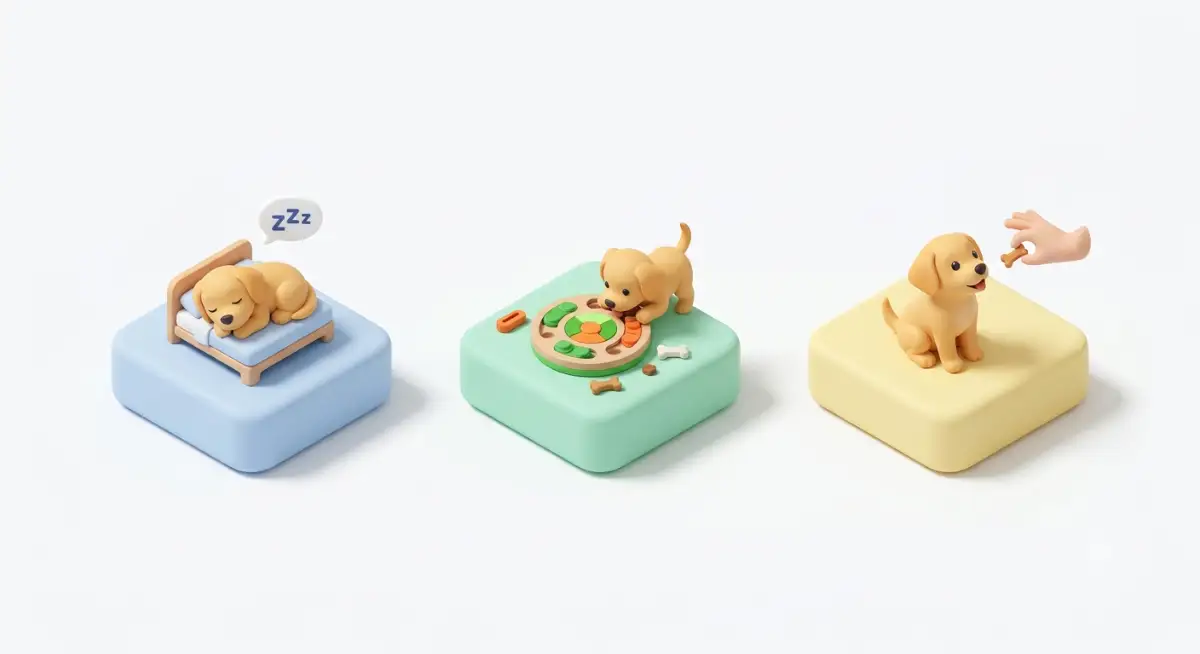
Also, make sure your puppy is getting enough mental stimulation. A bored puppy is a biting puppy. Use puzzle toys, hide treats around the room, or teach them a new trick like "spin" or "shake."
When their brain is tired from learning, they don't have the energy to be a "land shark." A mix of physical play, mental puzzles, and clear boundaries is the secret recipe for a perfect dog.
Dangerous Mistakes That Make Biting Worse
Even with the best intentions, many owners fall into traps that actually encourage their puppy to bite more. Let’s look at the most common errors.
- Holding the Muzzle Shut: Some people suggest grabbing the puppy's nose and holding it shut. This is a terrible idea. It is painful, scary, and can make your puppy aggressive toward hands.
- Squealing Too Loudly: While a sharp "Ouch" works for many, some puppies see a loud, high-pitched scream as a "squeaky toy" sound. This makes them more excited and bite harder. If your puppy gets more hyper when you yelp, stop doing it and just walk away silently.
- Playing with "Hand-to-Mouth" Games: If you wiggle your fingers in your puppy's face to get them to play, you are asking to be bitten. You are literally treating your hand like a toy. Always use a long toy so there is space between your skin and their teeth.
- Physical Discipline: Tapping the puppy on the nose or rolling them on their back (the "alpha roll") creates fear. A fearful puppy is much more likely to bite out of self-defense as they get older.
- Inconsistent Corrections: If you let the puppy nip your toes because it "doesn't hurt that much," you are teaching them that biting feet is okay. You must stop every single nip, regardless of how much it hurts.
The Consequences of Ignoring These Errors
If you don't fix these mistakes now, you are looking at a much bigger problem later. A ten-pound puppy biting is annoying. An eighty-pound adult dog biting is dangerous and a legal liability.
Puppies who don't learn bite inhibition can grow up to be dogs that bite when they are stressed, tired, or surprised. This can lead to expensive vet bills, lawsuits, or even losing your pet.
By avoiding these pitfalls, you are protecting your puppy's future. You are ensuring they can be around children, strangers, and other animals without any fear. Training now saves you from heartbreak later.
A Future of Gentle Licks and Happy Days
Teaching a puppy to stop biting takes time, but it is one of the most rewarding things you will ever do. Imagine a day where you can reach down to pet your dog and they respond with a gentle nuzzle or a happy tail wag.
That future is completely possible if you start today. Don't get discouraged by the "shark" phase. Every time you redirect them to a toy or reward their calm behavior, you are molding their personality.
You have all the tools you need now. You know how to provide feedback, how to manage their energy, and how to avoid the big mistakes. Your puppy wants to please you; they just need you to show them the way.
Stay patient, stay calm, and keep those treats ready. Before you know it, those sharp puppy teeth will be a distant memory. You will have a loyal, gentle companion by your side for years to come.
🛑 Puppy Biting: Myths vs. Reality
Looking back, that "land shark" phase was just a short part of my dog's life, and I'm so glad I didn't give up. It takes some time and a lot of patience, but I promise the bond you build right now is worth every bit of work.
Start using these steps today, and soon you'll have the calm, loving best friend you’ve always wanted by your side.
Disclaimer:
I am sharing these tips based on my own experience and research to help you with your new puppy, but I am not a professional dog trainer or a vet. Every dog is different, so what worked for me might need a little change for your pet. Please talk to a professional trainer if your puppy seems very aggressive or if you are worried about their behavior.