
Stop ignoring that three-digit number on your screen. I know it’s scary—for a long time, I wouldn't even look at mine. But here is the truth: your credit score is basically a "price tag" for your life.
If it’s low, everything you buy costs you more. If it’s high, you win. Let’s fix yours today without the boring bank talk or expensive "experts."
I remember the sinking feeling in my gut when I applied for my first car loan and got a "no" simply because of a number I hadn't even looked at in years.
I felt like I had failed a test I didn't even know I was taking, and it was embarrassing to realize that my hard work didn't matter as much as that three-digit score on a screen.
That rejection was my wake-up call to finally take control of my money.
💡 The "Cheat Sheet" for a Better Score
- The 30% Rule: Keep your credit card spending under 30% of your limit to look like a pro to banks.
- Auto-Pay Everything: Even one payment missed by a few days can tank your score by 100 points.
- Keep Old Cards Open: Even if you don't use them, the age of your accounts helps your score stay high.
- Fix Errors Fast: One small mistake on your report can be the difference between a "Yes" and a "No" on your next loan.
Why Many People Struggle with Credit Knowledge
- Most schools never teach us how credit works or how to manage it.
- The internet is full of confusing jargon that makes finance feel like a secret club.
- People often rely on "quick fix" myths that actually hurt their scores even more.
- Many do not realize they have errors on their reports until it is too late to fix them.
- The fear of looking at the numbers keeps many people in the dark for years.
The Emotional Cost of Financial Uncertainty
- High Anxiety: Every time you apply for a phone plan or an apartment, your heart races with fear.
- Feeling Trapped: You might feel forced to stay in a bad living situation because you cannot pass a credit check.
- Mental Fatigue: Constantly worrying about how to pay higher interest rates drains your daily energy.
This situation is tough, but it is not permanent. You deserve to feel in control of your financial life. Understanding this system is the first step to breaking free from the stress of the unknown.
I have seen many people turn their lives around just by learning the rules of the game. Your credit score is not a judgment of your character. It is simply a data point that we can change with the right steps and patience.
⚡ Your "Fast Track" to a Better Score
If you only have 2 minutes, do these 4 things right now:
- Keep it Low: Never use more than 30% of your credit limit. If your limit is $1,000, stay under $300.
- Never Miss a Day: Set your bills to "Auto-Pay" today. One missed day is a 100-point disaster.
- Don't Close Old Cards: Let your old accounts sit there and age like fine wine. It helps your score.
- Fix the Errors: Grab your free report from AnnualCreditReport.com and look for names or debts that aren't yours.
A Clear Look at What a Credit Score Really Is
To fix a problem, we must first understand what it actually is. Think of your credit score as a report card for your financial behavior. Just like in school, high marks open doors to better opportunities. Lenders use this number to guess how likely you are to pay back borrowed money.
It is a summary of your history with debt, bills, and credit cards. If you have a high score, lenders see you as a "low-risk" person.
This number usually ranges from 300 to 850. The higher the number, the more trust you have built with financial institutions. It is a silent language that tells banks whether they should trust you with their money.
Knowing the Numbers: What’s a Good Score?
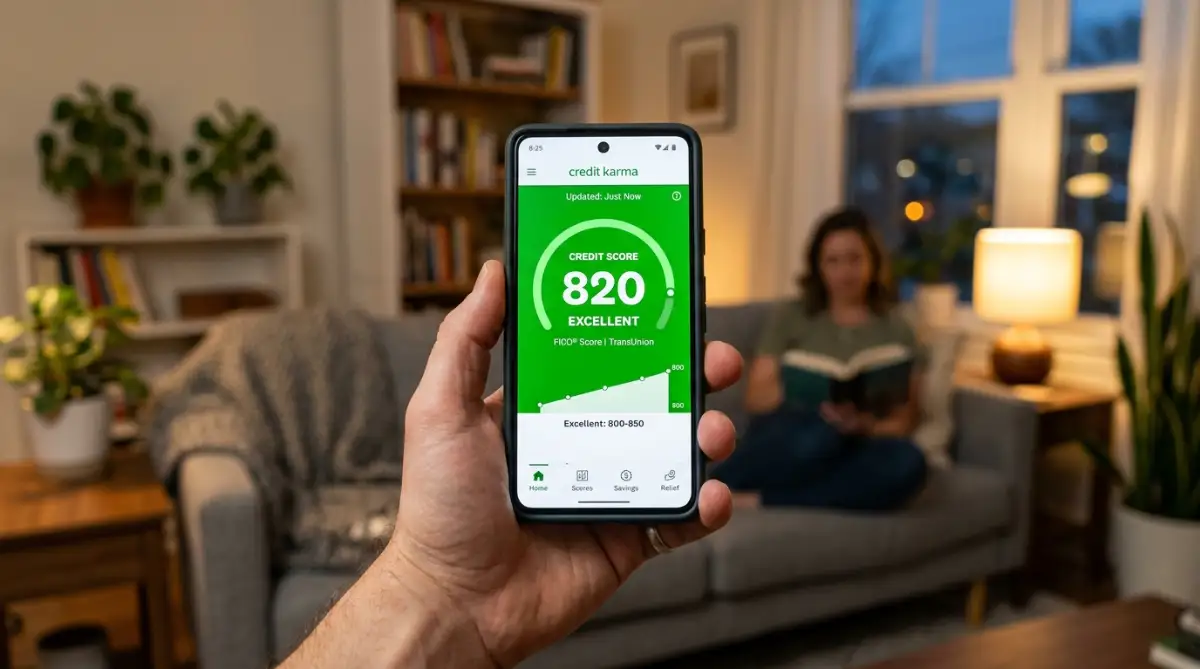
Before we fix it, you need to know where you stand. Here is the basic breakdown most banks use:
| Score Range | What it Means | Your Chances of Approval |
| 800 - 850 | Exceptional | Best interest rates, easy approval. |
| 740 - 799 | Very Good | Very high chance of getting loans. |
| 670 - 739 | Good | This is the average; most people fit here. |
| 580 - 669 | Fair | You might get approved, but with higher interest. |
| 300 - 579 | Poor | Tough to get loans; needs immediate work. |
How Your Score Changes Your Daily Life
You might think credit only matters for big loans, but that is not true. It affects your life in ways you might not notice immediately. For example, your utility bills and insurance premiums are often tied to your credit health. If your score is high, you pay less for car insurance.
If it is low, the company might charge you more because they view you as less responsible. This means a bad score is literally taking extra money out of your pocket every month.
Even employers in some fields check credit reports before hiring. They want to see if a candidate is responsible and organized. Your financial reputation is now part of your professional identity.
Breaking Down the Math Behind the Number
To improve your score, you need to know how the "math" works. It is not a random number generated by a computer. It is based on five specific areas of your financial life. The biggest factor is your payment history.
This makes up about 35% of your total score. If you pay your bills on time, your score goes up. If you are late, even by a few days, it can take a big hit. The second biggest part is how much you owe compared to your limits.
This is called credit utilization. If your credit card is maxed out, it tells the bank you might be struggling. Keeping your balances low is a fast way to show you are in control.
If you are a visual learner, you need to see this! Watch this simple video to see exactly how the credit score "math" works so you can stop guessing and start winning the game.
Practical Steps to Take Control Today
You do not need to be a math genius to handle your credit. You just need a plan and the discipline to stick to it. Let’s look at the first few steps you can take to start your journey.
Step 1: Get Your Free Credit Report
You cannot fix what you cannot see. Your first task is to get a copy of your credit report. You are entitled to a free report every year from the major credit bureaus. When you get the report, do not just look at the score.
Look at the list of accounts and the payment history. Sometimes, banks make mistakes, or someone might have used your name illegally.
If you find a mistake, you have the right to challenge it. Fixing a single error can sometimes jump your score by many points in a short time. This is the most basic yet powerful step you can take.
🛑 Credit Myths: Stop Believing These!
- Myth: Checking my own score makes it go down.
- Fact: Checking your own score is a "soft pull." It doesn't hurt your score at all. Check it as much as you want!
- Myth: I need to carry a balance to build credit.
- Fact: No! Paying your card in full every month is the best way. Don't pay the bank interest for no reason.
- Myth: Closing an old card cleans up my report.
- Fact: This actually hurts you. It makes your credit history look shorter. Keep those old accounts open!
My 5-Minute Credit Report Audit
When you grab your free report, don't just look at the score. Do these three things immediately:
- Check the Names: Make sure there isn't a misspelled name or an address you’ve never lived at.
- Look for "Zombie" Accounts: Are there old credit cards listed that you closed years ago?
- Verify the Limits: Sometimes banks report a lower credit limit than you actually have, which makes your debt look worse than it is.
📉 The "Late Payment" Math
Did you know that just one payment missed by 30 days can stay on your report for 7 years?
If you have a 780 score, a single 30-day late mark can tank it to 680 instantly. That 100-point drop could cost you an extra $150 a month on a car loan. That is why I always tell people: if you can't pay the whole bill, at least pay the minimum before the due date.
Step 2: Set Up an Automated Payment System

Since your payment history is the most important factor, you must never miss a due date. Life gets busy, and it is easy to forget a small bill. This is where automation becomes your best friend.
Go into your bank app and set up "Auto-pay" for the minimum amount on all your bills. This ensures that even if you are sick or traveling, your bills are paid on time. It removes the human error from your financial growth.
Consistency is the secret sauce here. Banks love to see a long string of "on-time" marks on your record. It shows them that you are a reliable partner over the long term.
One mistake I made for years was thinking that as long as I paid my bill eventually, it didn’t matter if I was a few days late. I quickly learned that the system doesn't care about your excuses; it only cares about the calendar.
For a long time, I thought that as long as I had some money in my savings account, my credit score didn't really matter. I learned the hard way that banks care much more about your habits and your history than the actual balance in your pocket.
My biggest realization was that checking my report once a month is the only way to make sure no small mistakes are quietly ruining my future.
My best advice is to treat your due dates like they are set in stone, because even one small slip-up can stay on your record for years.
Step 3: Lower Your Credit Card Balances
If you have credit cards, try not to use more than 30% of your limit. For example, if your limit is $1,000, try to keep your balance under $300. This shows that you have credit but you are not desperate to use it.
If your balance is high right now, do not panic. Every small payment you make helps lower that percentage. You can even make two small payments a month instead of one big one to keep the average balance lower.

This step helps your score because it proves you have self-discipline. It tells the system that you can handle money without spending every cent available to you. This builds massive trust with future lenders.
The Long-Term Vision for Your Money
Building a great credit score is a marathon, not a sprint. It takes time for old mistakes to fade and new habits to show results. But the rewards are worth every bit of effort you put in. With a high score, you will save thousands of dollars in interest over your lifetime.
That is money you can use for your children's education or your own retirement. You are not just building a number; you are building a foundation for wealth.
Imagine the feeling of being "approved" without any stress. Imagine getting the lowest possible interest rate on a car loan. This is the freedom that comes with a solid financial reputation.
We will continue to explore more advanced ways to protect and grow your score in the next part of this guide. For now, focus on these three steps and watch how your confidence begins to grow. You have the power to change your financial story starting right now.
Expert Strategies to Take Your Credit Score to the Next Level
Once you have mastered the basics of paying on time, you might wonder how to push your score even higher. There are several advanced methods that financial experts use to maintain a perfect rating.
These steps require a bit more strategy but offer great rewards in the long run.
Diversifying Your Credit Portfolio
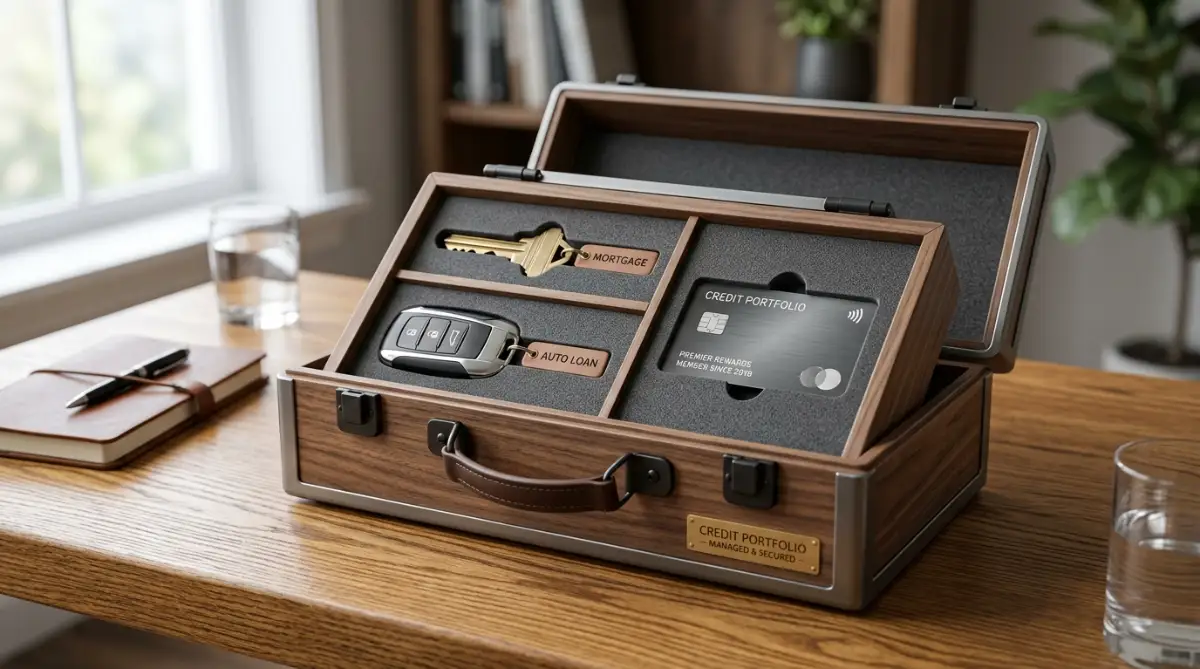
A secret that many people miss is the "credit mix." Lenders want to see that you can handle different types of debt at the same time. This includes revolving credit like credit cards and installment loans like a car loan or a mortgage.
If you only have credit cards, your score might stay at a certain level and stop growing. Adding a small installment loan can actually help show that you are a versatile borrower.
However, you should never take out a loan just for the sake of your score. When you manage different types of accounts, it proves to the bank that you are responsible with various financial structures.
If you are struggling with many different small debts, you might consider how to consolidate multiple debts without hurting your credit score to simplify your life. According to experts at Investopedia, your credit mix accounts for about 10% of your total FICO score.
Protecting the Age of Your Accounts
The length of your credit history is another major factor that helps you stand out. Think of it like an old friendship; the longer it lasts, the more trust is built. Banks love to see that you have kept an account open and active for many years.
A common mistake is closing an old credit card once you stop using it. Even if you don't use the card, keeping it open helps your average account age stay high. If you close it, your history suddenly looks shorter, which can cause your score to drop.
Instead of closing the card, use it once every few months for a small purchase like a cup of coffee. Then, pay it off immediately to keep the account active. Forbes Advisor suggests that a longer credit history makes you look much more stable to potential lenders.
Strategic Credit Limit Increases
One clever way to lower your utilization rate is to ask for a higher limit. If you have been a good customer for a year, call your credit card company and ask for an increase.
If they raise your limit from $2,000 to $4,000, and you still spend the same amount, your utilization ratio drops instantly.
This move tells the credit bureau that you have access to more money but you are choosing not to spend it. It shows incredible financial discipline. Just make sure that a higher limit doesn't tempt you to go on a shopping spree.
This strategy only works if you keep your spending habits exactly the same. It is a mental game as much as it is a financial one. You are essentially using the bank's own rules to prove that you are a low-risk borrower.
Building a Long-Term Financial Safety Net
Good credit is much easier to maintain when you have a backup plan. Unexpected car repairs or medical bills can often lead to missed payments or high credit card debt. This is why having a separate savings account is so important for your credit health.
When you have extra cash saved, you don't have to rely on high-interest credit cards when things go wrong. You can learn more about how to build a bulletproof emergency fund fast to protect your credit from life's surprises. Having this safety net allows you to stay calm during a financial storm.
Over time, this habit of saving creates a cycle of success. You use your savings for emergencies and your credit for building wealth. This is the hallmark of someone who has truly mastered their personal finances.

Hidden Traps That Can Destroy Your Progress
Even if you are doing everything right, certain mistakes can pull your score down quickly. Many people fall into these traps without even realizing they are doing something wrong. Being aware of these pitfalls is the only way to avoid the damage they cause.
The Danger of Frequent Credit Applications
Every time you apply for a new credit card or a loan, the lender performs a "hard inquiry" on your report. One or two inquiries won't hurt much, but five or six in a short time can be a disaster. It makes you look desperate for cash to the banks.
Try to space out your applications by at least six months. This gives your score time to recover from the small dip that an inquiry causes. If you are shopping for a mortgage, try to do all your research within a two-week window so it counts as a single inquiry.
Before you apply for any new credit, it is a good idea to research personal loan mistakes you must avoid so you don't waste an inquiry on a rejection. Being selective about where you apply is a sign of a smart consumer.
The Risk of Co-signing for Others
Helping a friend or family member get a loan feels like a kind thing to do. However, co-signing is a huge risk for your own credit score. If that person misses a single payment, it shows up on your credit report too.
You are legally responsible for the debt just as much as they are. If they stop paying entirely, the bank will come after you for the money. Many people have seen their perfect scores ruined because of someone else's mistake.
If you must co-sign, make sure you have access to the account online. Check it every month to ensure the payments are being made. It is better to have an awkward conversation with a friend than to have a ruined financial reputation.
Forgetting About Small Recurring Bills
Sometimes, it isn't the big mortgage payment that hurts you, but a small forgotten bill. An old gym membership or a forgotten utility bill from a previous apartment can go to a collection agency. Even a $50 debt in collections can stay on your report for seven years.
Always make sure you officially cancel any services you no longer use. Keep a record of the cancellation confirmation. This prevents a "zombie bill" from coming back to haunt your credit score years later.
Check your mail even after you move to a new house. Small mistakes like this are often the reason people are denied loans they should have easily qualified for. Staying organized is a major part of the credit game.
Ignoring the Impact of Missed Payments
A single missed payment can drop a high credit score by over 100 points in one month. The system is designed to reward consistency and punish instability. If you find yourself in a situation where you can't pay, communication is your best tool.
Call your lender before the due date if you are struggling. Many banks have programs to help you if you are facing a temporary hardship. They would rather help you pay than have to report a missed payment to the credit bureau.
If you have already missed a payment, you need to act fast to minimize the damage. You should read about what happens if you miss a personal loan EMI payment to understand your options. Taking action immediately can often stop the problem from getting much worse.
Closing Accounts Instead of Managing Them
As we mentioned earlier, closing accounts can hurt your "age of credit." But it also hurts your utilization ratio. If you close a card with a $5,000 limit, you suddenly have $5,000 less in "available credit."
This makes your existing balances look much larger in comparison. It is almost always better to keep the account open and just cut up the physical card if you are afraid of overspending.
This way, you get the benefit of the history without the temptation of the debt.
Think of your credit report like a story of your life. You want that story to be long, stable, and full of positive chapters. Closing accounts is like ripping pages out of your own success story.
Your Path to a Brighter Financial Future
Improving your credit score is one of the best gifts you can give to your future self. It is not just about a number on a screen; it is about opportunity. It is about the ability to buy a home, start a business, and provide for your loved ones.
The journey might feel slow at first, but every positive action adds up. Like a snowball rolling down a hill, your financial momentum will grow stronger over time. You will start to see lower interest rates and better offers arriving in your mail.
I want you to feel empowered by this information. You now have the tools and the knowledge to take full control of your financial reputation. No matter where your score is today, you can start making it better right now.
Take a moment today to look at your accounts and set a small goal. Maybe it is paying off one small balance or setting up a new auto-pay. These small wins will lead to a lifetime of financial peace and security.
You have worked hard for your money, and now it is time to make the system work for you. Believe in your ability to change your habits and watch as your financial world opens up. Your future self will thank you for the steps you are taking today.
Taking control of my credit score didn't just save me money; it gave me my confidence back. I want you to know that you are more than a number, and you have the power to change your story starting today.
Don't wait for the "perfect time" to start—take one small step right now and your future self will be so glad you did.
Fixing my credit didn't happen overnight, but the day I finally saw that "Approved" message for my first home was one of the proudest moments of my life.
You have the power to turn your financial story around just like I did, and I promise you, the peace of mind you get is worth every bit of the effort.
Frequently Asked Questions (FAQ)
How long does it take to see my score go up?
Usually, it takes about 30 to 45 days. Banks only report to the bureaus once a month, so you have to be a little patient to see your hard work show up in the numbers.
Can I fix a bad score without paying a company?
Yes, absolutely! Everything a 'credit repair' company does, you can do yourself for free. It just takes a bit of organization and some time to write a few letters or make some calls.
Does a debit card help my credit score?
Sadly, no. Debit cards use your own money from your bank account, so they don't show lenders that you can handle borrowed debt. You need a credit card or a loan for that.
Disclaimer:
I am sharing my own story and research to help you learn, but I am not a professional financial advisor. Everyone’s money situation is different, and credit rules can change. Please talk to a certified expert or do your own research before making any big financial decisions based on this information.