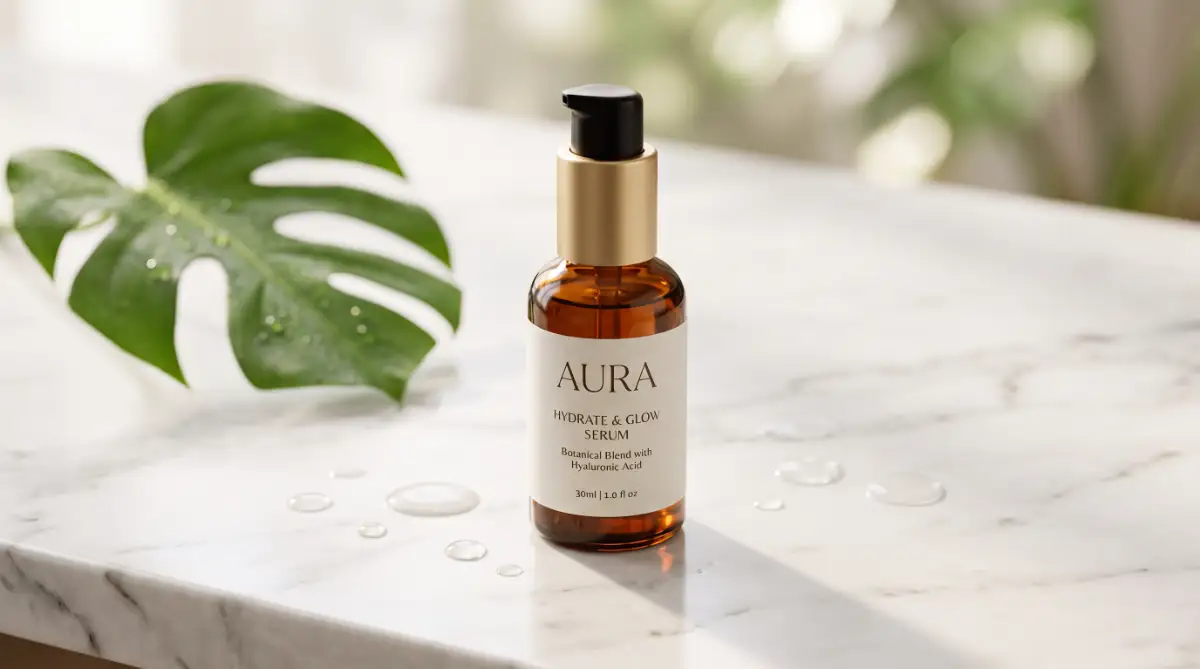
Is your skin so dry it literally hurts to smile? I’ve been there—buying every expensive cream in the store only to end up with flakes on my chin by lunchtime.
The truth is, you don’t need a bigger budget; you just need to stop making these three common bathroom mistakes. Let’s talk about how to keep your face soft all day without spending a fortune on things that don't work.
The Frustrating Reality of Living with Constant Dryness
You wake up and the first thing you feel is a tight, pulling sensation on your face. You reach for your favorite expensive moisturizer and slather it on, hoping for relief. But within an hour, that ashy, gray, and flaky look returns like it never left.
If the mortar is cracked, water leaks out, no matter how much you pour on top. We are going to look at why that wall is breaking down and how you can fix it today.
Quick Reality Check: Dry Skin Myths
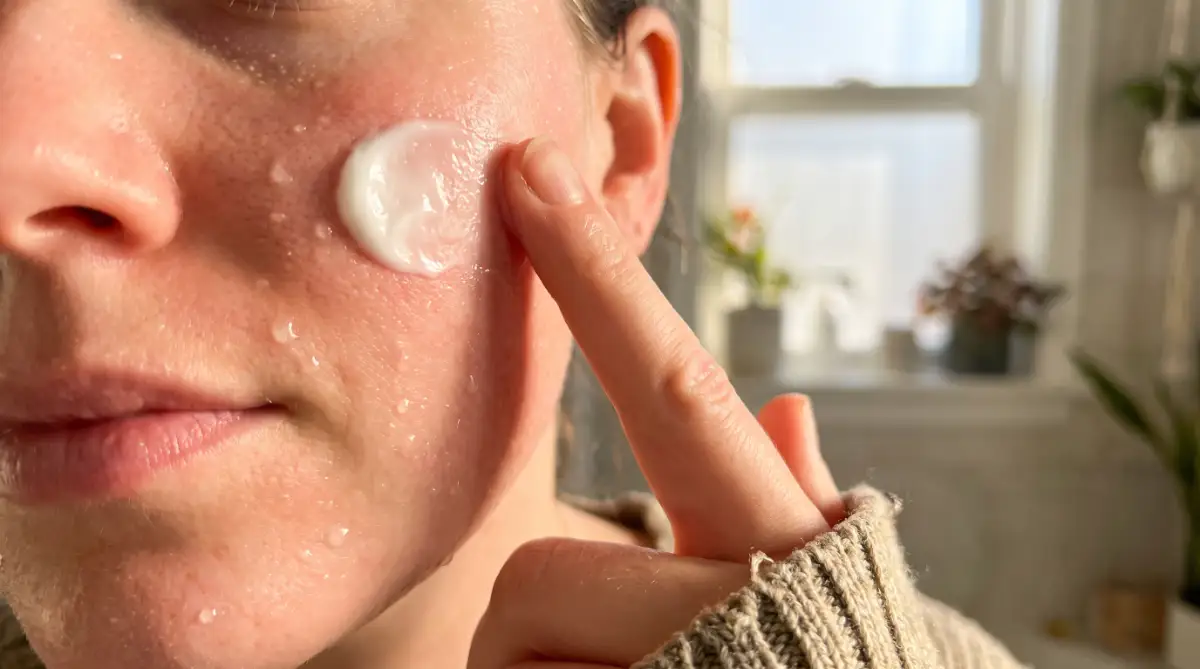
🛑 Stop the Flakes: My 3-Minute Plan
If your face feels tight right now, do these three things:
- Wet your face: Don't put lotion on dry skin. Ever.
- The 60-Second Rule: Get that cream on within one minute of washing. If you wait five minutes, you've already lost.
- Drop the heat: Wash with lukewarm water. Hot water is like using dish soap on your face—it strips everything away.
- Seal it: If it's really bad, put a tiny bit of Vaseline on your dry patches before bed. It works like magic.
5 Ways to Stop the Flakes (Fast)
- The 60-Second Rule: Apply your cream within one minute of washing your face.
- Ditch the Heat: Stop using hot water; it melts away your skin's natural protection.
- Check the pH: Use "soap-free" cleansers so you don't strip your skin.
- Humidify: If the air is dry, your skin will be too. Use a humidifier at night.
- Seal it in: Use a tiny bit of petroleum jelly over your cream at night to lock in moisture.
Stop Doing This: Your Morning Routine Might Be the Problem
The first big mistake people make is applying moisturizer to dry skin. This might sound strange, but moisturizer is designed to "trap" moisture, not necessarily create it from thin air. If your skin is already dry and parched when you rub that cream in, there is no water for the cream to hold onto.
You are basically just putting a layer of grease over a desert. Instead, you should try the "Damp Skin Rule." After you wash your face or get out of the shower, do not rub your skin dry with a towel. Just pat it gently so it is still slightly wet.
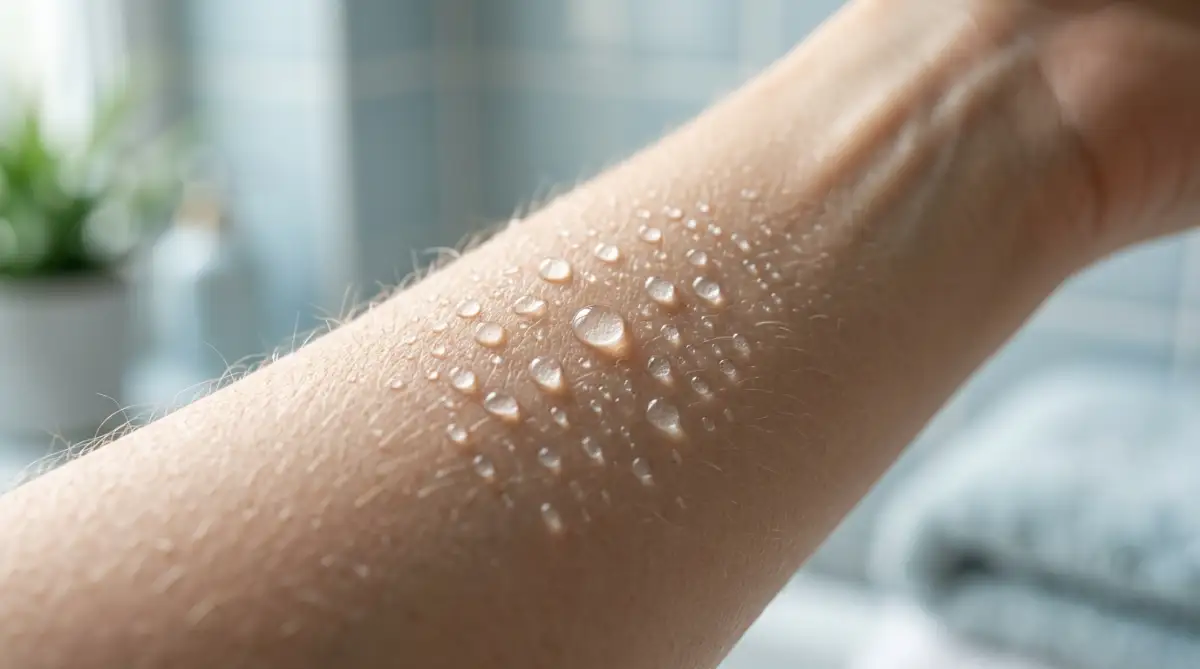
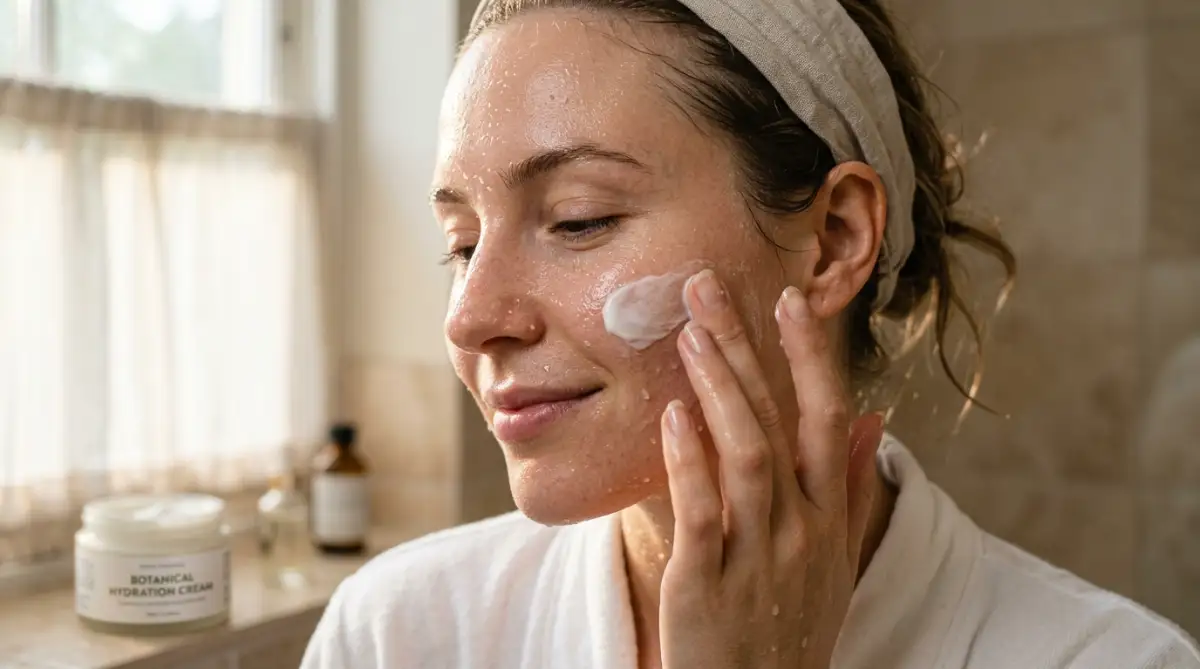
Then, immediately apply your moisturizer. This allows the product to seal that water into your cells. It is a simple change, but it makes a massive difference in how soft your skin feels throughout the day.
I used to be the person who would wait ten minutes after a shower to put on lotion, thinking my skin needed to "breathe" first.
Once I realized I was letting all that good water evaporate, I started applying my cream while my face was still dripping wet. It felt a bit messy at first, but the itching and tightness disappeared almost overnight.
Another hidden reason for dryness is the temperature of your water. We all love a steaming hot shower, especially when it is cold outside. However, hot water is a thief. It melts away the natural fats and oils that keep your skin soft.
When you wash with hot water, you are essentially "degreasing" your body like a dirty frying pan. Always use lukewarm water to keep your skin’s natural defenses safe and sound.
Is Your Skin Barrier Actually Broken?
If your skin stings when you apply even basic lotions, your skin barrier is likely damaged. This barrier is the outermost layer of your skin, and its job is to keep moisture in and irritants out.
When this layer is weak, water escapes through a process called Transepidermal Water Loss (TEWL). No matter how much lotion you use, it will keep evaporating into the air if the barrier isn't fixed.
To fix a broken barrier, you need to stop using harsh scrubs and strong acids for a while. Focus on ingredients like Ceramides and Fatty Acids.
These are the natural building blocks of your skin. Using a cream with ceramides is like "filling the cracks" in that brick wall we talked about earlier.
It helps the skin heal itself so it can finally start holding onto the hydration you provide. You should also check your cleanser. If your face feels "squeaky clean" or tight after washing, your soap is too harsh.
Most traditional bar soaps have a high pH level that destroys the skin's natural acidic environment. Look for a soap-free, pH-balanced cleanser that feels creamy rather than foamy.
A gentle start to your routine prevents the dryness from happening in the first place.
The Role of Dead Skin Cell Buildup
Sometimes, your moisturizer is great, but it simply cannot reach your living skin cells. This happens when you have a thick layer of dead skin cells sitting on the surface. Imagine trying to water a plant through a piece of plastic wrap; the water just slides off.
If you don't exfoliate properly, your moisturizer is just sitting on top of "dead" tissue, which will always look dull and flaky. However, there is a very thin line here. If you exfoliate too much, you hurt the barrier.
If you do it too little, the moisture can't get in. A good rule is to use a gentle chemical exfoliant like Lactic Acid once or twice a week. Lactic acid is special because it removes dead skin while also acting as a humectant, which means it actually helps pull moisture into the skin.
Think of exfoliation as "clearing the path" for your skincare. When those old, dry cells are gone, your lotion can finally penetrate deep into the layers where it is needed most.
You will notice that your skin looks brighter and feels much smoother almost immediately. Just remember to be kind to your face; you are not scrubbing a floor, you are treating a living organ.
🌙 Night vs. ☀️ Day: My Personal Rule
Don't use the same products for both. Your skin needs different things depending on the time:
- Morning: Keep it light. I use a watery moisturizer so my makeup doesn't slide off. No heavy oils here!
- Night: This is when I do the heavy lifting. I put on a thick cream and then add a tiny drop of oil on top to "trap" everything while I sleep.
Choosing the Right Type of Moisturizer
Not all moisturizers are created equal. Most people don't realize there are three different types of ingredients that work together to stop dryness.
If your product only has one type, it might not be enough for your specific skin needs. You need to look for a balance of Humectants, Emollients, and Occlusives on the ingredient list.
Humectants are like tiny magnets. They pull water from the air or from the deeper layers of your skin into the surface. Ingredients like Glycerin and Hyaluronic Acid are famous for this.
If you live in a very dry climate, however, humectants can sometimes pull water out of your skin if there is no moisture in the air. This is why you need the next two types of ingredients. Emollients are the ingredients that make your skin feel smooth and soft.
They fill in the tiny gaps between your skin cells. Look for oils like Jojoba oil or Squalane. Finally, Occlusives are the "sealants." They create a physical barrier on top of the skin to prevent water from evaporating. Petrolatum and Shea Butter are great examples.
If you have very dry skin, you need a product that contains all three to ensure the water stays where it belongs.
What to Look for on the Label
Before you buy another product, flip the bottle over. I always look for these "Big Three" ingredients to make sure my skin stays soft all day:
- Glycerin: Acts like a sponge to soak up water.
- Ceramides: These act like the "glue" that keeps your skin cells together.
- Squalane: A light oil that mimics your skin’s natural oils without feeling greasy.
The Hidden Impact of Your Environment
Sometimes the reason for your dry skin isn't in a bottle at all. It is the air around you. If you spend your day in an air-conditioned office or a room with central heating, the air is likely very dry.
This dry air acts like a vacuum, sucking the moisture right out of your pores.
You might leave the house feeling hydrated, but by lunchtime, you feel like a piece of parchment paper. A simple fix for this is using a humidifier. Adding moisture back into the air gives your skin a break.
If you cannot use a humidifier, try keeping a hydrating mist at your desk. Spraying your face lightly and then tapping it in can provide a quick boost of relief. Also, pay attention to the "hard water" in your home.
Hard water contains minerals like calcium and magnesium that can dry out your skin and hair. Using a shower filter can help remove these minerals before they touch your body. It is an investment, but it is often cheaper than buying dozens of creams that don't work.
By changing your environment, you make it easier for your skin to stay healthy naturally. Your skin is constantly reacting to its surroundings, so give it the best atmosphere possible to thrive.
Internal Hydration and Diet
We often forget that skin health starts from the inside out. While "drinking more water" is common advice, it is not just about the amount of water you drink. Your skin needs healthy fats to build its protective barrier.
If your diet is very low in fat, your skin may lose its ability to stay plump and hydrated. Include foods rich in Omega-3 fatty acids, like walnuts, flaxseeds, or fatty fish. these fats act like internal moisturizers for your cells.
Also, look at your intake of caffeine and alcohol. Both of these are diuretics, meaning they cause your body to lose water. If you have three cups of coffee but no extra water, your skin will show the signs of dehydration very quickly.
Think of your skin as a reflection of your internal health. If you are stressed, tired, and poorly nourished, your skin will look dry no matter how much cream you apply. Give your body the nutrients it needs to build strong skin cells.
When your body has the right tools, it can maintain its own moisture levels much more effectively. This holistic approach is the secret to long-term results that don't disappear after you wash your face.
Mastering the Art of Deep Skin Hydration
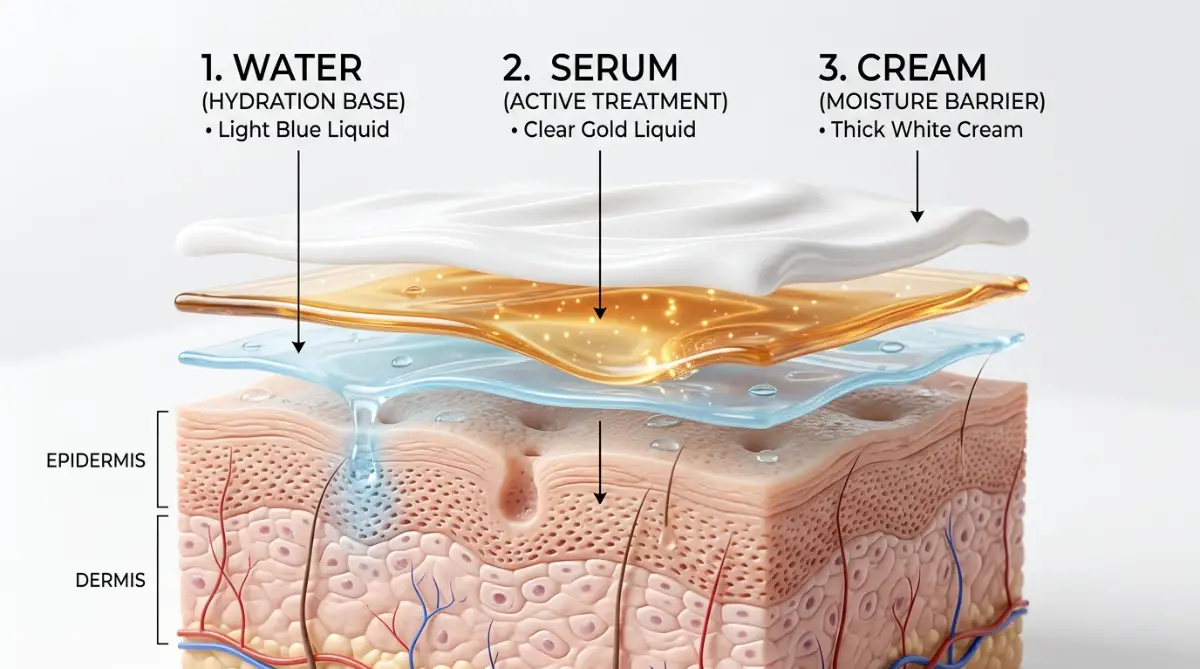
Now that we understand why your skin might be struggling, let's look at some pro-level secrets to fix it. Most people think more cream is the answer, but the real secret is in the layering process. Think of your skincare like dressing for cold weather; you need a base layer, a middle layer, and a coat.
The Magic of the Moisture Sandwich
The "Moisture Sandwich" is a technique used by top dermatologists to maximize hydration. It involves dampening your skin between every single step of your routine.
First, you start with a face mist or just a little bit of tap water on your clean face. Next, you apply a humectant serum like Hyaluronic Acid while your face is still wet. Then, you spray your face again before applying your main moisturizer.
This creates a "sandwich" of water and product that forces hydration deep into your skin cells. It stops the air from stealing your moisture before it has a chance to soak in.
This method works because it gives the ingredients something to grab onto. If you apply serum to a dry face, the serum might actually pull moisture out of your skin to satisfy its chemical bonds.
By adding layers of water, you ensure the product is always working for you, not against you.

Stop! Before you try this, watch this quick video to see the "Moisture Sandwich" technique in action. It’s the easiest way to make sure your skin stays hydrated all day long without wasting a drop of your favorite product.
The Power of Overnight Recovery
Your skin does its most important repair work while you are asleep. This is the best time to use heavier, richer products that might feel too greasy during the day.
During the night, your body temperature rises slightly, which can lead to more water loss through your pores.
To combat this, many experts recommend a technique called "Slugging." This involves putting a very thin layer of an occlusive balm (like plain petroleum jelly) over your moisturizer. This balm acts as a physical "seal" that prevents 99% of water loss while you sleep.
You don't need a lot of product for this to work effectively. Just a pea-sized amount rubbed between your palms and pressed onto your face is enough.
When you wake up, your skin will feel plump, soft, and bouncy because all that moisture was trapped inside all night long.
Balancing Your Skin’s Natural pH
Your skin has a thin, protective layer called the acid mantle. This layer needs to stay slightly acidic to keep bacteria out and moisture in. Many people accidentally destroy this layer by using harsh soaps or "deep cleaning" scrubs that are too alkaline.
When your pH is off, your skin becomes "leaky." Even the best moisturizer in the world cannot stay inside a skin barrier that is chemically imbalanced. To fix this, look for pH-balanced toners that are specifically designed to bring your skin back to its natural state.
Avoiding fragranced products is also a great way to protect your pH. Fragrance is one of the biggest causes of hidden irritation. Even if you don't see a red rash, the fragrance might be causing "micro-inflammation" that dries out your skin from the inside.
How to Maintain These Results Forever
Consistency is the biggest secret to having glowing skin year-round. Your skin cells take about 28 days to renew themselves. This means you won't see the full effect of a new routine until you have done it for at least a full month.
- Stick to your routine even on days when your skin feels "fine."
- Adjust your products based on the changing seasons (heavier in winter, lighter in summer).
- Always wash your face with cool or lukewarm water, never hot.
- Keep your pillowcases clean to avoid buildup that can irritate dry skin.
- Listen to your skin; if it feels tight, add a layer of hydration immediately.
If you follow these steps, you are not just "fixing" a problem; you are building a healthy foundation. Beautiful skin is a long-term game. It is about small, daily habits that add up to a big difference over time.

5 Common Mistakes That Keep Your Skin Dry
Even with the best intentions, it is easy to fall into traps that ruin your progress. One of the biggest mistakes is over-exfoliating.
Many people think that because their skin is flaky, they need to scrub it off. In reality, that flakiness is often a sign of a weak barrier, and scrubbing just makes the "cracks" in your skin wall even bigger.
Another huge mistake is relying only on face oils. Oils are great, but they are not the same as moisture. Water is hydration; oil is a sealant.
If you put oil on dry skin without any water-based product underneath, your skin will stay dehydrated and just look shiny on top.
Wait too long to moisturize after washing is a third trap. You have a "golden window" of about 60 seconds after patting your face dry. If you wait five minutes to apply your cream, the surface moisture has already evaporated, and your skin has started to tighten.
Many people also use too many active ingredients at once. If you are using Retinol, Vitamin C, and AHAs all in the same day, you are likely stripping your skin's natural defenses.
This causes "sensitized" skin, which feels dry and irritated no matter how much lotion you apply.
Finally, ignoring the impact of hard water is a silent killer for skin health. The minerals in hard water can leave a film on your skin that clogs pores and prevents moisturizer from soaking in.
If you live in an area with hard water, using a simple filter or a chelating toner can change your skin overnight.
Your Journey to Radiant and Healthy Skin
You now have the tools and the knowledge to end the cycle of dry skin for good. Remember that your skin is a living organ that reacts to how you treat it.
It isn't just about finding one "magic" product; it is about understanding how to support your skin's natural functions.
Be patient with yourself and your skin. The tightness and flaking didn't happen overnight, so the healing will take a little bit of time too.
But with the "Damp Skin Rule" and the "Moisture Sandwich," you are already ahead of 90% of people struggling with this issue.
Start tonight by being extra gentle. Turn down the water temperature, leave your skin a little damp, and seal in that goodness with a thick, healthy cream.
You will soon see a vibrant, glowing version of yourself in the mirror. You deserve to feel comfortable and confident in your own skin every single day.
🧪 The "Label" Cheat Sheet: What to Look For
I used to just look at the price tag, but now I check the back of the bottle. If your skin is flaking, look for these:
Taking care of your skin doesn't have to be a confusing or expensive chore. Just try the "damp skin" trick tonight and see how your face feels when you wake up tomorrow.
You will be so much happier once you stop fighting your skin and start giving it what it actually needs to stay soft and bouncy.
Disclaimer:
Just a quick note before you try these tips. I am sharing what has worked for me and general skincare advice, but I am not a doctor or a skin specialist. Every person has a different skin type, so what works for me might not work the same way for you. If you have a painful rash or a serious skin condition, please go see a professional dermatologist. I want you to stay safe while you work on getting that healthy glow!

![Why You Always Feel Tired at 3 PM [The Real Secret]](https://nexvoramag.com/storage/uploads/blogs/1787859774_why-you-always-feel-tired-at-3-pm-the-real-secret.webp)