The Hidden Stress of the Airport Check-In Counter
I still remember the time I stood at the gate in London, sweating as the agent pointed to my bulging suitcase. I had to pull out my messy laundry in front of a long line of strangers just to save fifty dollars.
It was the most embarrassing moment of my travels, and that's when I promised myself I’d never let a bag stress me out again.
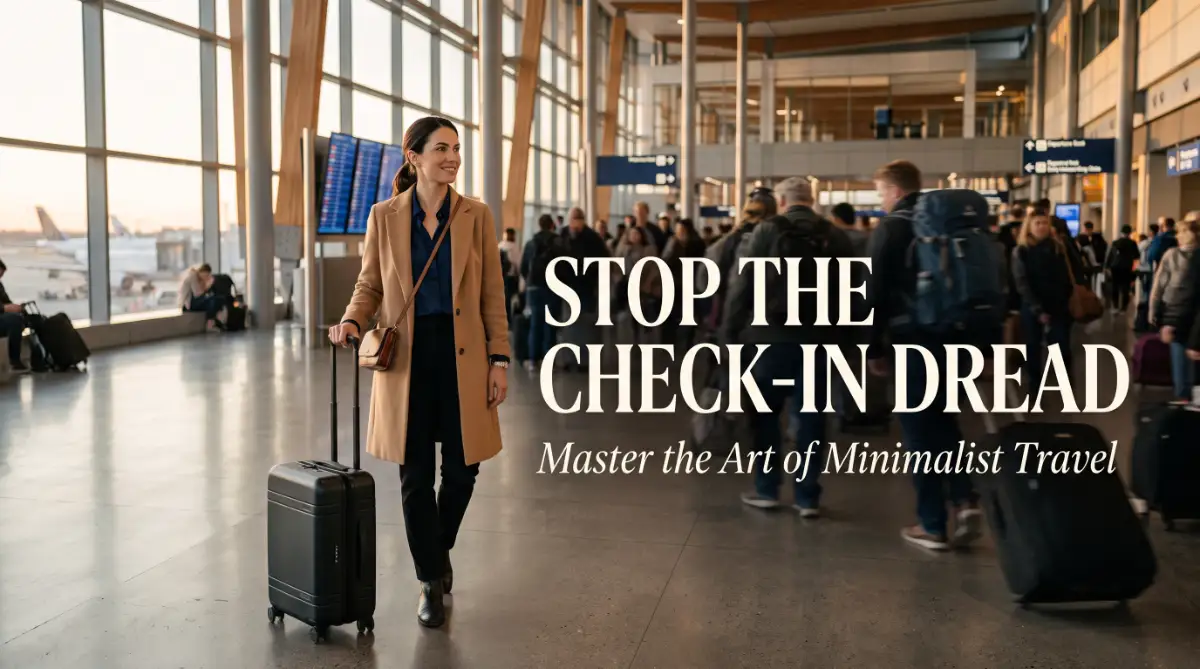
You stand in line at the airport, feeling a knot in your stomach. Your suitcase is sitting on that cold, metal scale. The numbers flicker, and your heart beats a little faster. Will it pass, or will you have to pay a massive fee?
This is a scene many travelers know all too well. It turns a happy vacation into a moment of pure dread. You might have to open your bag in front of everyone and move dirty laundry around.
It is embarrassing and costs you money you wanted to spend on your trip.
The rules seem to change every time you book a flight. One airline allows a small backpack, while another demands a tiny suitcase. This confusion leads to many common mistakes.
- Most people try to pack for "just in case" moments that never happen.
- Travelers often use heavy suitcases that eat up half their weight limit before they even add clothes.
- Many do not realize that wheels and handles are included in the airline's size measurements.
- People follow outdated advice that does not work for modern budget airlines.
- Without a clear plan, your bag becomes a messy pile of "stuff" rather than a travel tool.
This constant worry ruins the "pre-vacation glow" we all love. Instead of thinking about the beach or a new city, you are fighting with a zipper. This stress spills over into your mental peace.
- You feel less confident because you aren't sure if you have what you need.
- The fear of extra fees makes you feel like you are being scammed by the airline.
- Carrying a heavy, overstuffed bag makes you tired before the journey even begins.
- Disorganization leads to lost items like chargers or keys during the flight.
The reality is that airlines make a lot of money from these mistakes. They want you to fail so they can charge you at the gate. But you can win this game with the right strategy.
It is not just about having less stuff. It is about having the right stuff and putting it in the right place.
Packing light is a skill that gives you freedom. You can walk off the plane and head straight to your hotel. No waiting at the luggage carousel.
No worrying about the airline losing your bags. It is time to change how you look at that small suitcase.
Proven Techniques for Maximizing Your Luggage Space
The first step to packing like an expert is choosing the right bag. Not all carry-ons are the same. Some have thick shells and heavy wheels. These look nice but take away from your total weight allowance.
Look for a bag that is lightweight but strong. Soft-sided bags often have a little more "give" if you need to squeeze in one last item. However, hard shells protect your items better. Check the specific dimensions of the airline you fly most often.
Step 1: The Magic of the Rolling Method
Many people fold their clothes like they are putting them in a dresser. This is a mistake for travel. Folding creates air pockets and deep wrinkles. Instead, you should roll every item of clothing.
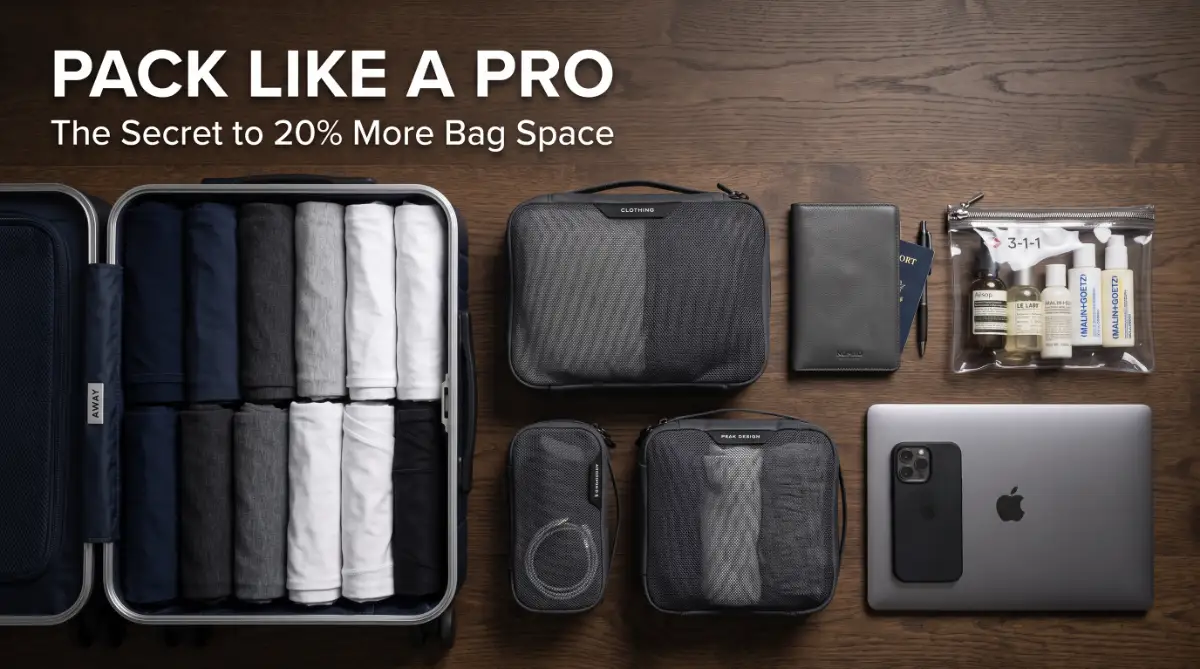
Lay your shirt flat and fold the sleeves inward. Then, roll it tightly from the bottom up. This makes the item look like a small tube. It saves an incredible amount of space. You can line these tubes up like rows in a garden.
Rolling also helps you see everything you have at once. You don’t have to dig to the bottom of the bag to find a pair of socks.
It keeps your bag organized and prevents those ugly fold lines. For delicate items, you can even roll them in tissue paper to keep them smooth.
For years, I thought these little fabric bags were just a gimmick to get me to spend more money, but I was so wrong.
Once I finally tried them, I realized they don't just save space—they keep my mind calm because I never have to dig through a "mountain of clothes" to find one clean shirt.
Step 2: Use Packing Cubes as Your Secret Weapon
If you haven't used packing cubes, you are missing out. These small fabric containers act like drawers for your suitcase.
They help you group items together. You can have one cube for shirts, one for underwear, and one for gym gear.
Packing cubes do more than just organize. They compress your clothes. When you zip the cube, it pushes the air out. This allows you to fit more into a smaller area. It also makes the security check much easier.
If a security officer needs to look in your bag, they won't see a mess. They will see neat cubes. You can take one out and put it back without ruining your whole packing job. It keeps your sanity intact throughout the trip.
Step 3: Master the 3-1-1 Liquids Rule
Nothing slows you down like a liquid spill or a security hold. The rules are strict: 3.4 ounces (100ml) or less per bottle. All bottles must fit into one quart-sized, clear plastic bag.
Instead of taking your big shampoo bottle, buy small reusable ones. Or, better yet, switch to solid versions. Solid shampoo and bar soap do not count as liquids. This saves space in your clear bag for things like sunblock or lotion.
Always place your liquid bag in an easy-to-reach spot. Put it in the front pocket or right at the top of the main compartment. You want to be able to pull it out in seconds. This small habit makes you look like a pro at the airport.
Not sure how to get those perfect, tight rolls? Watch this quick video to see the magic in action and learn how to double your bag space in under five minutes!
Why Weight Distribution Matters
Most travelers just throw things in and hope for the best. This makes the bag hard to carry and prone to tipping over. You should place your heaviest items at the bottom near the wheels. This includes shoes and heavy tech gear.
Putting weight at the bottom keeps the bag stable. It makes it much easier to roll through the airport. Your lighter clothes should go toward the top. This simple logic prevents your bag from feeling like a heavy anchor.
The Power of "Wear Your Bulk"
If you are traveling to a cold place, don't pack your big coat. Wear it onto the plane. Airlines do not count the clothes you are wearing as part of your luggage weight. This is the oldest and best trick in the book.
You can also use your pockets. Put your heavy power bank or camera in your jacket pocket while you are at the scale. Once you pass the gate, you can put them back in your bag. It feels a bit funny at first, but it saves you from paying those high fees.
Selecting a Versatile Color Palette
You do not need five pairs of shoes. You need one pair of comfortable walking shoes and maybe one nicer pair. The secret is to pick clothes that all work together. Choose a simple color palette like navy, gray, and white.
When all your clothes match, you can create many outfits from just a few pieces. This is called a "capsule wardrobe." It is the foundation of minimalist travel. You will look great in every photo without carrying a huge trunk of clothes.
Dealing with Tech and Cables
Cables and chargers can quickly become a tangled mess. Use a small pouch to keep them all in one place. Do not bring a charger for every single device if you can avoid it. Many modern gadgets use the same USB-C cable.
Look for a multi-port wall charger. This allows you to charge your phone, watch, and tablet from one outlet. It reduces the number of plugs you need to carry.
Keep your most important tech, like a laptop, in a padded sleeve that is easy to remove.
The "One-In, One-Out" Rule
If you plan to buy souvenirs, you must leave space for them. A common rule is to fill your bag only 80% full.
This gives you room for the things you find on your journey. If your bag is already bursting at home, you will have a problem on the way back.
Think about what you can leave behind. Do you really need three books, or can you use an e-reader? Do you need a heavy hairdryer, or will the hotel have one? Every ounce counts when the airline is watching.
Professional Strategies for the Frequent Flyer
Building on our basic techniques, let's look at how experts handle even smaller bags. When you travel often, you start to see every inch of space as valuable property.
You stop thinking about what you want to bring and start thinking about what you actually need.
One of my favorite advanced methods is called Bundle Packing. Unlike rolling, this involves wrapping your clothes around a soft central core. You might use a small pouch of socks or underwear as the center.
Then, you wrap your shirts and pants around that core one by one. This creates a large, soft "bundle" that fits perfectly into your suitcase. Because the fabric is wrapped rather than folded, there are almost no wrinkles when you arrive.
Maximizing Your Secondary "Personal Item"
Most people forget that many airlines allow a second, smaller bag. This is usually called a personal item. It must fit under the seat in front of you.
I always suggest using a high-quality backpack for this. You can put your heavy electronics, chargers, and snacks here. By moving weight from your overhead bag to your backpack, you can often meet strict weight limits easily.
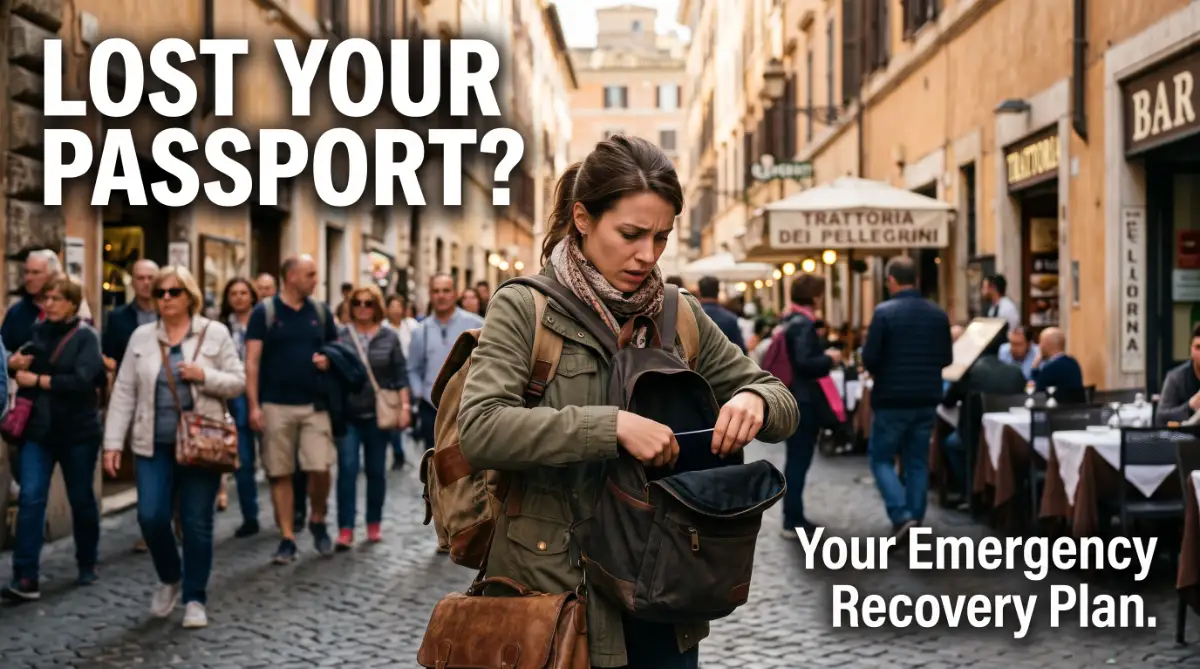
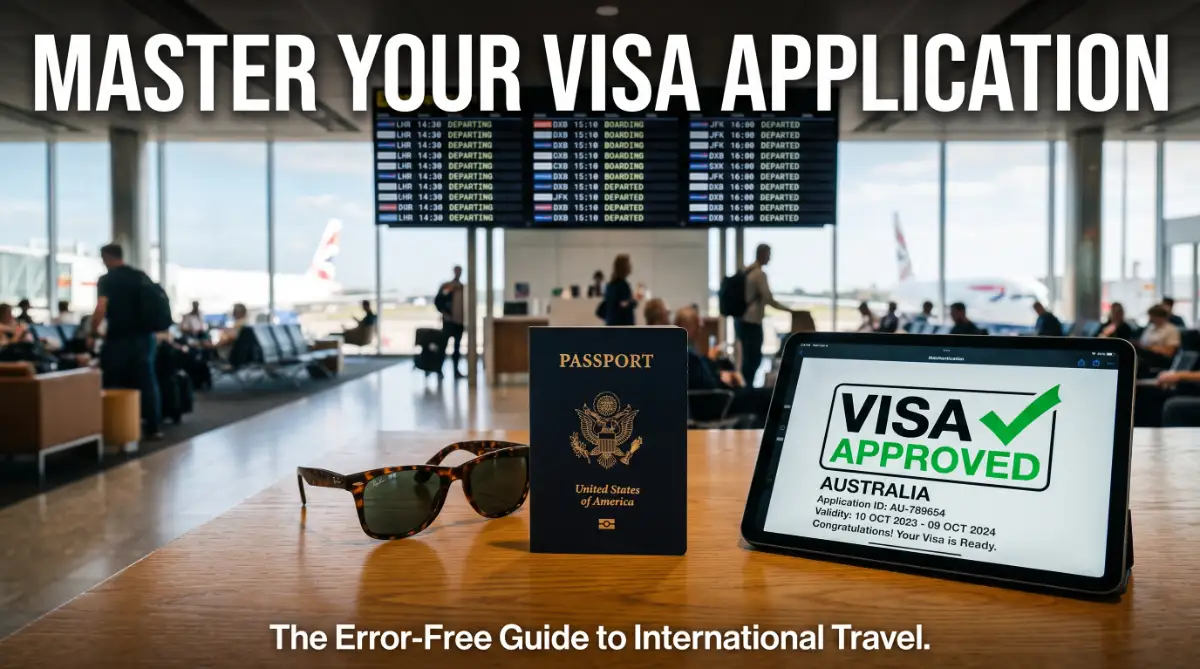
Always check if you have a how-to-apply-for-an-international-tourist-visa-without-making-common-errors guide ready in your bag.
Keeping your documents organized in a small folder inside your personal item is a life-saver. This keeps you calm and prevents you from digging through your clothes at the gate.
The Art of Multi-Purpose Clothing
You should never bring an item that only has one use. A large, thin scarf or sarong can be a blanket on the plane. It can also be a beach towel, a head covering for religious sites, or even an extra layer of warmth.
The same rule applies to your shoes. Wear your heaviest, most comfortable sneakers on the flight. If you need something formal, pack one pair of lightweight flats or loafers that work for both dinner and walking.
Expert Gear Choices for Longevity
If you want to keep these good results for years, you need the right tools. Investing in a high-quality, lightweight suitcase is the best move you can make. Cheap bags often have heavy frames that steal your weight allowance.
Look for bags made from ballistic nylon or high-grade polycarbonate. These materials are very light but can handle being tossed around. A good bag should feel like an extension of your own body.
You should also digitize everything you can. Instead of carrying thick paper books, use a kindle or a tablet. Instead of printing every ticket, keep digital copies on your phone. This reduces clutter and keeps your bag light.
If you find yourself getting anxious about airport security, try to master-your-mind-how-to-stay-calm-and-think-clearly-under-pressure. This mental preparation is just as important as your physical packing. A calm traveler makes fewer mistakes and enjoys the trip much more.
Staying Safe on Public Connections
When you travel with just a carry-on, you likely have all your expensive tech with you. This makes you a target for digital thieves at airports. Always use a secure connection for your devices.
I highly recommend learning how-a-vpn-encrypts-your-data-on-public-wi-fi-networks before your next trip. This simple step protects your bank info and personal photos while you wait for your flight. It is a part of smart, modern travel that many people overlook.
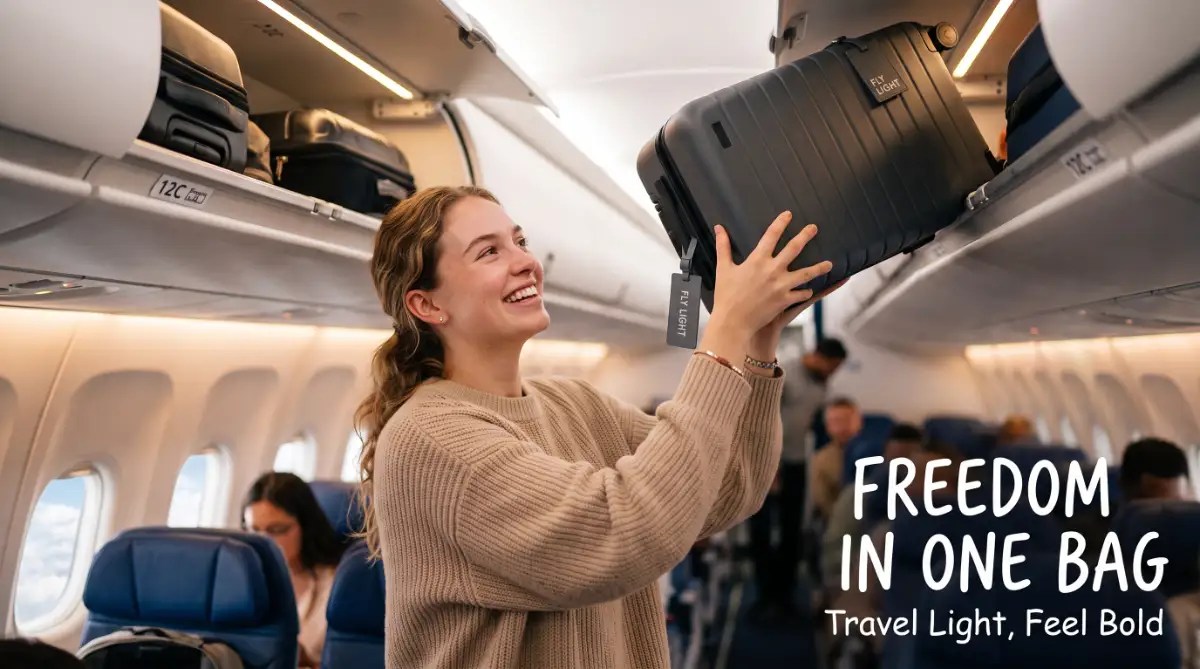
Why Most Travelers Still Get Charged at the Gate
Even with the best tips, some people still fall into traps. These mistakes are exactly what airlines hope you will make. They are designed to catch you off guard and force you to pay.
The biggest mistake is ignoring the total dimensions. Many people only look at the height of the bag. They forget to measure the wheels and the top handle.
If your bag is one inch too wide because of the wheels, it might not fit in the metal sizer. This leads to an immediate fee at the gate. Always measure your bag when it is fully packed, as it can bulge outward and become too thick.
The "Just in Case" Trap
We all have a voice in our head saying, "What if it rains?" or "What if I go to a fancy party?" This voice makes you pack extra items that you will never wear. These items take up space and add weight.
If something happens, you can almost always buy a cheap solution at your destination. It is better to buy a five-dollar umbrella than to pay a fifty-dollar baggage fee. Be ruthless with your choices and only pack what you know you will use.
Forgetting Airline-Specific Rules
Every airline has its own set of rules. A bag that is free on one airline might cost sixty dollars on another. Never assume that "carry-on size" means the same thing everywhere.
Before you leave home, spend five minutes on the airline's website. Check their specific weight and size limits. Some budget airlines only allow 7kg (15 lbs), which is very easy to exceed.
Poor Weight Distribution
Many people pack their heavy items at the top of the bag. This makes the bag "top-heavy." When you let go of the handle, the bag falls over.
This also puts a lot of stress on the zippers. If a zipper breaks at the airport, you are in big trouble. Always put your heaviest items at the bottom near the wheels to keep things stable and safe.
Over-packing the Toiletry Bag
You do not need a full bottle of every lotion you own. Most hotels provide soap and shampoo. If you have a specific skin routine, use tiny pots for your creams.
A massive toiletry bag is often the reason a carry-on won't close. Keep it simple and stick to the essentials. This also makes the security screening process go much faster.
The Real Cost of These Errors
If you make these mistakes, you lose more than just money. You lose time. You have to stand in extra lines and wait for your bag to be tagged.
You also lose your peace of mind. Starting a vacation with an argument at the check-in desk is a terrible experience. It can ruin your mood for the entire first day of your trip.
A Quick Check-List Before You Leave
- Did you measure the bag including wheels and handles?
- Is your liquid bag at the very top for easy access?
- Are you wearing your heaviest jacket and shoes?
- Did you check the weight limit for this specific airline?
- Is your personal item bag within the correct size?
If you can answer yes to these, you are ahead of 90% of other travelers. You are ready to move through the airport like a shadow. No stress, no fees, and no heavy lifting.
Your Roadmap to Stress-Free Skies
Packing efficiently is a form of freedom. It allows you to move through the world with ease. You are no longer burdened by heavy trunks or worried about lost luggage.
I want you to try these methods on your very next trip. Don't wait until you are a "pro" to start. Even if you only use the rolling method and the 3-1-1 rule, you will notice a huge difference.
Traveling light changes your whole perspective. You focus on the people you meet and the places you see. You spend your money on experiences rather than airline fees. It is a more intentional and joyful way to see the world.
Taking the First Step Tonight
Go to your closet and find your favorite carry-on bag. Try rolling a few shirts just to see how much space you save. Once you see the results for yourself, you will never go back to your old ways.
You have the tools and the knowledge now. The only thing left to do is book your next adventure. Whether it is a short weekend trip or a long journey, you are ready to handle it.
Remember that every great traveler started exactly where you are. They learned these secrets over time. By following this guide, you are skipping years of trial and error.
Safe travels on your next journey. I hope your bag is light and your heart is full. You have mastered the art of packing, and the world is waiting for you to explore it.
Switching to a light carry-on changed my life because I stopped worrying about "stuff" and started focusing on the actual sights.
Trust me, once you feel the freedom of walking straight past the baggage claim and out into a new city, you will never want to pack a heavy suitcase ever again.
Disclaimer: The information provided in this blog post is for educational and informational purposes only. Airline regulations and security protocols change frequently.
Always check with your specific airline and the relevant transportation authorities (such as the TSA or IATA) before your travel date to ensure compliance with the most current rules.