The Moment Your Heart Sinks: The Reality of a Missing Passport
I’ve been there—that cold sweat when you realize your pocket is empty and your passport is gone. It happened to me in Rome, and for a second, I thought I’d never get home. I wrote this guide because right now, you don't need a lecture; you need a clear, fast plan to fix this mess and get back to your family.

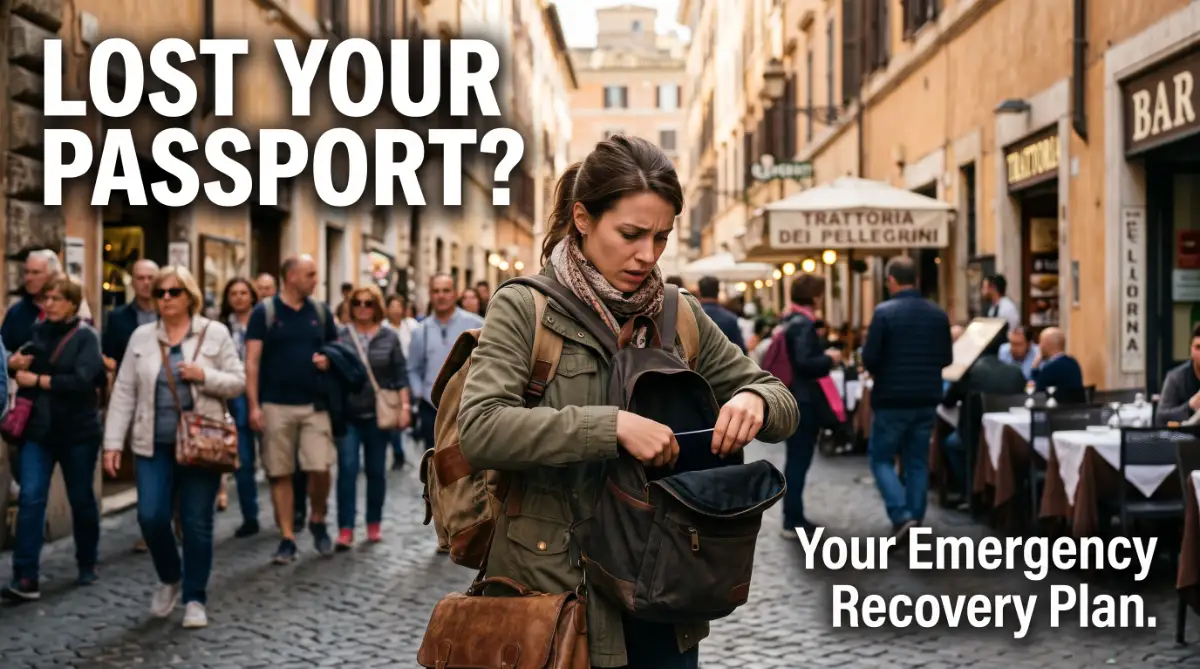
You are standing in a beautiful city, miles away from home. You reach into your bag to check your flight details or check into a hotel. Suddenly, your stomach drops. Your passport is not there.
That cold shiver down your spine is something no traveler ever wants to feel. It is more than just losing a piece of paper.
You have lost your identity, your right to travel, and your ticket back to your family. This situation can turn a dream vacation into a living nightmare in seconds.
I have seen travelers freeze in panic, not knowing where to turn or who to call.
Why Most Travelers Get Stuck in the Panic Loop
When people realize their passport is gone, they often make mistakes that make things worse. They follow bad advice or try to handle it without a clear plan.
- Many people waste hours searching the same spot over and over instead of taking action.
- Travelers often forget that local police reports are mandatory for insurance and embassy help.
- Some try to go to the airport anyway, hoping the airline will let them fly with just a driver’s license.
- Innocent victims often rely on outdated blog posts that give the wrong contact details for embassies.
- People forget to check if they have digital copies of their documents stored in the cloud.
Stop! Read This Before You Move:
- Don't Panic: You are not stuck forever; this is a standard procedure for every embassy.
- Police First: You cannot get a new passport without a local police report.
- Gather Files: Find any photo ID or digital scans on your phone/email right now.
- Stay Local: You may need to stay in the city where the embassy is located for 24-48 hours.
The Instant Recovery Roadmap: Your First Actions
Stop what you are doing and take a deep breath. Panicking will not find your passport, but a systematic approach will. We are going to walk through the exact steps you need to take right now.
Step 1: The Local Police Report (Your Legal Shield)
The very first thing you must do is find the nearest police station. Even if you think you just dropped it, you need to report it as "lost" or "stolen."
Why is this so important? Most embassies will not even talk to you without a police report number. It is the official proof that you are not trying to commit identity fraud.
When you go to the station, ask for a "Police Loss Report." Keep multiple copies of this document. You will need one for the embassy and one for your travel insurance claim later.
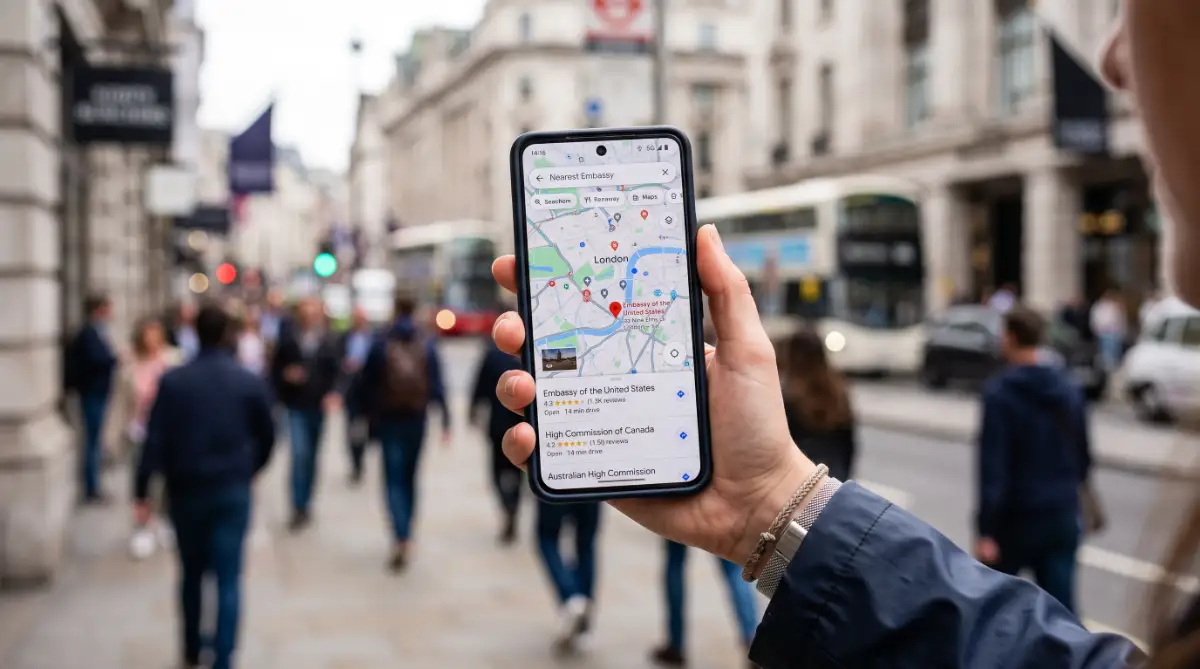
Step 2: Locate Your Nearest Embassy or Consulate
Your embassy is like a tiny piece of your home country sitting in a foreign city. They are the only ones who can give you a new passport or an emergency travel document.
Open your phone and search for your country’s official government website. Look for the "Consular Services" section in the city or country where you are currently staying.
Pro Tip: If you are in a small town, there might not be an embassy there. You might have to travel to the capital city. Do not wait; start planning that trip immediately.
Step 3: The "Identity Puzzle" – Gathering Your Proof
The embassy needs to know who you are before they can help you. Since you lost your main ID, you have to prove your identity using other means.
This is where your preparation pays off. Hopefully, you have a digital scan of your lost passport on your phone or in your email. If not, try to find any other photo ID like a driver's license.
If you have absolutely no ID left, call a family member back home. Ask them to scan and email your birth certificate or any other official papers. Having a digital backup is a lifesaver.
One thing I learned the hard way is to never rely on just one digital backup. I now keep a printed photocopy hidden inside the lining of my suitcase and even set a photo of my passport as my phone’s lock screen on travel days.
Quick Recovery Checklist: What to Do vs. What to Avoid
It might seem like a lot of work, but it saves so much time when you are standing at a desk with no Wi-Fi and a dead laptop.

Check out this helpful video that walks you through the exact embassy process, so you know exactly what to expect before you walk through those doors!
Myth vs. Reality: What Actually Happens Next
There are a lot of rumors about what happens when you lose a passport. Let's clear up the confusion so you can act with total facts.
Myth: The embassy will pay for my hotel and flight home.
Reality: No, the embassy only helps with the paperwork. You are still responsible for your own travel costs and fees for the new document.
Myth: I can get a full 10-year passport replaced in one day.
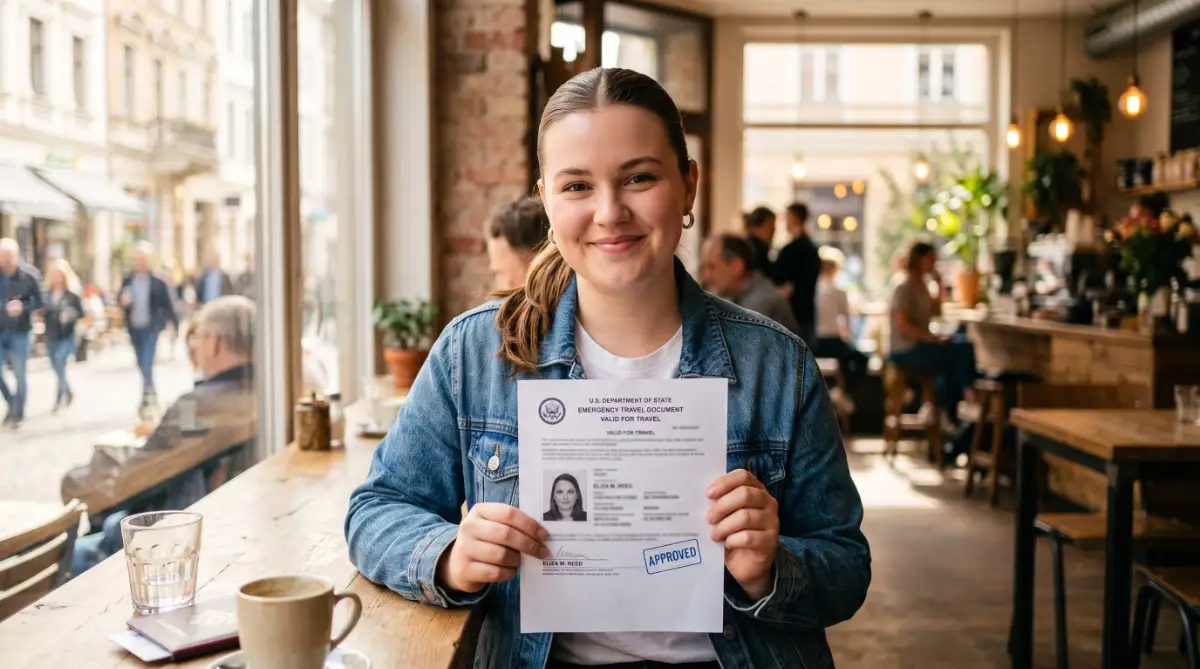
Reality: Usually, the embassy will give you an "Emergency Travel Document." This is a temporary paper that only lets you fly home. You will get a real passport once you are back in your own country.
Navigating the Embassy Appointment
Most embassies require an appointment, but for a lost passport, they often have "emergency walk-in" hours. Call them first to see if you can just show up.
When you get there, be polite but firm about your travel dates. If you have a flight in 24 hours, tell them immediately. They usually prioritize people with upcoming travel.
You will have to fill out a form (often called a DS-11 or similar, depending on your country). You will also have to pay a fee. Always carry some local cash and a credit card, as embassy payment systems can be picky.
The Power of Staying Calm and Patient
I know you want this fixed in five minutes. However, international bureaucracy takes time. You might have to wait a few hours or even a day for your papers to be ready.
Use this time to contact your airline. Tell them your situation. Some airlines are very helpful and will move your flight for free if you show them the police report.
Think of this as a "traveler's hurdle." It is annoying, yes. It is expensive, maybe. But it is just a story you will tell later. You are safe, and you are taking the right steps.
Preparing for the "New" Travel Experience
Once you have your emergency travel document, your journey will feel a bit different. This document is usually a single sheet or a thin booklet.
It often has a very short expiration date. Do not try to use it to go on a side trip to another country. Its only purpose is to get you home.
Important Note: Some countries require an "exit visa" if you are using an emergency passport. Ask the embassy staff if you need any extra stamps from the local immigration office before you go to the airport.
Smart Strategies for Handling the Aftermath
Once you have started the process at the embassy, you might feel a bit lost. You are waiting for your new papers, but life doesn't stop.
Most people who lose a passport also lose their wallet or bag at the same time. This creates a double problem: no ID and no money.
The first "pro-level" secret is knowing how to access emergency cash. If your credit cards were stolen along with your passport, contact your bank immediately.
Many high-end travel cards offer emergency cash wire transfers even if you don't have your physical card. This can be a lifesaver when you need to pay for a taxi to the embassy or a hotel for an extra night.
Having a solid emergency fund financial safety net is something every traveler should think about before leaving home. If you don't have one, this is the perfect time to learn why it matters.
You can also use services like Western Union to have a family member send you cash that you can pick up with a temporary ID.
Protecting Your Digital Identity While You Wait
In the modern world, losing a passport is often a sign that someone might try to steal your identity. Thieves who take bags are often looking for more than just cash.
They want your personal data. While you are sitting in a cafe or hotel lobby waiting for your embassy appointment, be careful with how you use the internet.
Always use a secure connection when logging into your bank or email to check for document scans.
Knowing how a VPN encrypts your data on public wi-fi networks is a skill that keeps your remaining assets safe. You do not want a hacker stealing your passwords while you are already dealing with a lost passport.
Change your passwords for your most important accounts as soon as possible. If your phone was also taken, use a remote wipe feature to clear your data.
This stops thieves from accessing your private photos or saved credit card details. Taking these digital steps will give you a much-needed sense of control during a chaotic time.
The Travel Insurance Conversation
Many travelers pay for insurance but never actually use it. If you have lost your passport, your insurance policy is your best friend.
Call your insurance provider's 24-hour emergency line. They often have experts who can guide you through the local bureaucracy.
They might also cover the costs of your replacement passport and any extra hotel stays. Keep every single receipt for things you buy because of this loss.
This includes the police report fee, the embassy fee, and even the cost of new passport photos.
When you get back home, you will need to file a claim. If you understand the process of how to apply for an international tourist visa without making common errors, you already know that paperwork must be perfect.
The same applies to insurance claims. One missing receipt could mean you don't get your money back.
How to Maintain Long-term Security for Future Trips
Once you survive this event, you will never want to go through it again. The secret to being a pro traveler is preparation.
Start by making three copies of your new passport. Keep one in your suitcase, one in your email, and leave one with a trusted friend at home.
Consider using a "dummy wallet." This is a cheap wallet with a bit of cash and expired cards that you can give to a mugger while your real ID stays hidden in a money belt. It sounds like something from a spy movie, but it works.
Also, learn to master your mind and stay calm under pressure for any future travel hiccups. When you stay calm, you make fewer mistakes.
You notice things faster, and you find solutions that others might miss. This mental strength is the most powerful tool in your travel bag.
💡 Expert Tip: The "Two-Step" Secret
I always tell my friends to carry $50 and a high-quality color copy of their passport photo page inside the sole of their shoe or hidden in a phone case. When everything else gets stolen, you still have the basic tools to pay for a taxi and show the police who you are. This tiny habit has saved more trips than I can count.
Blunders That Could Ruin Your Recovery
When you are stressed, it is very easy to make mistakes that turn a small problem into a huge disaster.
Here are the most common traps that people fall into when their passport goes missing. Avoiding these will save you days of frustration.
Mistake 1: Not Checking All Your Pockets Twice
This sounds simple, but you would be surprised how many people report a passport stolen only to find it at the bottom of their bag later.
Once you report a passport as lost or stolen to your government, it is cancelled forever. Even if you find it five minutes later, you cannot use it.
It is now a dead document. Always do a 100% thorough search before making that official phone call.
Mistake 2: Lying to the Local Police
Some people think they will get more help if they say they were robbed at knifepoint instead of saying they just lost their bag. This is a terrible idea.
If the police find out you are lying, you could face legal trouble in a foreign country. Just tell the truth. Whether it was a pickpocket or your own forgetfulness, the embassy just needs the official report to move forward.
Mistake 3: Forgetting About the Exit Visa
This is a trap that catches many travelers in countries like Russia or India. Your original entry stamp was in your lost passport. Some countries will not let you leave without a new "exit visa" placed in your emergency travel document.
Always ask the embassy staff if you need to visit a local immigration office before you head to the airport.
Mistake 4: Waiting Until the Weekend to Act
Embassies and government offices usually close on weekends and local holidays. If you lose your passport on a Friday night, you might be stuck until Monday morning. Do not wait.
Start the police report and online applications immediately. Every hour you wait is an hour you are stuck without a way home.
Mistake 5: Relying on a Photo Alone at the Airport
A photo of your passport on your phone is great for the embassy, but it will not get you through airport security. Some people think that showing a picture of their ID will let them board a plane.
It won't. You must have the physical emergency document in your hand. Trying to talk your way past security without it is a waste of time and will only cause more stress.
The Danger of Missing These Steps
If you ignore the police report or the official embassy channels, the risks are high. You could be detained by local authorities for not having a valid ID. You might also be banned from returning to that country in the future.
More importantly, a lost passport that isn't reported is a gold mine for criminals. They can use your identity to open bank accounts or travel under your name.
Reporting it immediately "kills" the document so no one else can use it. It protects your credit score and your legal reputation back home.
Your Roadmap to Future Adventures
Losing your passport is a test of your character, but it is not the end of your journey. Think of it as a masterclass in problem-solving.
You are learning how to navigate foreign systems, stay calm in a crisis, and advocate for yourself. These are skills that will make you a much better traveler for the rest of your life.
Take this experience and use it to build better habits. Maybe you will start using a hidden money belt, or perhaps you will always keep a backup of your files in the cloud. Whatever you learn, use it to fuel your next adventure with more confidence.
The world is still a beautiful place, and one lost document cannot take away the memories you have made. You have the steps, you have the plan, and you have the strength to handle this.
Before you know it, you will be sitting on a plane heading home with a great story to tell your friends.
Don't let this one bad day stop you from exploring. Travel is about the highs and the lows. This just happens to be one of the lows, but the climb back up will make you feel unstoppable.
Get your paperwork done, stay safe, and keep looking forward to your next destination.
Even though it feels like a total disaster right now, I promise you will get through this and be back in your own bed soon.
Take a deep breath, follow these steps one by one, and don’t let this single mistake steal the joy of your future trips. You are stronger than this situation, and soon this will just be a crazy story you tell at dinner parties!

FAQ (Frequently Asked Questions)
Q: Can I travel to another country with an emergency passport?
A: Usually, no. These documents are only meant to take you straight home or back to your home country.
Q: How much does an emergency passport cost?
A: It varies by country, but expect to pay between $100 and $200. Most embassies accept credit cards or local cash.
Q: Will the embassy pay for my flight home?
A: No. You are responsible for your travel costs. However, they can help you contact family members who can send money.
Disclaimer: This guide provides general information for educational purposes only. Passport laws and embassy procedures vary by country and change frequently. Always consult with your official government travel website or a legal professional for the most current and specific advice regarding your situation. NexVoraMag and the author are not responsible for any issues arising from the use of this information.