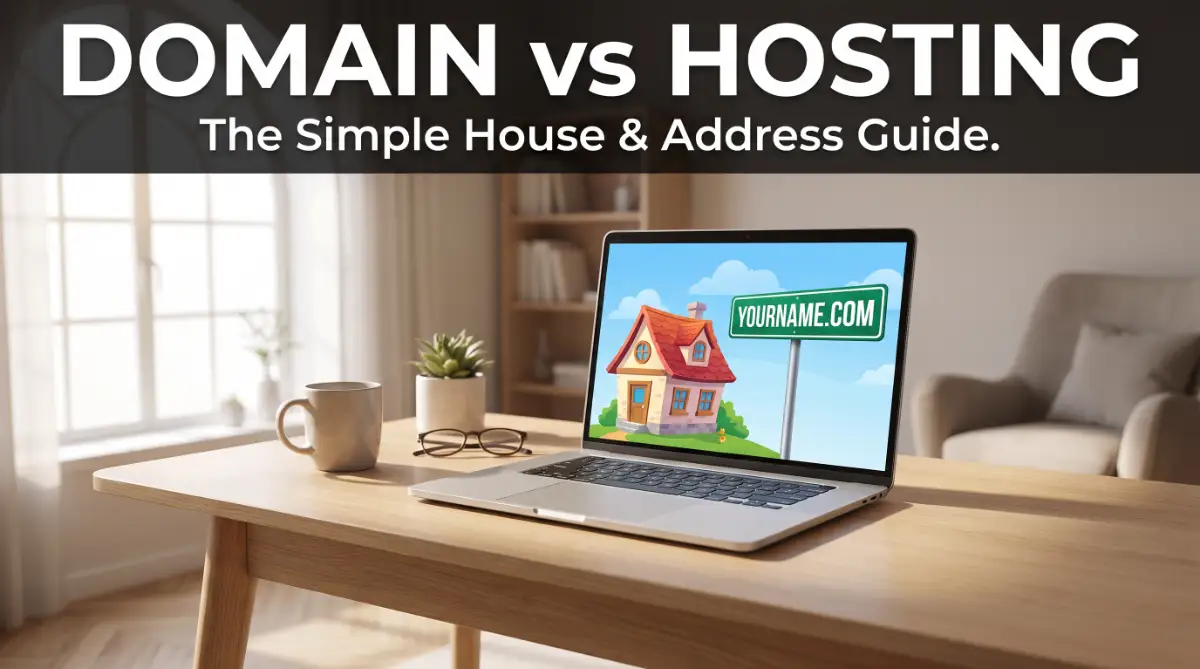
The Invisible Wall Between You and Your Business Success
I still remember the night I almost gave up on my first business. I spent six hours straight staring at my laptop, typing name after name into a search bar, only to see that "Domain Not Available" message over and over.
It felt like I was trying to buy a house in a city that was already full, and I honestly felt like crying because I thought I was too late to be successful.
You have a great idea. Your business plan is ready. You feel excited about the future. But then, you hit a massive wall.
You try to find a name for your website, and everything you like is already gone. It feels like every good word in the English language is taken by someone else.
This is a common struggle for many new business owners. You spend hours staring at a blank screen. You type in name after name, only to see the words "Domain Not Available." It is frustrating. It makes you feel like you are late to the party.
The pressure of picking the right name can be heavy. You know that this name will represent you for years. If you get it wrong, you might have to change it later.
That costs money and time. Many people feel stuck in this phase for weeks. They stop moving forward because they cannot find the "perfect" URL.
Why Finding the Right Name Feels Like an Impossible Task
Most people fail at this stage because they follow the wrong advice. They look for something too clever or too long. Here is why many people struggle to get this right:
- Searching without a plan: Most people just guess names instead of using a system.
- Overcomplicating the spelling: Using "unique" spellings makes it hard for people to find you.
- Ignoring the brand feel: A name might sound cool but it does not match the professional vibe of the business.
- Falling for bad extensions: Some people buy weird endings like .xyz or .biz because the .com was taken.
- Fear of making a mistake: The fear of being stuck with a bad name causes "analysis paralysis."
When you see your favorite names taken by "domain parkers," it feels unfair. You might even consider buying a domain for thousands of dollars. But for a new brand, that is often not the best move.
The Mental Burden of a Weak Brand Identity
Having a domain name that you are not proud of hurts your confidence. When you meet a potential client, you want to say your website address with pride.
If your domain is "my-best-consulting-service-city-one.net," it sounds messy. It feels unprofessional.
You start to worry about what people think. Will they trust a business with a long, hyphenated name? Probably not.
A bad domain name acts like a "keep out" sign for your customers. It creates a sense of doubt before they even see your work.
This doubt lives in your head too. It stops you from sharing your site on social media. It prevents you from printing business cards.
You feel like your digital house is built on a shaky foundation. You deserve a name that feels strong, clear, and professional.
The Long-Term Cost of Choosing the Wrong Address
If you pick a bad name now, you pay for it later. Changing a domain name is a technical nightmare. You lose your search engine rankings. Your old links stop working. Your email addresses have to change.
Think about the branding costs. You would have to update your logo, your ads, and your social media profiles. It is much cheaper and easier to spend time now to get it right.
A professional brand identity starts with a solid URL. It is the first thing people see in their browser bar. It is the core of your digital identity.
Without a clear name, your SEO efforts will also suffer. Search engines like names that make sense. Users like names they can remember. If your name is hard to type, people will make mistakes.
They will end up on a competitor's site instead of yours. This is why choosing the right name is not just a creative task; it is a business necessity.

A Clear Strategy for Your Professional Domain Name
Now that we understand the pain, let us look at the solution. You do not need to be a creative genius to find a great name. You just need a logical process. Follow these steps to find a domain that builds trust and authority.
Keep It Short, Simple, and Easy to Type
The best brands in the world have one thing in common. Their names are easy to say and easy to spell. Think about Apple, Google, or Nike. You want your domain to be the same. A short name is less likely to be misspelled.
If you have to spell out your domain name every time you say it, the name is too complex. Avoid using double letters.
For example, a name like "PressSetup.com" is tricky because of the double "s." People will often type only one "s" and get lost.
Try to keep your domain under 15 characters. Long domains are hard to remember. They also look cluttered on social media and mobile screens. Most people use their phones to browse today. A short URL fits better and looks cleaner.
A mistake I made early on was buying a weird .net domain just because it was cheap and available. I spent months explaining to people that it wasn't a .com, and I probably lost half my visitors to a competitor who owned the .com version of my name.
My realization was simple: if you can't get the .com you want, it is much better to add a small word like "get" or "try" to your name rather than settling for a confusing ending.
Why the .com Extension Is Still the King of Trust
There are hundreds of new endings like .agency, .expert, or .tech. While these can be fun, the .com extension is still the most trusted. Most people instinctively type .com when they look for a business.
If you choose a .net or a .org, you might lose traffic to the .com version of your name. It is a habit that is hard to break.
If your perfect name is taken in .com, try adding a small "verb" to the name. For example, if "Light.com" is taken, try "GetLight.com" or "UseLight.com."
Using a .com makes your brand look established. It tells the user that you are a serious professional. If you absolutely cannot get a .com, then .co or .net are the next best options. But always try for the .com first.
Make Your Name "Radio Test" Ready
What is the radio test? It is simple. If you said your domain name on the radio, would people know how to spell it? Or would they be confused? If your name uses numbers or hyphens, it fails the radio test.
Imagine saying "my dash business twenty four dot com." Is it "24" or "twenty-four"? Is the dash a hyphen or an underscore? This confusion kills your brand growth. Stick to letters only.
Avoid "slang" words that have multiple spellings. You want a name that is as clear as a bell. When someone hears it once, they should be able to type it perfectly the first time. This creates a smooth path for your customers to find you.
Confused about which name sounds the best? Watch this helpful video to see how the 'Radio Test' works in real life and learn how to pick a name that your customers will never forget!
Align Your Domain with Your Social Media Identity
Your brand identity is not just your website. It is also your presence on Facebook, Instagram, and LinkedIn.
Before purchasing a domain, verify that the name is available on social media platforms. Consistency across platforms builds massive trust.
It looks very professional when your website is "BrandName.com" and your Instagram is "@BrandName." It shows that you own the space. If the social handles are taken, you might want to rethink the name.
Having different names on different sites confuses your fans. They might follow the wrong account. Use free tools to check availability on all platforms at once. This saves you from a big headache later.
Avoid Legal Issues and Trademark Traps
Before you click the "buy" button, do a quick search for trademarks. You do not want to build a brand only to get a legal letter a month later.
Even if a domain is available, another company might own the trademark for that name.
Search the USPTO database or your local country's business registry. It only takes a few minutes but can save you thousands in legal fees.
Also, avoid names that are too close to famous brands. "Goggle.com" or "Face-book.biz" will only lead to trouble.
Being unique is not just about branding; it is about safety. You want a name that you can grow with. A name that belongs only to you. This gives you the freedom to build your reputation without any fear.
Use Keywords Wisely but Don't Overdo It
Keywords can help your SEO, but they should not make the name look like spam. If you are a plumber in London, "LondonPlumbing.com" is a good name. It tells people exactly what you do.
However, "Best-London-Plumbing-Repair-Service.com" looks like a scam. It is too long and looks robotic. Focus on your brand name first, and maybe one keyword. This keeps the name professional.
Think about how the name sounds when you answer the phone. "Thank you for calling London Plumbing" sounds great. The domain should match that feeling. It should feel like a real business, not just a search engine trick.
Think About the Future Growth of Your Brand
Don't pick a name that is too specific if you plan to grow. If you sell only shoes now, but might sell clothes later, don't use "OnlyShoes.com." A name like "StepStyle.com" gives you room to expand.
Changing your focus is natural in business. Your domain name should allow that. Choose a name that covers your industry but doesn't lock you in a box. This prevents the need for a rebrand in two or three years.
Ask yourself where you want to be in five years. Does this name still fit? If the answer is yes, you have found a winner. A professional brand identity is built for the long haul.
The Power of Brainstorming and Feedback
Don't do this alone. Write down at least twenty different options. Use a thesaurus to find related words that feel right. Sometimes a synonym can sound much more professional than the original word.
Once you have a short list, ask a few friends. Don't tell them why you like a name. Just show it to them and ask, "What does this sound like to you?" Their first impression is the most important data you will get.
If they think the name sounds cheap or confusing, listen to them. They are your potential audience. If they say it sounds high-end and trustworthy, you are on the right track. This feedback loop is the final step in picking a perfect domain.
Expert Insight: The Value of a "Brandable" Name
A "brandable" name is a word that doesn't have a specific meaning but sounds right. Think of "Kodak" or "Lego." These names are great because they are unique. They are easy to trademark.
If you cannot find a "keyword" name, try creating a brandable name. It gives you a blank slate to build your reputation. It makes you stand out from all the generic businesses in your field.
Professional brands often go this way because it feels more "corporate" and established. It shows that you are here to build something new, not just copy what others are doing. This is a very strong move for long-term brand identity.
Final Check Before You Purchase
Once you find the one, take a deep breath. Check the spelling one last time. Read the name out loud to make sure it doesn't accidentally spell something weird when the words are pushed together.
For example, a site for "Power Generators" could be "PowerGen.com," but "PowerGens.com" might look different to some people. Be careful with how words connect.
If everything looks good, buy it immediately. Good domains don't stay available for long. Once you own it, you have the key to your new professional home. You are ready to show the world who you are.
Secrets to Protecting and Securing Your Digital Real Estate
You have likely found a few names that sound good. But picking a name is just the first part of the journey. To truly own your space, you need to think like a pro. This means looking at things that most beginners ignore.
One of the most important things is checking the history of the domain. You might find a name that is "available," but it might have been used before. If the previous owner used it for spam, search engines might still have it on a blacklist.
You can use tools like the Wayback Machine to see what was on that site years ago. It is like buying a used car.
You want to make sure it doesn't have a hidden "accident" history. A clean history makes understanding the impact of keyword research on search engine ranking much easier for your site.
The Shield of Domain Privacy
When you register a domain, your name, email, and phone number are added to a public list. This list is called WHOIS. If you do not protect this, you will get hundreds of spam calls and emails.
Most high-quality registrars offer "Domain Privacy" or "WHOIS Privacy." I always recommend turning this on. It keeps your personal details hidden from the public eye.
Think of it as having a private unlisted phone number. It protects you from scammers and identity thieves. It also keeps your business looking professional because your private home address won't be linked to your URL.
Why You Should Buy Close Variations
If you buy "MyBrand.com," you might also want to grab "MyBrand.net" or "MyBrand.org." Why spend the extra money? Because it stops others from stealing your traffic.
Imagine a competitor buying the .net version of your name. They could trick your customers into going to their site instead. This is a common tactic called "typosquatting."
By owning the main variations, you create a "safety bubble" around your brand. You can simply redirect those other domains to your main .com site.
This is a smart move that every small business should validate before they get too big to handle it.
Locking Your Domain for Long-Term Peace
Domain theft is a real thing. Hackers try to break into accounts to transfer domains to themselves. Once a domain is gone, it is very hard to get back.
Always enable "Registrar Lock" on your domain settings. This prevents anyone from moving your domain without your direct permission. It is a simple toggle switch that provides a lot of security.
Also, use Two-Factor Authentication (2FA) for your registrar account. This is the same security you use for your bank. It ensures that only you can make changes to your brand's digital home.
Planning for the "Auto-Renewal" Trap
The saddest way to lose a brand is by forgetting to pay the bill. If your domain expires, someone else can buy it within minutes. They might then try to sell it back to you for thousands of dollars.
I suggest setting your domain to "Auto-Renew." Also, keep your credit card information up to date. If your card expires, the renewal will fail.
Check your domain status at least once every few months. It only takes a minute but saves you from a total disaster. You can learn more about how domains work compared to storage in this domain vs hosting house address guide.
The Power of Local Extensions for Global Brands
If you are only doing business in one country, like the UK or Canada, consider a local extension. Names like .co.uk or .ca can build huge trust with local people.
People feel safer buying from a site that looks like it belongs in their neighborhood. It shows that you follow local laws and shipping rules.
However, if you want to go global, stick to .com. It is the universal language of the internet. Think about where you want to be in the next few years before you decide.

Mistakes That Can Destroy Your Brand’s Reputation
Even with a good name, you can fall into some nasty traps. Most people make these mistakes because they want to save a few dollars. Or they are in too much of a hurry.
One big mistake is using "Double Letters" in a row. For example, "BusinessSolutions.com" has two 's' sounds next to each other. People will often type it as "BusinesSolutions.com" and fail to find you.
This leads to a loss of visitors and frustrated customers. Always choose a name that flows smoothly without any "bumps" in the spelling.
Using Hyphens and Numbers Like a Rookie
Hyphens are the enemy of a professional brand identity. If you tell someone your site is "Top-Consulting.com," they will forget the dash. They will type "TopConsulting.com" and end up on your competitor's site.
Numbers are just as bad. Using a "2" instead of "to" or a "4" instead of "for" makes you look cheap. It looks like a hobby site rather than a real company.
Stick to plain, simple letters. If you can't get the name without a hyphen, you need a different name. It is better to have a slightly longer name than one with symbols that confuse people.
Buying Based Only on Price
It is tempting to go with the cheapest registrar you find. But some low-cost companies make it very hard to leave later. They might charge huge fees to transfer your domain to a different company.
They might also have terrible customer support. If your site goes down, you want to talk to a human, not a robot. Always choose a well-known, trusted registrar.
Saving five dollars a year is not worth the stress of a bad service provider. Bad service can be as bad as hosting that is quietly killing your business without you even knowing it.
Ignoring the Social Media Handle Check
A domain is only one piece of the puzzle. You also need the same name on Facebook, Pinterest, and Instagram. If you buy the domain but find out the Instagram name is taken by a parody account, you have a problem.
This creates a "split" in your brand identity. People will search for you on social media and find someone else. It is confusing and looks disorganized.
Before you spend a single cent, check a site like "Namechk." It scans dozens of social platforms at once. If the name is free everywhere, then you have found a real winner.
Using Trademarked Terms Accurately
You might think using the word "Insta" or "Face" in your domain is clever. But big companies like Meta (Facebook) are very protective of their names. They will take your domain away if it even looks like their brand.
This is called "Trademark Infringement." It can lead to your site being shut down overnight. You could also face a lawsuit that costs more than your entire business.
Be 100% original. Don't try to ride on the coattails of another brand's success. It is much safer to build your own unique identity from the ground up.
Picking a Name That Is Too Hard to Say
If your domain name is a "tongue twister," it will never go viral. Word-of-mouth marketing is the best kind of marketing. But people have to be able to say the name easily.
If your brand name sounds like a bunch of random letters, people won't talk about it. They will feel embarrassed because they might say it wrong.
A good name should sound "natural" in a sentence. It should have a rhythm. Test it by saying it ten times fast. If you stumble, your customers will too.
Your Path to a Strong and Lasting Digital Brand
Choosing a domain is a huge milestone. It is the moment your idea becomes a real, living thing on the internet. It is the address where you will welcome your future clients and fans.
Remember to keep it simple and keep it honest. Don't try to trick people with weird spellings or confusing extensions. The more clear you are, the more people will trust you.
This trust is the secret ingredient for any successful online business. When someone sees your professional URL, they should feel confident. They should know that they are in the right place.
Action Steps for Your Brand Launch
Don't let the search for "perfection" stop you from moving forward. A very good name today is better than a perfect name that you never find. Use the tips we discussed to narrow down your list.
Once you have your top three choices, check for trademarks. Then, check the social media handles. If everything is clear, go ahead and make the purchase.
Ownership is the start of your journey. Once the domain is in your name, the real fun begins. You can start building your site, setting up your email, and sharing your vision with the world.
A Final Word of Encouragement
You have the tools and the knowledge to make a great choice. You understand the importance of history, privacy, and simplicity. You know which mistakes to avoid to keep your brand safe.
Your professional brand identity is waiting for its name. Take a moment to think about your goals and your values. The right domain name is out there, and you are now ready to find it.
Go out there and claim your digital home. Your future customers are waiting to find you. With a solid domain, you are giving them the map to your success.
Finding my perfect domain was the exact moment my business finally felt real to me. Don't let the fear of making a mistake keep you stuck in the same spot for weeks.
Once you grab that URL and see your name in the browser bar, you will feel a massive weight lift off your shoulders and be ready to win.
Disclaimer: The information provided in this article is for educational and informational purposes only. While we strive to provide accurate and up-to-date advice on domain selection and brand identity, we are not legal experts. Trademark laws vary by country and region.
We highly recommend consulting with a legal professional or a trademark specialist before making a final decision on a business name or domain. We are not responsible for any legal issues, domain disputes, or business losses that may arise from using the tips mentioned in this guide. Always perform your own due diligence before purchasing digital assets.