Why Your Solar Panels Are Producing Less Power Than They Should
I still remember the day I got my solar panels installed. I felt like a genius who had finally beaten the power company.
But a few months ago, I looked at my energy bill and felt my heart sink—it was almost as high as before I went solar.
I spent days worrying if I’d just wasted thousands of dollars, staring up at my roof and wondering what went wrong.
I realized then that I couldn't just "set it and forget it" if I wanted to keep those savings alive.
You spent a lot of money to go solar. You felt great about saving the planet and cutting your power bills.
But lately, you might have noticed a frustrating change. Your energy bills are starting to climb back up, even though the sun is out.
It feels like you are losing the "free energy" you were promised. You look up at your roof, and everything seems okay, but the numbers on your meter say something else.
This is a common struggle for many homeowners. It is annoying to see a big investment underperform when you need it most.
You might feel like you made a mistake or that the technology is failing you. But the truth is usually much simpler and easier to fix.
Why Homeowners Struggle to Find the Right Solar Advice
Most people do not know how to care for their panels. There is a lot of confusing information out there that makes things worse.
- The Rain Myth: Many think rain will clean their panels, but rain often leaves behind dirt streaks and mud.
- Safety Fears: People are afraid to go near their roof, so they just ignore the panels for years.
- Wrong Tools: Some try to use harsh chemicals or rough brushes that scratch the glass and cause permanent damage.
- Hidden Shadows: Owners don't notice that a nearby tree has grown just enough to block the sun for two hours a day.
- Technical Confusion: Many people never look at their monitoring app because it looks too complicated.
Because of these issues, your panels might be working at only 70% of their true strength. That is like leaving money on the table every single month.
The Hidden Cost of Neglecting Your Solar System
When your solar system starts to fail, it creates a lot of silent stress. You worry about your return on investment and wonder if you will ever break even.
The confidence you had when you first installed the system starts to fade. You might even stop telling your friends about the benefits of solar because you aren't seeing them anymore.
It is hard to enjoy your home when you feel like a major part of it is broken or "lazy." This mental burden can make you feel stuck and unsure of what to do next.
You want a home that runs smoothly without you having to worry every time you turn on the air conditioner. You deserve the peace of mind that comes with a perfectly working system.
Let’s look at how we can fix this and get your savings back on track with some simple, honest steps.
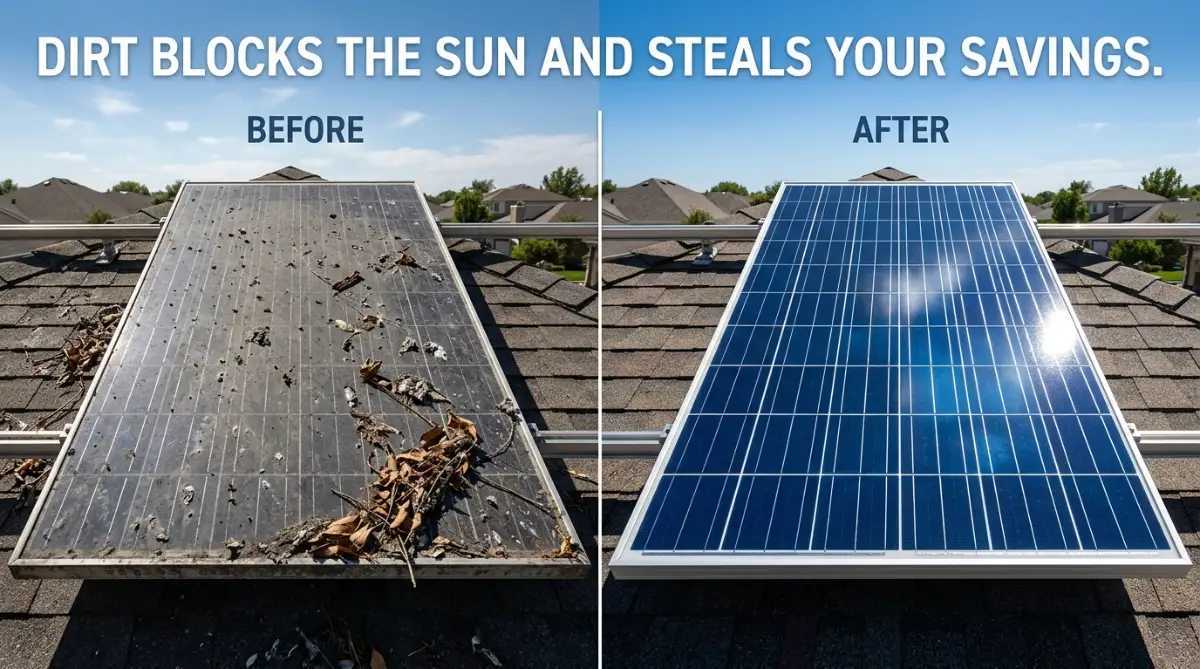
1. The Power of a Gentle Surface Clean
The most common reason for a drop in power is simple dirt. Over time, a thin layer of dust, pollen, and bird droppings builds up on the glass.
Think of it like a dirty windshield on your car. If you can’t see through it well, the solar cells can’t "see" the sun.
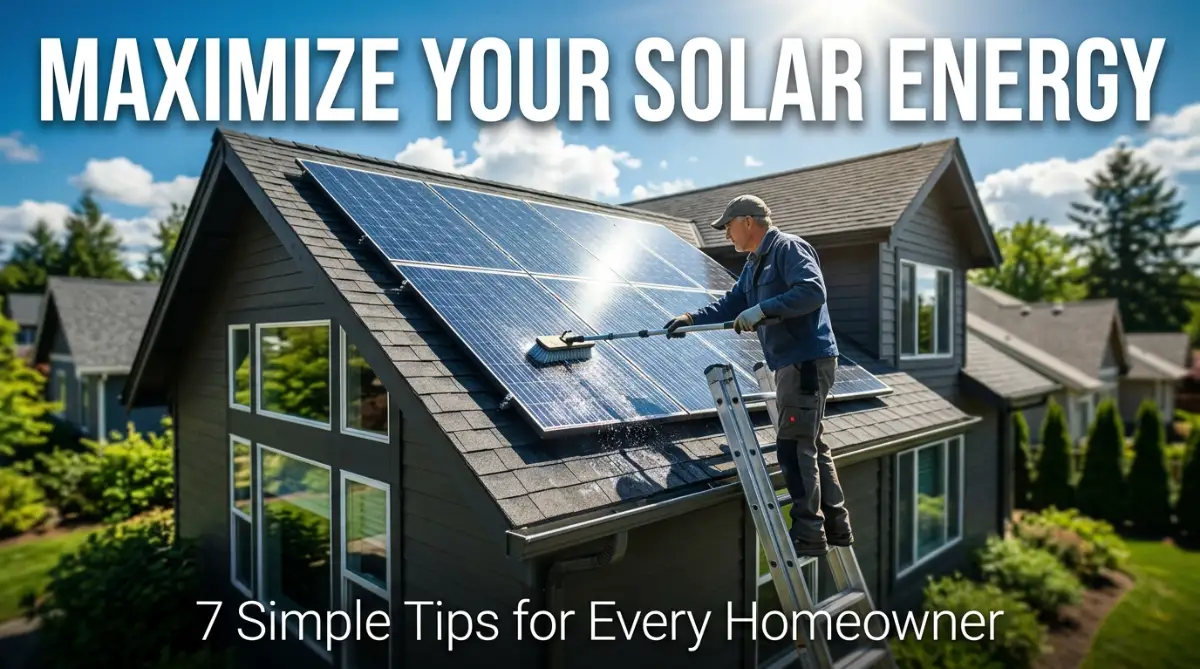
You don't need fancy machines or expensive soaps to fix this. In most cases, a simple garden hose and a soft cloth will do the job.
Here is a mistake I made that cost me a lot of time: I once tried to spray my panels down during a hot afternoon, and the water dried so fast it left thick white spots everywhere.
My "cleaning" actually made my power output drop even more because of the mineral buildup.
Now, I only clean them at dawn when the glass is cool, and I always use a squeegee to make sure the surface is crystal clear before the sun hits it.
Pro Tip: Always clean your panels in the early morning or late evening. If you spray cold water on hot glass during the middle of the day, the panels could crack from the sudden temperature change.
Avoid using high-pressure power washers. The force can damage the seals that keep water out of the electrical parts.
2. Keep an Eye on Growing Shadows
Nature is always changing, and your yard is no different. A tree that was small when you installed your panels might now be a big problem.
Even a small shadow from one branch can significantly lower the output of a whole string of panels. This is because many systems are connected in a way that one "dark" panel slows down the others.
Take a walk around your house at different times of the day. Look for any new shadows that fall across the roof.
Trimming back a few branches can sometimes give you a 10% or 20% boost in power overnight. It is one of the most effective ways to ensure peak efficiency.
3. Use Your Monitoring App Like a Pro
Most modern solar systems come with a free app or a web dashboard. This is your best friend when it comes to maintenance.
Don't just look at the total energy produced. Look at the daily graphs and compare them to the weather.
If the sky is clear but your production is low, you know something is wrong. Some apps can even tell you if a specific panel is acting up.
Checking your app once a week helps you catch problems before they turn into big repair bills. It gives you back the control over your home's energy.
4. Remove Debris from the Mounting Racks
Sometimes, the problem isn't on top of the panels, but underneath them. Leaves, twigs, and even bird nests can get stuck in the gaps.
When debris builds up under the panels, it blocks the airflow. Solar panels actually work better when they stay cool.
If air cannot flow under the panels, they get too hot. High heat makes the solar cells less efficient, meaning they produce less electricity from the same amount of sun.
Check the edges of your solar array for any stuck leaves or trash. Keeping the area clear helps your system "breathe" and stay at the right temperature.
5. Check for Physical Damage After Storms
Big storms, hail, or high winds can sometimes cause small cracks or loose connections. You might not see them from the ground.
After a major weather event, it is a good idea to do a visual check. Look for any glass that looks shattered or any wires that seem to be hanging loose.
If you see something that looks broken, do not touch it yourself. Solar systems carry high-voltage electricity and can be dangerous.
Call a professional to handle any electrical repairs. Your job is just to notice the problem so it can be fixed quickly.
Want to see exactly how to wash your panels without scratching the glass or causing damage? Watch this quick video to see the "gentle" cleaning method in action, then keep reading below to learn about the hidden shadows that might be stealing your power!
6. The "Myth of Self-Cleaning" Panels
Some companies tell you that panels are "self-cleaning" because they are tilted. While the tilt helps the rain wash away some dirt, it is rarely enough.
In areas with high pollution or lots of birds, the "self-cleaning" effect doesn't work well. Sticky substances like tree sap or bird droppings will not wash away with just rain.
If you live near a busy road, a greasy film can build up that actually attracts more dust. You should still plan to do a manual clean at least twice a year.
Think of it like your house windows. They are vertical, but they still get dirty and need a wash, right? Your solar panels are the same.
7. Schedule a Professional Health Check
You can do a lot of the cleaning and monitoring yourself. But every few years, it is smart to bring in an expert.
A professional technician can check the "health" of your inverter and the internal wiring. They have tools to measure the exact voltage of every part of the system.
They can also check for signs of "hot spots." These are tiny areas on a panel that get too hot and could lead to a fire if not fixed.
A professional check-up is a small price to pay for the safety and long life of your system. It keeps your warranty valid and your mind at ease.
How Seasonal Changes Affect Your Maintenance Needs
Your maintenance plan should change with the seasons. In the spring, pollen is your biggest enemy.
During the summer, heat is the main issue, so making sure air can flow under the panels is key. In the fall, falling leaves are the main thing to watch for.
If you live in an area with snow, you might wonder if you should clear it off. Most of the time, the sun will melt the snow quickly because the panels are dark.
However, if a thick layer stays for days, you might want to use a soft "snow rake" designed for solar panels. Never use a metal shovel, or you will ruin your investment!
Myth vs. Reality: Solar Maintenance
Why Efficiency Matters More Than You Think
Small losses in energy add up over time. If you lose just 5% of your power each year due to dirt, that is hundreds of dollars lost over a decade.
By keeping your panels at peak efficiency, you are making sure your system lasts for 25 years or more. A clean system runs cooler and experiences less "stress" on the components.
It also helps you reach your "payback point" much faster. The more energy your panels make, the faster they pay for themselves.
Thoughts for Every Solar Owner
Maintaining your solar panels doesn't have to be a big project. It is really about paying attention to the small things.
Keep them clean, watch for shadows, and check your app. These three simple habits will keep your home powered by the sun for a long time.
You have the power to protect your investment and save more money. Start today by just looking at your panels and seeing what they need.
Mastering the Tech Behind Your Energy Savings
Cleaning the glass is a great start, but keeping your system at peak performance requires looking a bit deeper. Most homeowners focus only on what they can see, but the real magic happens in the wires and boxes.
The heart of your solar setup is the inverter. This device converts the raw energy from the sun into the electricity your fridge and TV use.
If your inverter is dusty or tucked away in a hot, unventilated corner, it will struggle. It works harder and gets hotter, which reduces its lifespan and wastes energy.
Make it a habit to check the area around your inverter every few months. Ensure there are no spider webs, dust buildup, or items stacked against it that block airflow.
You can also check the small LED lights or the digital display on the inverter unit. If you see a red light or a strange error code, don't wait for the system to stop working entirely.
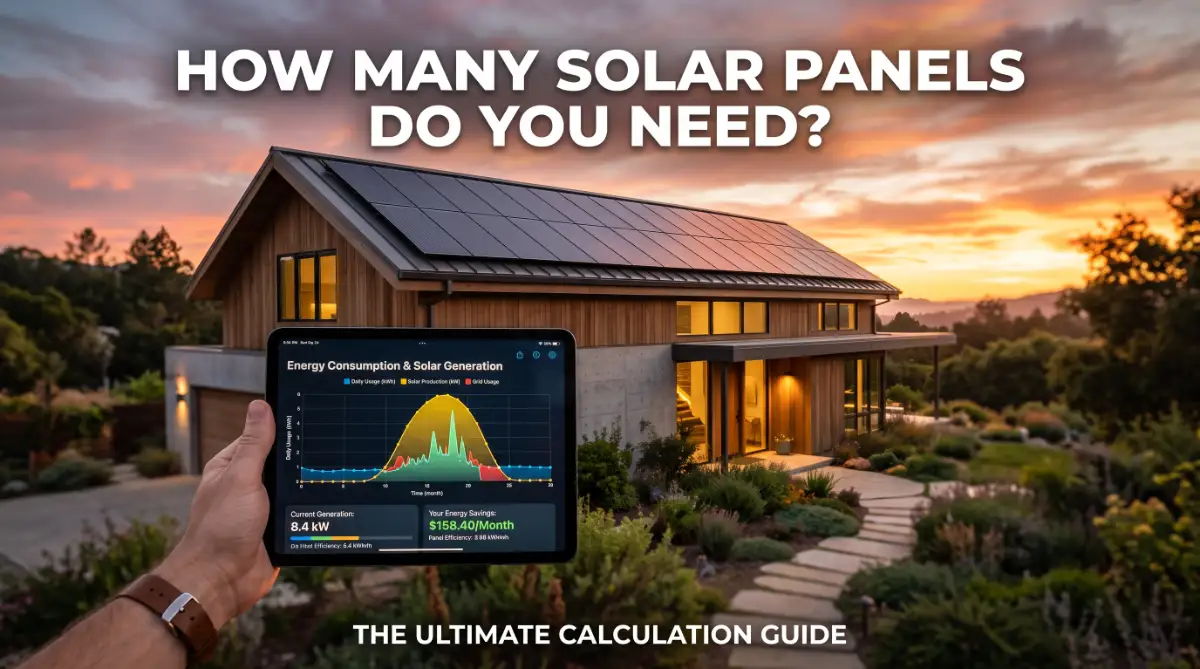
Understanding how your hardware operates is the first step toward long-term savings. If you are still in the planning phase or looking to expand, it helps to calculate the actual solar panel requirements for your home energy consumption to ensure your hardware is sized correctly for your needs.
Solving the Mystery of Mineral Deposits and Hard Water
Many people make a big mistake by using tap water to clean their panels without checking their water quality. If you live in an area with "hard water," you are actually adding a layer of film instead of removing one.
Hard water is full of minerals like calcium and magnesium. When the water evaporates on a hot panel, these minerals stay behind as white, crusty spots.
These spots act like tiny umbrellas, shading the solar cells underneath. Over time, these spots can become very hard to remove and will permanently lower your power output.
If you notice white streaks after cleaning, you should use a water softener attachment for your hose. Alternatively, use a squeegee to remove every drop of water before it has a chance to dry in the sun.
This attention to detail is what separates a casual owner from an energy expert. It ensures that every square inch of your system is catching as much light as possible.
According to the Solar Energy Industries Association (SEIA), proper system maintenance is a major factor in reaching your long-term financial goals with renewable energy.
Preventing Micro-Cracks and Protecting the Cells
Solar panels look like solid sheets of glass, but they are actually quite sensitive. The silicon cells inside are thinner than a human hair and can develop "micro-cracks."
You cannot see these cracks with your eyes, but they break the flow of electricity. They are often caused by people stepping on the panels or using heavy tools during maintenance.
Never walk on your solar panels, even if they feel sturdy. The pressure from your weight creates invisible damage that grows every time the panel heats up and cools down.
Also, be careful with the way you handle your cleaning tools. A gentle touch is always better than using force to scrub away a stain.
Think of your panels as a long-term financial asset. You wouldn't throw rocks at your car or walk on your laptop, so treat your roof with the same level of respect.
The Expert Guide to Long-Term System Health
Maintaining high efficiency is not a one-time event; it is a way of living with green technology. To keep your results consistent, you need a strategy that looks at the whole house.
Your solar panels are part of a bigger energy ecosystem. If your home is leaking heat or using old, power-hungry lightbulbs, your solar panels have to work twice as hard.
You can get even more value from your system if you lower monthly utility bills through sustainable home energy habits to reduce your total energy demand. This allows your solar system to cover a larger percentage of your daily needs.
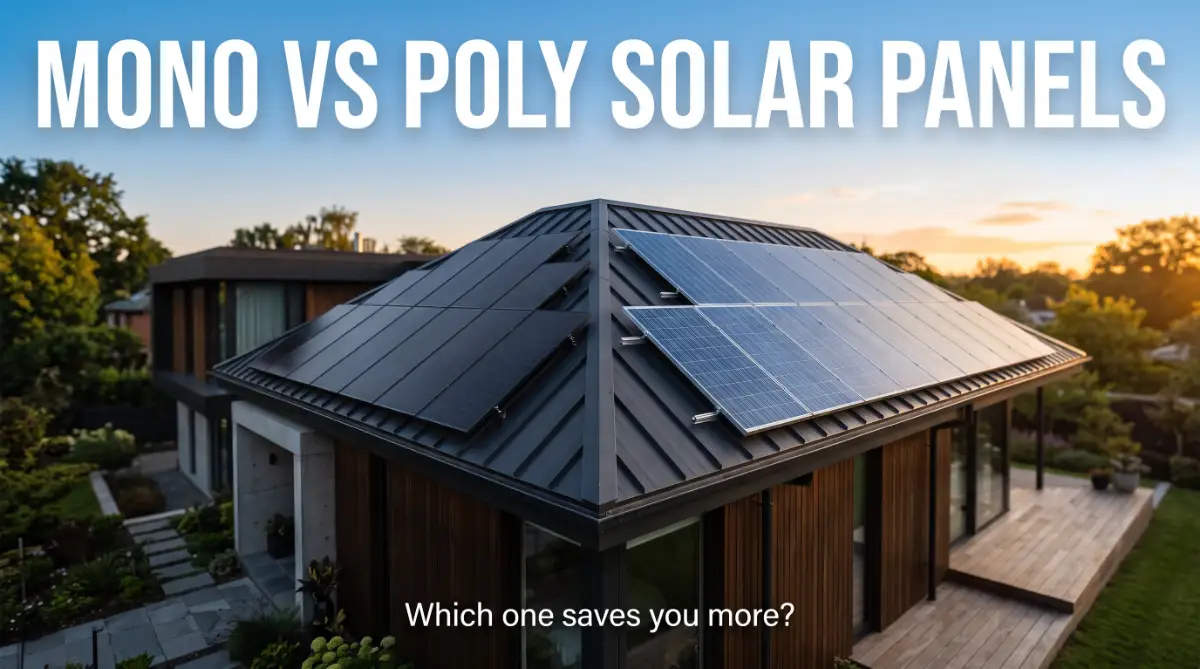
Depending on whether you have mono vs poly solar panels, the surface sensitivity might vary slightly, but the general cleaning rules remain the same. Knowing the type of technology you have helps you choose the right care routine.
While you are busy working on your roof or checking your yard, don't forget your own safety. It is easy to spend an hour in the sun without realizing it, so always protect your skin from sun damage during outdoor activities.
Dangerous Mistakes That Can Ruin Your Solar Investment
It is easy to get over-excited and want to clean your panels perfectly, but some methods do more harm than good.
I have seen homeowners destroy thousands of dollars of equipment in just a few minutes of "cleaning."
The first big mistake is using a high-pressure washer. While it seems fast, the intense water pressure can force its way under the glass or into the electrical junction boxes.
Once moisture gets inside those seals, the panel is basically ruined. It will start to corrode from the inside out, and your warranty likely won't cover it.
Another common pitfall is using common household soaps or window cleaners. Many of these contain chemicals that leave a sticky residue or a dull film on the glass.
This residue actually attracts more dust than a clean panel would. Stick to plain water or a very mild, specialized solar cleaner if you truly need it.
Why You Should Never Scrape or Scrub Hard
If you find a stubborn bit of bird mess or tree sap, you might be tempted to use a metal scraper or a kitchen sponge. Please, put those tools away!
The glass on a solar panel has a special anti-reflective coating. This coating helps the panel soak up more light instead of reflecting it away like a mirror.
If you scratch this coating, you lose that efficiency forever. Scratches also create tiny "pockets" where dirt can hide, making future cleanings much harder.
Instead of scrubbing, let a wet cloth sit over the stubborn spot for ten minutes. This will soften the debris so it can be wiped away with almost zero pressure.
Patience is your best tool when it comes to protecting the delicate surface of your energy system.
Avoid the "Thermal Shock" Trap
I mentioned this briefly before, but it is worth repeating because it is the fastest way to shatter your panels. Never clean your panels when they are hot to the touch.
On a sunny afternoon, the glass on your roof can reach very high temperatures. If you hit that hot glass with a stream of cool water from your hose, the glass can explode.
It is the same reason you don't put a cold glass dish into a hot oven. The sudden change in temperature causes the material to expand or contract too quickly.
Always plan your maintenance for a cloudy day or very early in the morning. Not only is it safer for the panels, but the water won't evaporate as fast, which prevents those annoying water spots.
The Risk of Neglecting Your Battery and Storage
If your system includes a battery backup, you cannot afford to ignore it. A battery that is kept in a dusty or poorly ventilated area will lose its capacity quickly.
Check the terminals for any signs of white crusty buildup, which is a sign of corrosion. Ensure the temperature in the room where the battery sits stays within the manufacturer's recommended range.
A failing battery can actually put a "drag" on your solar panels, making the whole system less efficient. Keeping your storage healthy is just as important as keeping the panels clean.
Research from the National Renewable Energy Laboratory (NREL) shows that temperature management is the number one factor in battery longevity.
A Daily Action Plan for Maximum Solar Success
You don't need to be a scientist to have a high-performing solar home. You just need to be observant and consistent with your care.
Start by making solar health a part of your weekend routine. A quick five-minute look at your app or your inverter can save you from a massive headache later in the month.
The most successful solar owners are the ones who treat their system like a living thing. They trim the trees, clear the dust, and keep an eye on the numbers.
When you take care of your panels, they take care of you. They provide the power that keeps your family comfortable and your bank account full.
Your Path to a Lower Bill and a Greener Future
Owning a solar system is a journey, and you are now equipped with the best map possible. By following these steps, you are doing more than just cleaning glass; you are securing your energy future.
There is a great sense of pride in seeing your meter spin backward or your battery hit 100% early in the day. It shows that you are in control of your resources.
Don't let the fear of doing it wrong stop you from starting. Most maintenance is simple, safe, and very rewarding once you see the results on your next bill.
The sun is going to rise tomorrow, and your panels will be there waiting. Make sure they are ready to do their best work for you.
Go ahead and grab your hose or open your monitoring app right now. Today is the perfect day to start maximizing your savings and protecting your beautiful home investment.
Trust me, the feeling of seeing your meter spin backward again is worth the small effort. I started with just a simple hose-down and a quick check on my app, and it felt like my home was finally "awake" again.
Don’t wait for a huge bill to surprise you—go outside, take a look at your roof, and reclaim the free energy you worked so hard to get.
Disclaimer: The information provided in this article is for educational purposes only. Working on roofs and with electrical systems involves risks. Always follow the safety guidelines provided by your solar manufacturer and local laws. If you are unsure about performing maintenance yourself, please consult with a certified solar professional to avoid injury or damage to your property.