The Quiet Frustration of a Cloudy Day
I remember the first week I had my solar panels installed. I was so excited to see my electric meter spinning backward. I spent hours staring at the app on my phone, watching the watts climb higher and higher as the sun hit its peak.
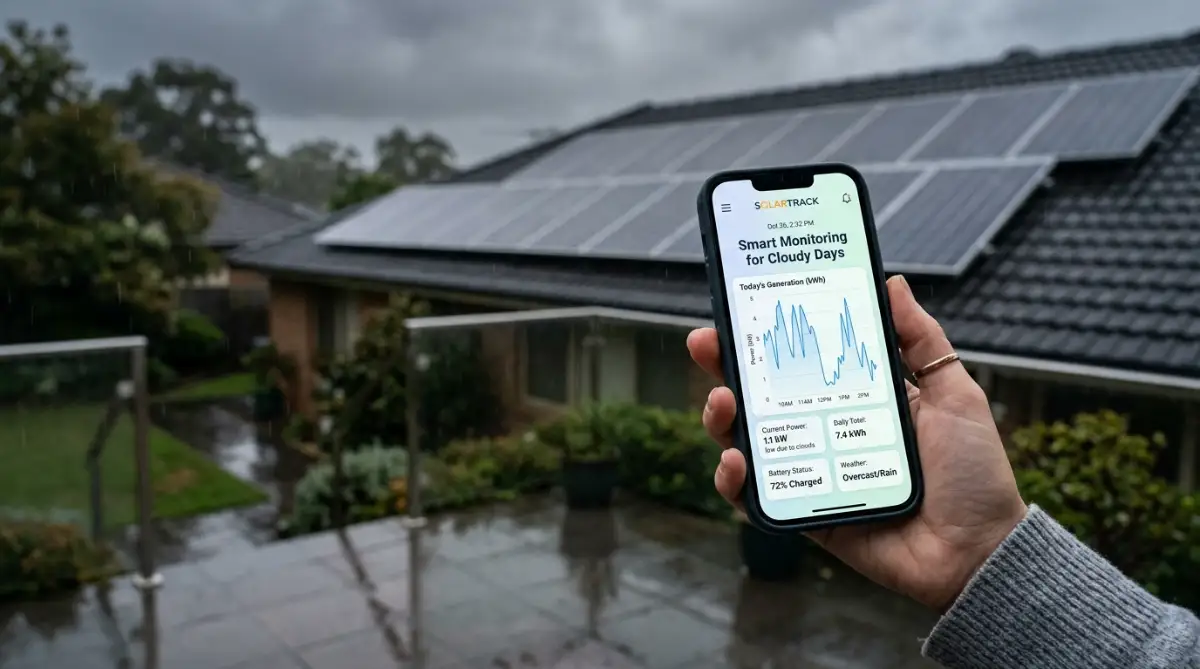
Then came the first rainy Tuesday. I woke up to a dark, grey sky and the sound of raindrops on my roof. My heart sank immediately. I opened my app and saw a tiny fraction of the energy I was used to seeing.
I felt like I had made a huge mistake. I started worrying that my expensive investment was only good for half the year. I even felt a bit of anger at the salesman who told me solar was a "set it and forget it" solution.
If you are reading this, you probably feel that same knot in your stomach. You look at a passing cloud or a shadow from your neighbor's tree and see dollar signs disappearing. It is stressful to feel like you are at the mercy of the weather every single day.
Many homeowners deal with this mental weight. We want to be green and save money, but the science of light can feel confusing and unfair. It feels like the clouds are stealing from your pocket, and the shadows are hiding your savings.
I am here to tell you that I found a way out of that worry. Once I learned exactly how light works with my panels, the fear went away. I stopped guessing and started understanding, and it made all the difference in my peace of mind.
The Surprising Truth About Diffuse Light
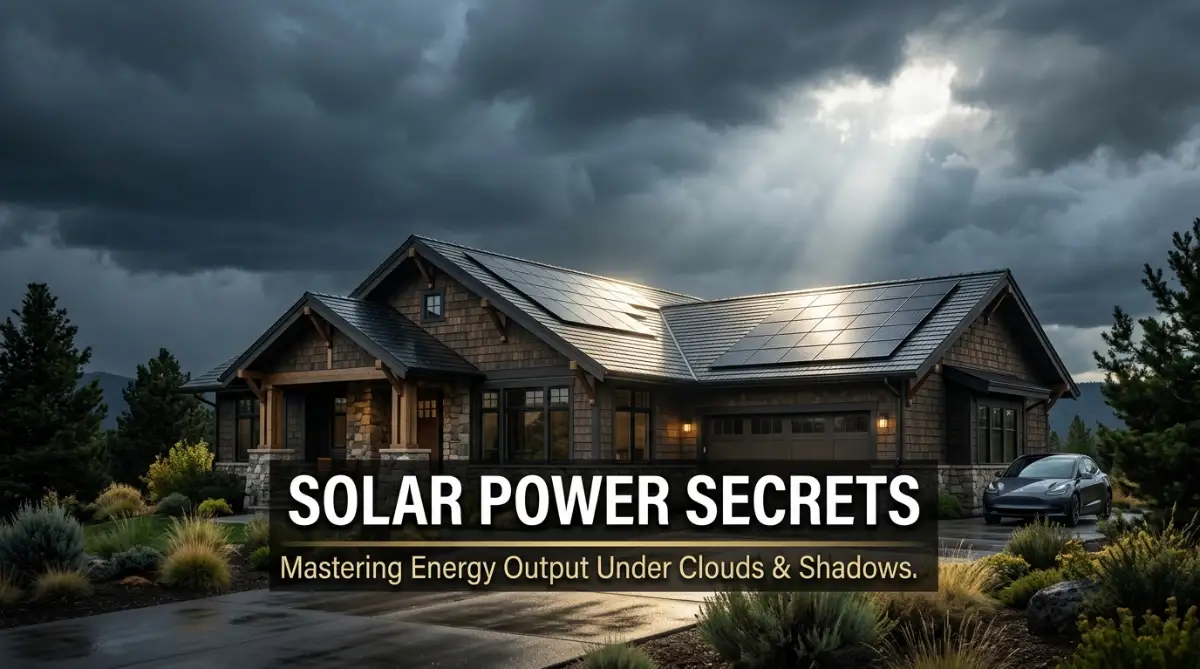
One of the biggest things I learned is that solar panels do not need direct, scorching sunlight to work. They just need light. Even on a very cloudy day, there is still light hitting the ground.
Scientists call this "diffuse light." Think of it like being in a room with a window but no direct sun coming in. You can still see everything because the light is bouncing off the clouds and the atmosphere.
Your solar panels are actually quite smart at catching this bouncing light. While they won't produce as much as they do on a clear summer day, they are still working for you. Some panels are even specifically designed to be better at catching these scattered rays.
Why One Tiny Shadow Is a Big Deal
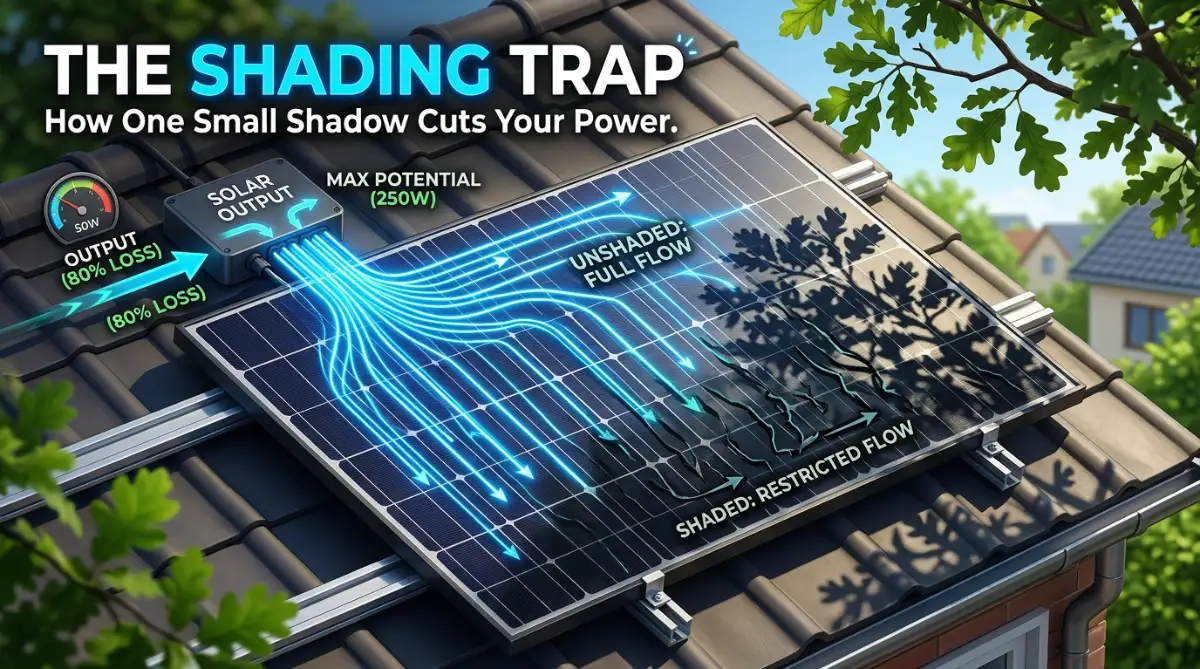
This was a hard lesson for me to learn. I had a small tree in my yard with just one branch hanging over a corner of my roof. I thought, "It is just a tiny shadow, it won't matter."
I was completely wrong. In many traditional solar setups, the panels are linked together like a string of old Christmas lights. If one bulb goes out, the whole string goes dark.
Shading works in a similar way. If a shadow covers just 10% of one panel, it can sometimes cut the power of the entire string by half or more. It creates a bottleneck, like a kink in a garden hose that stops all the water from flowing.
Understanding the Hard and Soft Shadow Gap
Not all shadows are created equal. I used to think a shadow was just a shadow, but there is a big difference between a "hard" shadow and a "soft" shadow.
A hard shadow comes from something solid and close, like a chimney or a vent pipe. These are the real energy killers because they completely block the light. They are very predictable, which makes them easier to plan for.
A soft shadow comes from something farther away, like a tall tree across the street or a thin layer of clouds. These are less intense but can still bring down your numbers.
Learning to spot these different types of shade helped me realize which trees I needed to trim and which ones were fine.
The Secret Role of Panel Temperature
Here is something that sounds like a lie but is actually true: solar panels actually like cool weather. On a perfectly clear, hot day, panels can get too hot and become less efficient.
Cloudy days often come with cooler temperatures and wind. Sometimes, a "partly cloudy" day can actually give you surprising bursts of energy. This happens because the clouds keep the panels cool, and the bright sun peaks through with high intensity.
I noticed that my panels sometimes performed better on a breezy, 65-degree day with a few clouds than on a 100-degree day with no clouds at all. It was a huge relief to realize that the heat isn't always my friend.
How Modern Tech Fights the Shadows
When I first started looking into this, I felt hopeless about my shade problem. But then I discovered microinverters and power optimizers. These are little devices that go on the back of each panel.
Instead of one string of Christmas lights, these devices make each panel act like its own independent worker. If one panel gets shaded by a cloud or a chimney, the other panels keep working at 100%.
Pro Tip: When I first set up my system, I tried to save money by not getting microinverters. I thought my roof was "clear enough." After seeing my power drop every afternoon because of a vent pipe, I realized my mistake. Always plan for the shadows you can't see yet, like growing trees or new buildings nearby.
This technology changed everything for me. It turned my "all or nothing" system into a resilient energy machine. If you are just starting your solar journey, this is the one area where you should not try to cut corners.
If you want to see exactly how these microinverters save your energy during a cloudy day, check out this deep dive video. It shows the real-time difference between a standard system and one built to handle shade.
The Impact of Different Cloud Types
Did you know that not all clouds affect your panels the same way? High, thin clouds (like cirrus clouds) hardly stop any light at all. You might not even notice a drop in your energy production.
The real challenge comes from low, thick clouds that are full of water. These "stratus" clouds act like a thick blanket. They scatter the light so much that your panels have to work extra hard to find the photons they need.
I started checking the cloud height on my weather app. It helped me understand why some grey days were "okay" and others were "bad." It turned a mystery into a simple weather pattern I could track.
Why Placement Is Your First Line of Defense
Before I installed my panels, I spent a lot of time watching how the sun moved across my roof. You have to be a bit of a detective. The sun's path changes between summer and winter.
A spot that is sunny in July might be completely shaded in December. I used a simple compass app to see exactly where the sun would be during the shortest days of the year.
This helped me decide to leave one part of my roof empty. It felt like a waste of space at first, but it saved me from having panels that would produce nothing for three months of the year. Good placement is better than any fancy tech.
Keeping Your Panels Clean for Better Light
I used to think the rain would clean my panels for me. I was wrong again. Rain can actually leave behind spots of dirt and pollen that act like tiny little shadows.
Think about your car windshield after a light rain. It often looks dirtier than before. That layer of "grime" can block just enough light to lower your efficiency by 5% or 10%.
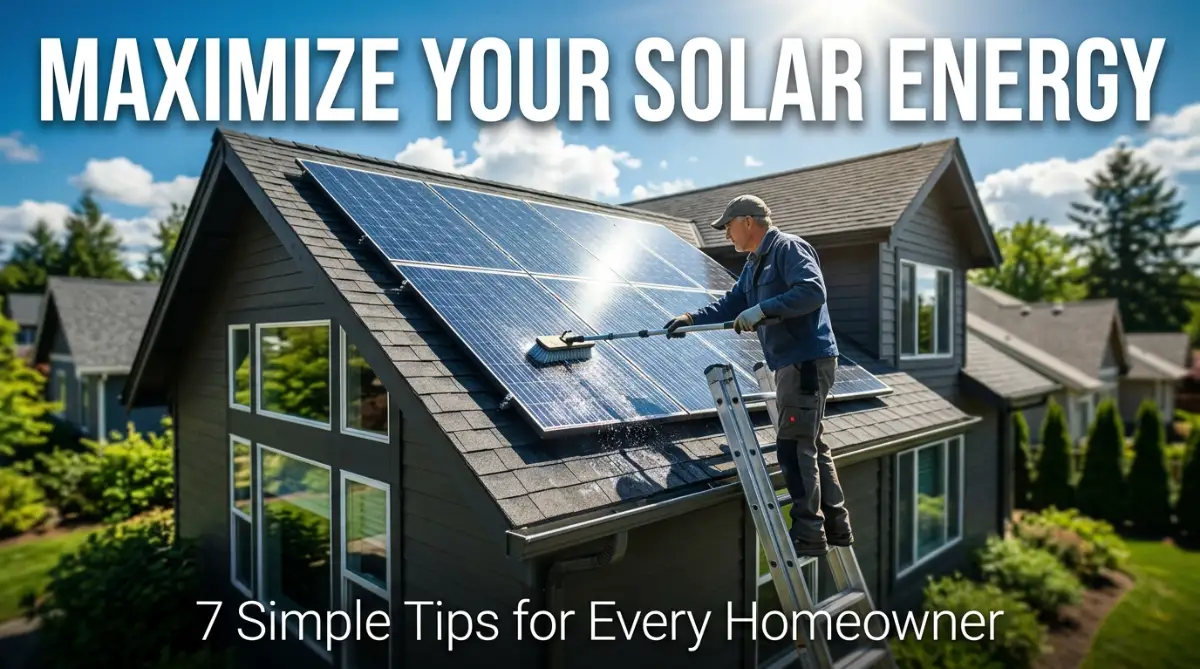
I started rinsing my panels with a hose a few times a year. It is a simple task, but it made a noticeable difference in my daily energy totals. You want as much light as possible to reach the cells, especially when it is cloudy outside.
Planning for the "Edge of Cloud" Effect
This is one of the coolest things about solar power. Sometimes, clouds can actually increase your power for a short time. This is called the "edge of cloud" effect.
When a bright white cloud is near the sun, the sunlight bounces off the edge of the cloud like a giant mirror. For a few minutes, your panels might get more light than they would on a clear day.
I have seen my panels spike to 110% of their rated power during these moments. It is a fun little bonus that helps make up for the dark hours. It taught me that clouds aren't always the enemy.
The Importance of a Good Inverter
Your inverter is the brain of your solar system. It takes the power from the panels and turns it into electricity you can use. A high-quality inverter is much better at "tracking" the sun's energy when it is weak.
On cloudy days, the voltage from your panels fluctuates constantly. A cheap inverter might get confused and stop working or waste a lot of energy. A smart inverter knows how to squeeze every last drop of power out of those grey hours.
I learned that the inverter is just as important as the panels themselves. Investing in a brand with a high efficiency rating for "low-light conditions" is a game changer for people who live in rainy areas.
Why You Should Look at Monthly Totals
I used to obsess over the hourly data. If I saw a dip at 2 PM, I would get annoyed. But my installer gave me some great advice: "Look at the month, not the hour."
Weather balances out over time. You will have dark days, but you will also have incredibly bright days. Solar is a long-term game.
Once I stopped checking my app every hour, I felt much better. I started looking at my monthly bill instead. As long as the monthly total was on track, I didn't care about a few clouds on a Tuesday afternoon.
The Role of Roof Pitch and Orientation
The angle of your roof matters a lot when the sky is grey. If your panels are tilted correctly, they can catch more of that diffuse light coming from the horizon.
In the northern part of the world, south-facing panels are the gold standard. But east and west panels can also do great work. They catch the morning and evening light when the sun is lower.
I had panels on both the south and west sides of my house. I noticed that on cloudy afternoons, my west-facing panels were the heroes. They kept my house running while the south panels were starting to fade.
Real-Life Scenarios: Tree Growth Over Time
When you install solar, you have to think about the future. A tree that is 10 feet tall today might be 20 feet tall in five years. I didn't think about this, and now I have a beautiful oak tree that is slowly creeping toward my array.
You have to be willing to maintain your landscape. Trimming branches isn't just about looks; it is about protecting your investment. I now have a schedule to check my trees every spring.
It is much cheaper to trim a branch than to lose 20% of your energy for an entire season. Being proactive is the only way to stay ahead of the shadows.
Using Smart Home Tech to Manage Low Power
I learned to change my habits based on the weather. If I see it is going to be a very cloudy day, I don't run the dishwasher and the laundry at the same time.
I use the sunny hours to do the heavy lifting. My smart home system helps me track this. It can even tell me when it is the best time to charge my electric car.
By matching my energy use to the weather, I stopped worrying about the clouds. I just adapted. It made me feel like I was in control again, instead of just being a victim of the sky.
The Science of Light Absorption
Solar panels are made of silicon cells that react to photons. Even when the light is weak, those photons are still there. They are just moving in different directions.
Modern panels are getting better at "seeing" different parts of the light spectrum. Some can even catch infrared light that passes through clouds more easily than visible light.
This is why newer panels are much better on cloudy days than the ones from ten years ago. The science is always improving, making solar a better choice for everyone, no matter where they live.
Building Your Solar Resilience
At the end of the day, understanding cloud cover and shading is about building resilience. You learn how to maximize what you have and how to fix what you can.
You stop seeing a cloudy day as a failure. Instead, you see it as just one part of a bigger cycle. Your system is still working, still saving you money, and still helping the planet.
I am glad I took the time to learn these details. It turned my stress into confidence. Now, when I see rain, I just think about how my panels are getting a free wash!
This knowledge is the key to a happy solar life. Take the time to look at your roof, check your trees, and understand your tech. It will pay off for years to come.
Pro Strategies for Squeezing Every Watt from Grey Skies
If you really want to beat the clouds, you have to think like an engineer but act like a homeowner. I learned that small changes in how you manage your system can lead to big gains in your monthly energy totals.
One of the best secrets I discovered is the power of bifacial solar panels. These are panels that can catch light on both the front and the back. When the sky is cloudy, light bounces off the ground and hits the back of the panels.
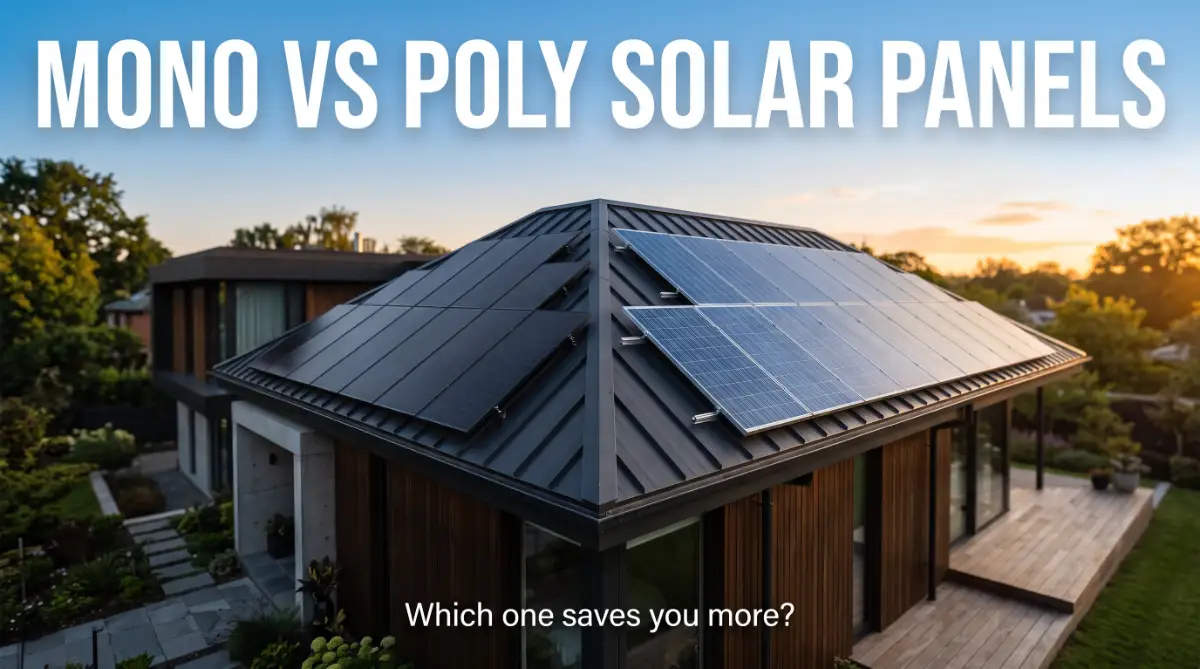
This extra bit of light might seem small, but it adds up quickly over a month of rainy weather. If you are still in the planning phase, I highly suggest looking into mono vs poly solar panels to see which type handles low-light conditions best for your specific area.
Another advanced tip is to focus on your battery storage system. On a very sunny day, your panels often produce more power than your home can actually use. That extra energy usually goes back to the grid for a small credit.
I realized that by storing that extra power in a home battery, I could use it during those dark, cloudy afternoons. This way, the clouds didn't matter because I was living off the "savings" I made when the sun was out. It is a great way to stop the money leak in your monthly utility budget.
You should also keep an eye on your inverter efficiency ratings. High-end inverters have a feature called "Global Maximum Power Point Tracking" (GMPPT). This is a fancy way of saying the inverter is very good at finding the best way to move energy through shaded panels.
I once saw a system where the owner replaced a standard inverter with a smart one. Even with the same panels and the same trees, their energy output went up by nearly 15%. According to the U.S. Department of Energy, choosing the right electronics can be just as important as the panels themselves.
You might also consider the tilt of your panels. Most installers set panels at a fixed angle for the whole year. However, I found that slightly adjusting the tilt for different seasons can help catch more diffuse light on cloudy days.
If your panels are too flat, dust and water can pool on the glass. This creates a thin layer of grime that acts like a permanent cloud over your system. Regular cleaning is a simple but essential residential solar panel maintenance tip that keeps your efficiency at its peak.
I always tell my friends to monitor their data weekly. Most modern systems come with an app that shows exactly how each panel is performing.
If I see one panel is consistently lower than the others, I know it is time to check for bird droppings or a new growing branch.
Lastly, think about the color of your roof. If you have a light-colored or reflective roof, more light will bounce around and hit your panels from different angles.
This is especially helpful during overcast days when light is coming from everywhere instead of just one spot in the sky.
Learning these pro-level secrets changed how I looked at my energy bills. I stopped feeling like a victim of the weather and started feeling like a smart manager of my own power plant. It takes a little effort, but the financial peace of mind is worth every second.
Hidden Traps That Drain Your Solar Potential
It breaks my heart to see homeowners spend thousands of dollars on solar only to lose half their power to simple mistakes. I have seen people install beautiful arrays right next to a giant oak tree that they "forgot" would grow taller.
This is the most common pitfall: ignoring the long-term changes in your yard. A shadow that is small today can become a monster in three years. If you don't stay on top of your landscaping, you are essentially throwing money into the shade.
I once visited a neighbor who was complaining that his solar system was "broken." When we looked at his roof, he had a massive satellite dish installed right in front of his best panels.
That one dish was casting a hard shadow that crippled his entire energy production for four hours every day.
Another emotional struggle is the "cheap inverter" trap. People try to save a few hundred dollars on the brain of their system. Then, when a single cloud passes over, the whole system shuts down for ten minutes to "recalculate."
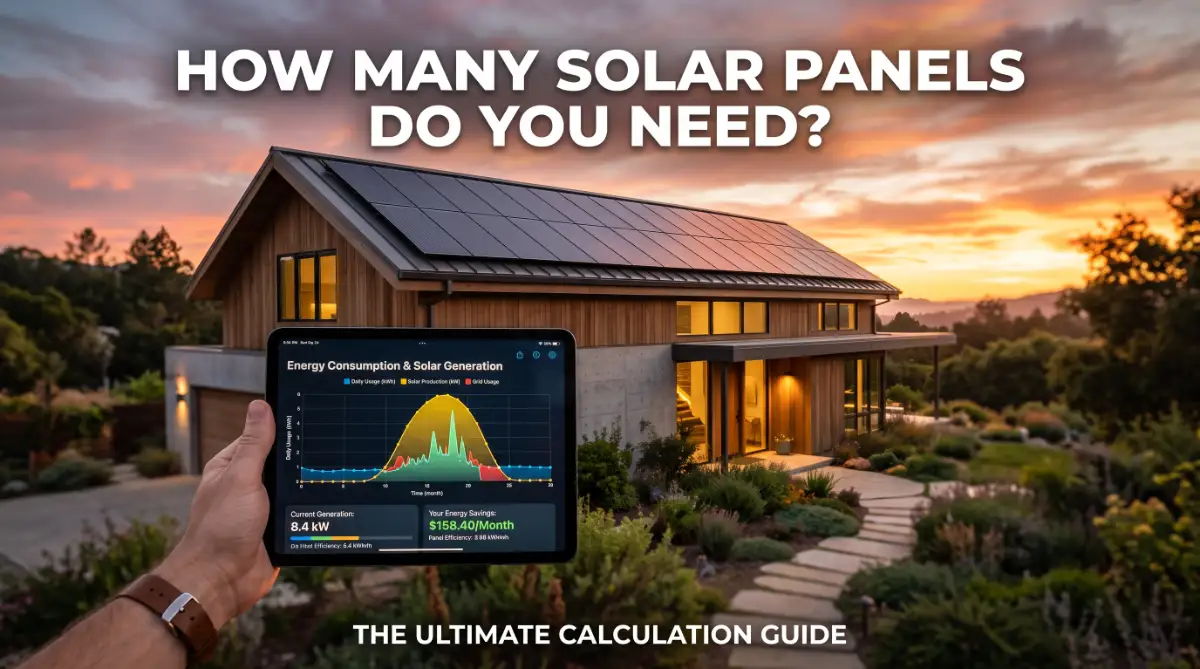
Those ten-minute gaps add up to hours of lost energy over a month. You end up paying more in the long run because you tried to save a little bit upfront. This is why I always tell people to calculate the actual solar panel requirements carefully before buying anything.
I also see people neglecting the cleaning of their panels. They think because they live in a place with rain, the panels stay clean. But rain often carries dust and pollutants that leave a film on the glass.
This film is like wearing dirty glasses; you can still see, but everything is a bit blurry and dim. Your panels feel the same way. According to Solar Power World, dirty panels can lose up to 25% of their efficiency in dusty environments.
Don't forget about the "seasonal shadow" trap either. The sun sits much lower in the sky during the colder months. A chimney that doesn't cast a shadow in the summer might be a major problem in the winter.
If you don't do a full evaluation of the neighborhood's growth potential, you might be surprised by a new building next door. A new two-story house could block your sun for half the day. Always look around and think about what might change in your immediate area.
The biggest mistake is simply giving up. Some people see a few cloudy weeks and decide that solar "doesn't work." They stop checking their system and stop caring about maintenance.
This neglect leads to hardware issues that go unnoticed. A small wire problem can turn into a dead panel if you aren't paying attention. Solar is a long-term commitment that requires your eyes and your care.
Stay alert and stay proactive. Your future self will be so glad you didn't let these small traps steal your energy independence. It is about protecting the investment you worked so hard to make.
Taking Control of Your Solar Future Today
Moving toward solar energy is a big step for any family. It is a path toward freedom from rising utility costs and a way to help our planet. Even with clouds and shadows, the benefits are far greater than the challenges.
I have spent years watching the sky and my energy meter. I can tell you with total confidence that the system works if you work with it. You don't need to be a scientist to have a successful home solar array.
The most important thing is to start with a good plan. Understand your roof, know your local weather patterns, and choose technology that fights back against shading. If you do these things, the grey days won't bother you anymore.
I want you to feel empowered when you look at your roof. Every watt you generate is a win for your household budget. It is a great feeling to know you are making your own power right from the sky above your head.
Remember that solar is a journey of learning. You will get better at managing your energy use over time. You will learn when to run your appliances and when to save your battery power.
Don't let the fear of a cloudy day stop you from making a great choice for your home. The technology is better now than it has ever been. It is built to handle the real world, including the rain and the clouds.
I am so happy that I stuck with my solar dream despite the early worries. It has changed my life and my finances for the better. I want that same feeling of success for you and your family.
You have the knowledge now to avoid the big mistakes and use the pro secrets. Take a walk outside today and look at your roof with fresh eyes. Check for those shadows and start thinking about your plan.
I honestly believe that solar is the best way for us to take back control of our energy. It is a clean, quiet, and powerful tool that belongs on every roof. Start your journey today and watch how much it changes your perspective on the world.
My own solar adventure started with a lot of questions and a little bit of fear. But I kept going, and now I wake up excited even on cloudy days because I know my system is still working for me.
You have the power to make this change too, so don't wait another day to start your own path toward energy freedom!
Disclaimer: The information provided in this article is for educational and informational purposes only. Home solar installations involve electrical systems and structural changes to your property. We always recommend consulting with a certified solar professional and a licensed electrician before making any changes to your home or installing a new system. Solar output can vary significantly based on your specific location, roof orientation, and local weather patterns. We do not provide financial guarantees regarding energy savings or system performance.