The Hidden Anxiety of Owning Digital Assets
I'll never forget the night my heart dropped because my favorite crypto app wouldn't load. I sat there in the dark, refreshing my phone and feeling sick, realizing that my life savings were actually in someone else's hands.
That scary moment was exactly what I needed to stop being lazy and finally learn how to truly own my money.

That feeling of being totally helpless was the wake-up call I needed to stop being lazy about my security and finally start taking it seriously.
Imagine waking up, checking your phone, and seeing a zero balance in your digital wallet. For many people, this is not just a bad dream. It is a harsh reality that happens every single day.
You work hard for your money. You spend hours researching the right assets to buy. Then, in just a few seconds, a hacker in another country takes it all.
This constant fear creates a heavy weight on your shoulders. You might find yourself checking your accounts ten times a day. You worry every time you see a news report about a new exchange hack.
The digital world feels like a gold mine, but it also feels like the wild west. Without the right protection, you are basically leaving your front door wide open in a dangerous neighborhood.
This lack of security steals your sleep and makes you doubt your investment choices.
Why Traditional Methods Keep Failing You
Most people start their journey by keeping their assets on an exchange. They think since the company is big, their money is safe. This is one of the biggest mistakes you can make.
Here is why the common ways of holding assets often lead to disaster:
- Exchange Vulnerability: When you keep money on an exchange, you do not own the keys. If the exchange gets hacked or goes bankrupt, your funds are gone.
- Phishing Scams: Hackers send fake emails that look exactly like your bank or exchange. One wrong click and they have your login details.
- Software Wallet Risks: Hot wallets on your phone or computer are always connected to the internet. This gives malware a direct path to your private info.
- False Sense of Security: Using a simple password or even SMS-based two-factor authentication is no longer enough for professional hackers.
- Lack of Control: You are relying on a third party to let you access your own wealth. They can freeze your account at any time for any reason.
Moving From Vulnerability to Absolute Control
The shift from being a victim to being a fortress starts with a single realization. You must become your own bank. In the traditional world, we pay banks to keep our money safe. In the digital world, that responsibility belongs to you.
This might sound scary at first. However, it is actually the most empowering thing you can do for your financial freedom. When you use cold storage, you are removing yourself from the "hackable" grid.
You are no longer a target sitting on a server. You become a ghost in the machine. Your assets stay offline, away from the reach of any keyboard-wielding thief.
This transition is about more than just buying a device. It is about changing your mindset. It is about choosing to be proactive instead of reactive.
We are going to walk through how to build this fortress, one brick at a time.
Creating Your Personal Digital Vault: A Practical Guide
Building a secure setup does not require a degree in computer science. It requires a clear plan and the right tools. Let's look at the first few steps to locking down your assets for good.
- Not Your Keys, Not Your Money: Keeping your assets on an exchange means you don't actually own them.
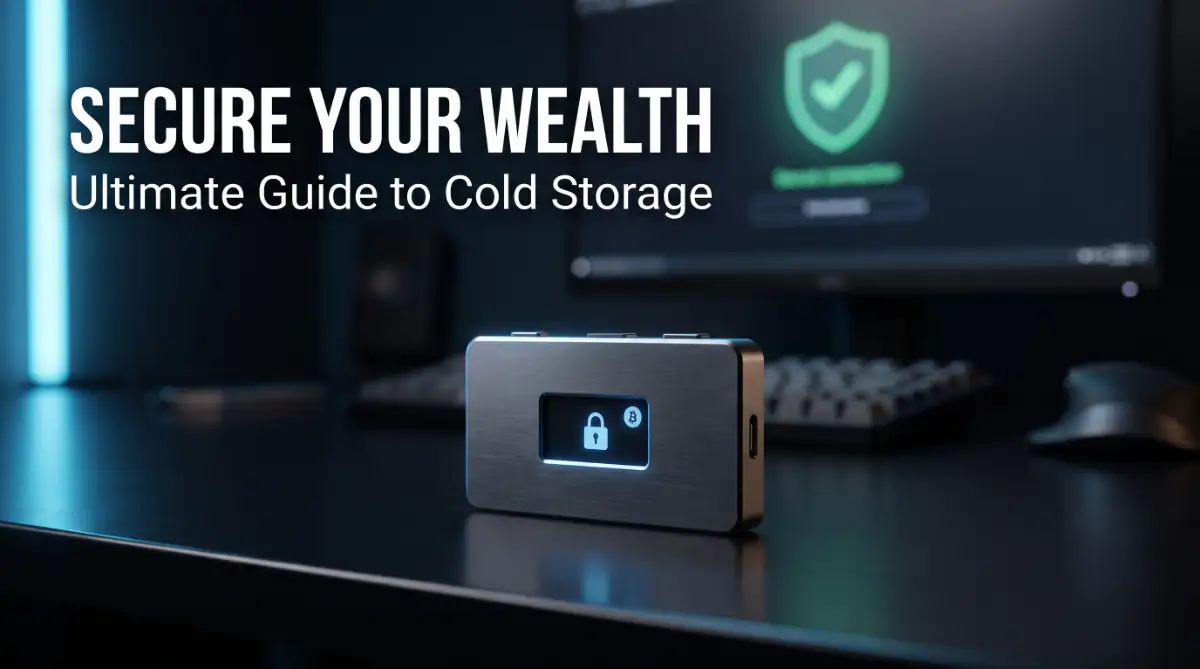
- Go Offline: Use a hardware wallet (Cold Storage) to keep your private keys away from the internet.
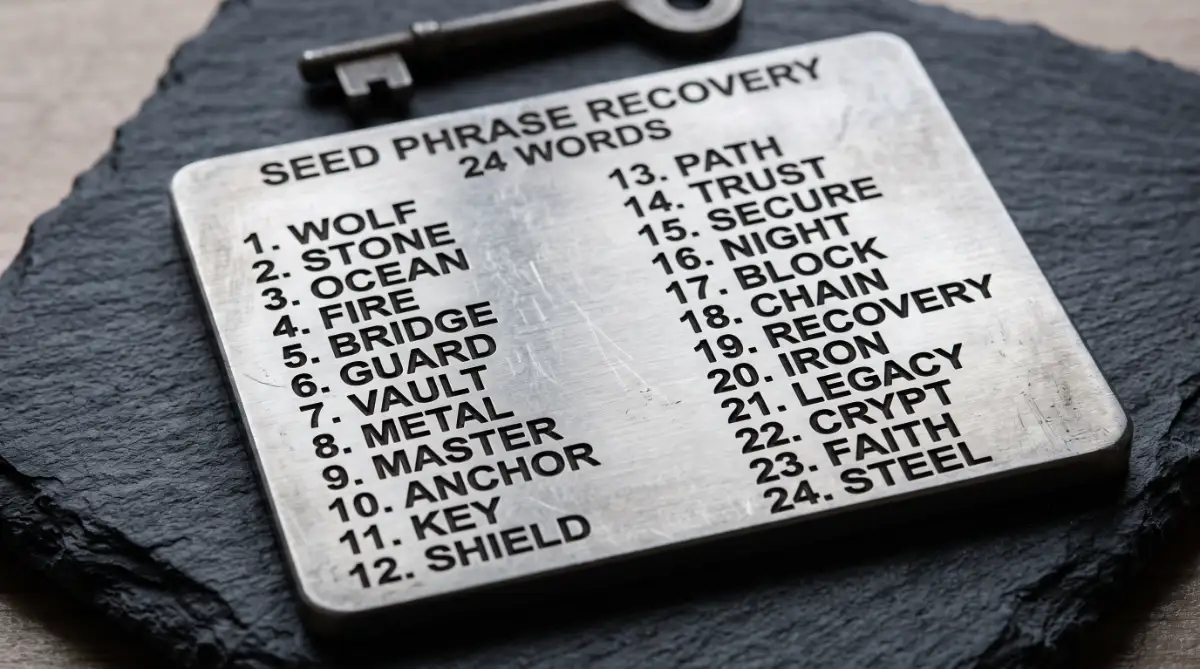
- The 24-Word Rule: Your seed phrase is your actual money. Never type it into a computer or take a photo of it.
- Buy Direct: Only purchase security devices from the official manufacturer to avoid tampered hardware.
- Steel Over Paper: Write your recovery words on metal to protect them from fire, floods, or accidental loss.
Step 1: Selecting the Right Physical Hardware
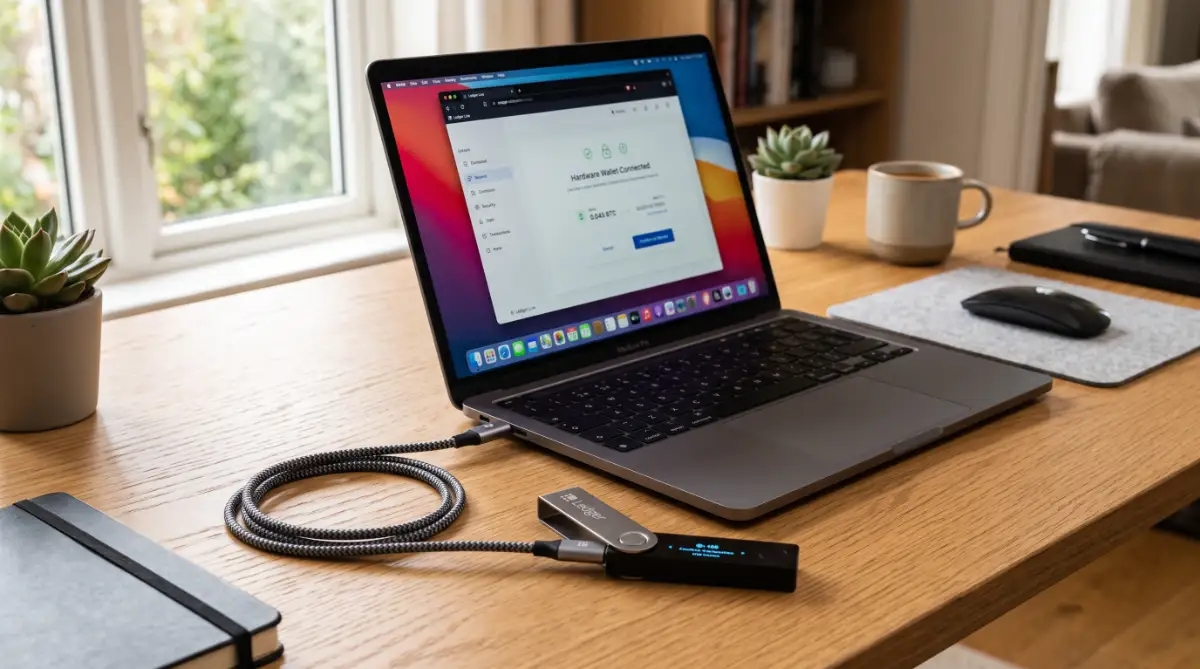
The foundation of your security is the hardware wallet. Think of this as a tiny, specialized computer that never touches the internet. Its only job is to sign transactions and keep your private keys hidden.
When you look for a device, look for ones with a "Secure Element" chip. This is the same type of technology used in credit cards and passports. It is designed to resist physical tampering.
When I first started, I almost bought a used device from a random seller online just to save a few dollars. I’m so glad I didn't, because I later learned that tampered devices are a favorite trick for thieves to empty your bags the moment you load them.
My rule is simple: if it doesn't come straight from the official factory in a sealed box, I don't trust it with a single cent.
Avoid buying these devices from third-party websites like eBay or random sellers on social media. Only buy directly from the official manufacturer. A tampered device is worse than no device at all.
Once you have the device, the setup process will generate a list of 12 or 24 words. This is your seed phrase. This phrase is the most important part of your entire security strategy.
Step 2: The Logic of Air-Gapped Security
The term "Cold Storage" simply means keeping your private keys offline. But how do we do that while still being able to use our assets? This is where the concept of an "Air Gap" comes in.
An air-gapped system is a computer or device that has no physical or wireless connection to the internet. Some hardware wallets use QR codes to communicate with your computer. This means no USB cable is ever needed.
When you want to send a transaction, the hardware wallet signs it internally. You then show a QR code to your internet-connected phone to broadcast the message. The private keys never leave the hardware device.
This creates a physical wall that a hacker cannot jump over. Even if your computer has the worst virus in the world, the hacker cannot reach inside your hardware wallet to grab your keys.
Step 3: Mastering the Art of Seed Phrase Protection
If your hardware wallet breaks or gets lost, your assets are not gone. You can buy a new device and enter your 12 or 24 words to get everything back. This means your seed phrase is your money.
Most people write their seed phrase on a piece of paper. This is a bad idea. Paper burns, it rots, and it can be easily thrown away by mistake.
Instead, consider using a metal backup. There are stainless steel or titanium plates designed to hold your words. These can survive a house fire, a flood, or a building collapse.
Never, under any circumstances, type these words into a computer. Do not take a photo of them. Do not save them in a cloud storage folder. The moment those words touch a digital screen, they are no longer "cold."
Want to see these devices in action before you buy one? Watch this simple video to see how hardware wallets look and why they are the ultimate shield for your digital wealth!
Why This Approach Works According to Experts
Security experts always talk about the "Single Point of Failure." In a traditional setup, your password is that point. If a hacker gets it, you lose.
With cold storage, you create a "Multi-Factor" physical world. A hacker would need your physical device and your PIN code to do anything. Or, they would need to physically find your hidden metal seed phrase.
The odds of someone from across the world doing this are almost zero. You have successfully moved your risk from a global digital pool to a local, physical space that you control.
This is the same logic used by large institutions and multi-billion dollar funds. They don't keep their assets on a laptop. They use deep cold storage, often in physical vaults deep underground.
You are now using that same level of professional security at home.
Practical Tips for Your First Week
When you first get your hardware wallet, do not move all your assets at once. Start with a very small amount. Send $10 worth of assets to the wallet.
Then, wipe the device and try to recover it using your seed phrase. This "fire drill" proves that you wrote the words down correctly. It gives you the confidence that the system actually works.
Once you see your $10 reappear after a recovery, you will feel a massive sense of relief. You will realize that you are truly in control. Only then should you move the rest of your holdings into your new digital vault.
My 5-Minute Safety Checklist
Before you send a single dollar to your new hardware wallet, run through this quick list:
Step | What to Check | Why it Matters
Verify Source | Did I buy this direct from the maker? | Third-party sellers can tamper with devices.
Test Recovery | Did I try to wipe and recover the wallet? | Ensures your 24-word phrase is written correctly.
Address Check | Does the screen match my computer? | Computers can be lied to; the device screen is the truth.
Physical Seal | Is the box and cable original? | Any signs of damage could mean a hacker got to it first.
Quiet Place | Am I alone while setting this up? | Never set up a wallet where cameras or people can see your screen.
Understanding the Trade-off: Speed vs. Safety
You must accept that cold storage is slightly slower than using a phone app. You have to find your device, plug it in, and press physical buttons. This extra 60 seconds is what keeps you safe.
In the world of finance, speed is often the enemy of security. Most hacks happen because people want to move too fast. By slowing down, you are giving yourself time to think and verify every move.
This intentionality is a key part of becoming a successful investor. It forces you to be disciplined. You are no longer "trading" on emotion; you are "holding" with a plan.
💡 My Expert Tip: The "Hidden" Seed Phrase Trick
Most people hide their 24 words in one place. My secret is to split the list. I keep the first 12 words in a safe spot at home and the other 12 in a secure location elsewhere (like a safety deposit box). Even if a thief finds one half, they can't touch my money. It’s a simple way to sleep better at night!
Building a Long-Term Security Routine
Security is not a one-time event; it is a habit. Once you have your hardware wallet set up, you need a simple routine. Check your metal backups once every six months to make sure they are still where they should be.
Update the firmware on your device only when you are at home on a trusted network. Never do updates in a rush or while using public Wi-Fi at a coffee shop.
By following these small, simple steps, you are building a wall around your wealth. This wall is too high for the average thief to climb.
You can finally stop worrying about the "what ifs" and start focusing on your long-term goals.
We will continue exploring advanced storage techniques and how to handle inheritance in the next sections. For now, focus on getting your keys off the internet and into your own hands.
This is the single most important step you will ever take in your digital journey.
Every day you wait is a day you are leaving your future up to chance. Take control today, and you will thank yourself for years to come. Your digital assets represent your time, your energy, and your dreams. They are worth the extra effort to keep them safe.
Adding an Extra Layer of Defense with Secret Passphrases
Now that you have the basics down, it is time to look at how the pros stay safe. A standard hardware wallet uses a list of 24 words to protect your money. However, what happens if someone finds that list?
This is where the passphrase comes into play. Think of it as a 25th word that you choose yourself. It is not part of the random list given by the device.
When you add a passphrase, your wallet creates a completely new set of accounts. If a thief steals your 24-word list, they will only see an empty wallet. They won't even know your real accounts exist unless they also have your secret passphrase.
I always suggest using a "dummy" account strategy. You can keep a small amount of money in the main wallet without a passphrase.
If someone ever forces you to open your wallet, you show them that account. Your main wealth stays hidden behind the secret word only you know.
This level of privacy is a game-changer for long-term investors. It moves your security from "strong" to "nearly impossible to break."
It is important to remember that if you forget this passphrase, even the manufacturer cannot help you. Write it down and hide it just as carefully as your main seed phrase.
The Strategy of Distributing Risk Across Multiple Keys
For those who have a large amount of wealth, relying on one single device might feel risky. This is why many experts use a setup called Multisig, which is short for "multi-signature."
Imagine a treasure chest that requires three different keys to open. You might keep one key at home, one in a bank vault, and one with a trusted lawyer. To move any money, you would need at least two out of those three keys.
This system removes the danger of a single point of failure. If one of your hardware wallets breaks or is stolen, your money is still safe. A thief would need to find and unlock two of your devices at the same time to steal anything.
You can set up a multisig vault using understanding the fundamentals of blockchain technology and how it works to see how transactions are verified on the network. It takes a bit more time to set up, but the peace of mind is worth every second.
This approach is how major companies and investment funds protect their holdings. You can use different brands of hardware wallets for your multisig setup.
This protects you even if one specific company has a security flaw in their software.
Staying Stealthy in a Transparent Digital World
Your security is not just about your devices; it is also about your behavior. One of the biggest threats to your digital wealth is your own digital footprint.
Hackers often look for people who talk about their investments on social media. If you post a screenshot of your gains, you are putting a target on your back.
They might not hack your wallet directly, but they can use your personal info to find you.
Always use a dedicated, private email for your crypto accounts. This email should not be linked to your social media or your shopping accounts. This makes it much harder for someone to track your activities across the web.
When you are checking your accounts or moving funds, always ensure your connection is private. Using a public network at an airport or a mall is a huge risk. Learning how a VPN encrypts your data on public wi-fi networks can help you stay invisible while you manage your assets.
Maintaining Your Digital Fortress for the Long Term
Security is a marathon, not a sprint. You need a plan to keep your setup working for years or even decades. The first part of this plan is regular firmware updates.
Hardware wallet companies are always finding new ways to block hackers. When they release an update, you should install it. Only do this through the official app that came with your device.
Never trust a popup on a website telling you to update your wallet. These are almost always scams designed to steal your info. Only use the software you downloaded directly from the official manufacturer's site.
Another long-term tip is to check your physical backups once or twice a year. Metals can survive a lot, but you should still make sure they are where you left them. If you move to a new house, your seed phrase should be the first thing you secure in the new location.
Think of your digital security as part of your overall emergency fund planning. You want to make sure your wealth is there when you actually need it. A little bit of maintenance today prevents a massive headache tomorrow.
Avoiding the Traps: Common Mistakes That Lead to Loss
Even with the best tools, human error is still the biggest cause of lost funds. I have seen many people lose everything because they took a small shortcut. Let's look at the most dangerous mistakes so you can avoid them.
Falling for Fake Support Teams
One of the most common scams happens on social media sites like X (Twitter) or Telegram. If you ask a question about your wallet, "support" accounts will message you instantly.
They will look very professional and use official logos. They will tell you that your wallet is "locked" and you need to "verify" your seed phrase. Never give your seed phrase to anyone.
No real company will ever ask for those words. Not for a refund, not for a fix, and not for a verification. If someone asks for your recovery words, they are a thief. Block them immediately and move on.
The Danger of Digital Backups
It is very tempting to take a photo of your recovery words. It feels fast and easy. You might think, "I'll just keep it in my hidden folder for a minute."
This is exactly how many people get hacked. Your phone often syncs your photos to a cloud account automatically. If your cloud account or your phone gets hacked, the thief has your money.
Even printing your words can be risky. Modern printers have internal memory that stores a copy of everything they print. Keep your seed phrase purely physical and offline at all times.
Buying Used or Discounted Devices
You might see a great deal on a hardware wallet on a site like eBay or Amazon. It might even look brand new in the box.
Hackers sometimes buy these devices, change the software, and then resell them. They might even include a "pre-made" seed phrase card and tell you to use it.
If you use a device that has been touched by someone else, they can drain your wallet the moment you put money in it. Always pay the full price and buy directly from the source. It is a small price to pay for your total security.
Testing Your Sanity Under Pressure
When the market gets wild and prices move fast, people get nervous. They start moving money quickly and forget to double-check addresses.
Hackers use "clipboard malware" that changes the address you copy. You might copy your own address, but when you paste it, it changes to the hacker's address.
Always look at the screen of your hardware wallet before you hit "confirm." The screen on your computer can be lied to, but the screen on your hardware device shows the truth.
If the addresses don't match, your computer is infected. Stay calm and follow your training on how to master your mind during these moments.
Forgetting the Inheritance Plan
What happens to your digital assets if you are no longer here? Many people keep their security so tight that even their families can't get in.
If you don't have a plan, your wealth could be lost forever in the blockchain. You don't have to give your family the keys today. However, you should leave instructions on where to find the keys in a legal will or a safe deposit box.
Write a simple guide on how to use the hardware wallet. Your family might not be as tech-savvy as you are. A clear, step-by-step paper guide kept in a secure place can save them from a lot of pain later on.
Your Roadmap to a Secure Financial Future
Protecting your digital assets is one of the most important things you can do in the modern age. By using hardware wallets and cold storage, you are taking a stand.
You are saying that you own your future and you won't let anyone take it from you.
The steps we talked about today might seem like a lot of work. But remember, you are building a system that will protect you for years. Once the setup is done, the daily effort is very low.
Start by getting your device from a trusted source. Set up your seed phrase and store it on metal. Use a passphrase if you want that extra layer of stealth. And most importantly, never share your secret words with anyone.
You now have the knowledge to be more secure than 99% of people in the digital asset space. This isn't just about money; it is about the freedom that comes with knowing you are safe.
Don't wait for a "sign" to start securing your wealth. The best time to lock your doors was yesterday. The second best time is right now. Take these steps today and sleep better tonight knowing your digital vault is truly impenetrable.

Moving my assets to cold storage was the best thing I ever did for my mental health. I no longer panic when I see bad news about hacks because I know my keys are sitting safely in my hand, not on a server.
You have worked too hard for your success to let a hacker take it in seconds—get your hardware wallet today and finally enjoy the peace of mind you deserve!
Disclaimer: The information provided in this article is for educational purposes only. It does not constitute financial, legal, or investment advice. Cryptocurrency and digital assets involve significant risk. Always conduct your own research and consult with a professional before making major financial decisions. We are not responsible for any loss of funds due to human error, hardware failure, or security breaches.
![The Secret Power of Stablecoins in Today's Market [Step-by-Step]](https://nexvoramag.com/storage/uploads/blogs/1788588210_the-secret-power-of-stablecoins-in-todays-market-step-by-step.webp)