
The Hard Truth About My First Steps into Digital Markets
I still remember the night I sat in front of my laptop until 4 AM. My heart was racing as I watched a small green line on a chart go up and down. I thought I was a genius because I had just "invested" my hard-earned savings into a coin I saw on a random social media post.
Within three days, that money was almost gone. I didn't sleep, I couldn't eat, and I felt a deep sense of shame. I had fallen for the same traps that millions of others do every single day.
It wasn't just about the money; it was the feeling of being a failure. I felt like I had let my family down. My peace of mind was completely destroyed by a few clicks made in a state of excitement.
Many people enter this space with dreams of quick riches. They see the success stories and think it will be easy. But the reality is often filled with hidden traps and emotional rollercoasters.
When you lose money because of a simple mistake, it hurts your soul. It makes you doubt your intelligence and your future. You start to wonder if the entire system is rigged against you.
The stress of seeing your portfolio drop by 50% in a single hour is something no one prepares you for. It can lead to arguments with your partner and a constant feeling of anxiety. You find yourself checking your phone every five minutes, even during dinner.
I don't want you to feel that way. I want to share the hard lessons I learned so you can walk this path with confidence. It is possible to succeed, but you must know where the holes in the road are before you start running.

Why Blindly Following the Crowd is a Recipe for Disaster
Most people start their journey by listening to "gurus" or following trending hashtags. This is the biggest trap of all. When everyone is talking about a specific asset, it is often too late to join.
You need to understand what you are actually buying. If you cannot explain the asset to a ten-year-old, you probably shouldn't put your money into it. Understanding the underlying value is your first line of defense.
Think of it like buying a house. Would you buy a home without looking at the foundation or checking the neighborhood? Of course not. Digital assets require the same level of care and attention.
Pro Tip: I used to buy coins based on how "cool" their logos looked. I learned the hard way that a pretty design doesn't mean a solid project. Now, I spend at least three days reading about any asset before I even think about clicking buy.
The Dangerous Myth of the "Get Rich Quick" Scheme
We are often told that digital assets are a shortcut to wealth. This mindset is what leads to the most painful losses. When you look for quick wins, you take unnecessary risks.
True wealth is built slowly and with a clear plan. If a project promises to double your money in a week, it is likely a scam or extremely high risk. You have to treat this like a real business, not a trip to a casino.
I have seen people lose their entire life savings in a matter of hours. They were chasing a dream that didn't exist. They ignored the red flags because they were blinded by greed.
The Security Gap: How Beginners Lose Their Keys
One of the most common mistakes is leaving your assets on an exchange. While it seems convenient, it means you don't truly own them. If the exchange has a problem, your money could vanish.
Learning how to use a private wallet is a game-changer. It gives you full control over your future. It might feel scary at first, but it is a skill you must learn to stay safe.
Imagine leaving your physical wallet on a park bench and hoping no one takes it. That is what it's like to leave your digital assets in an unprotected spot. You need to be your own bank.
Before you buy your next coin, watch this video to understand the basics of safe storage and market cycles.
Emotional Trading: The Silent Wealth Killer
Your emotions are your worst enemy in this space. Fear and greed drive the market, and if you aren't careful, they will drive you too. This is often called FOMO (Fear Of Missing Out).
When you see a price climbing, you feel a desperate need to buy. Then, when the price drops, you panic and sell at a loss. This cycle repeats until you have nothing left.
I remember selling a great asset just because the price dropped for a few days. A month later, that same asset was worth five times more. I let my fear make the decision for me.
To avoid this, you need a set of rules. Decide when you will buy and when you will sell before you even start. Stick to those rules no matter how much the market fluctuates.
The "All-In" Fallacy and Portfolio Balance
Another huge mistake is putting all your money into one single asset. You might feel very sure about it, but the market is unpredictable. Even the best projects can fail.
Diversification is your safety net. By spreading your money across different types of assets, you reduce your risk. If one goes down, the others might stay stable or go up.
Think of your portfolio like a garden. You wouldn't just plant one type of flower and hope for the best. You plant a variety to ensure that something is always blooming.
I once put 90% of my funds into a single project because I "felt" it was the one. When that project hit a technical snag, I lost almost everything. Now, I never put more than a small percentage into any single idea.
Ignoring the Technical Basics of Transactions
It sounds simple, but many beginners lose money by sending assets to the wrong address. Digital transactions are permanent. There is no "undo" button and no customer support to call.
Always do a small test transaction first. If you want to move a large amount, send a tiny bit first to make sure it arrives. It costs a little more in fees, but it saves you from a total loss.
Check the network you are using. Sending an asset on the wrong network is like trying to put a square peg in a round hole. The money just disappears into the void of the internet.
The Trap of Over-Trading and High Fees
Beginners often think they need to trade every day to make money. This usually leads to two things: exhaustion and high fees. Every time you trade, you pay a small amount to the platform.
Over a year, those fees can add up to a huge portion of your capital. Plus, the more you trade, the more chances you have to make a mistake. Sometimes, the best thing to do is nothing at all.
Patience is a superpower in this market. People who hold their assets for a long time usually do better than those who try to catch every small move. It is about "time in the market," not "timing the market."
Not Having an Exit Strategy
Most people spend all their time thinking about what to buy. They spend almost no time thinking about when to sell. This is a recipe for holding an asset all the way up and all the way back down.
You need to have a goal. Are you saving for a house? A car? Retirement? Once you reach a certain profit, take some money off the table. It isn't a profit until you actually sell and see it in your bank account.
I watched my first big "win" turn into a loss because I was too greedy to sell. I thought it would keep going up forever. It didn't. Now, I always have a plan for when to walk away.
The Importance of Continuous Learning
The digital asset world changes every single day. What worked last month might not work today. You have to stay curious and keep learning.
Read books, listen to podcasts, and follow reputable news sources. Don't just look for people who agree with you. Look for people who challenge your ideas. This will help you see the full picture.
I spend at least an hour every morning reading about new developments. It helps me stay ahead of the curve and avoid new types of scams. Knowledge is the only thing that no one can take from you.
The Psychology of Loss Aversion
Scientific studies show that the pain of losing money is twice as strong as the joy of gaining it. This is why people hold onto "losing" assets for too long. They don't want to admit they made a mistake.
Learning to accept a small loss is a vital skill. It prevents that small loss from becoming a total disaster. If a project changes for the worse, it is okay to change your mind and move on.
Don't get emotionally attached to your investments. They are tools to help you reach your goals, not your identity. If a tool is broken, you get a new one.
Managing Your Information Intake
We live in an age of information overload. There are too many voices telling you what to do. This can lead to "analysis paralysis," where you are too afraid to make any move at all.
Pick three or four trusted sources and ignore the rest of the noise. High-quality information is better than a high quantity of information.
I used to be in twenty different chat groups. It was a nightmare of conflicting advice. Now, I only follow a few experts who have a proven track record of being honest and calm.
The Role of Patience in a Fast Market
Everything in the digital world feels like it needs to happen right now. But the best opportunities often take time to develop. Don't let the speed of the technology rush your decision-making.
Take a breath. Walk away from the computer. Give yourself time to think clearly. The market will still be there tomorrow.
I have found that my best decisions always happen after I have slept on them. If I feel a sudden urge to buy something "right now," it is usually a sign that I am being driven by emotion.
Thoughts for Your First Steps
Starting this journey is exciting, but it requires a disciplined mind. You are entering a world that is still very new and very volatile. By avoiding these common mistakes, you are already ahead of 90% of other people.
Focus on security, keep your emotions in check, and never stop learning. Your future self will thank you for being careful today.
Remember, this is a marathon, not a sprint. Treat your capital with respect, and the market might just respect you back. Take it one step at a time, and don't be afraid to ask for help along the way.
Moving Beyond the Basics: Building Your Digital Future
Now that we have talked about the initial shock of entering the market, it is time to look at how the pros handle their money.
If you want to survive in this world for the long run, you cannot think like a gambler. You have to start thinking like a business owner who is building an empire piece by piece.
One of the most powerful tools I ever discovered was the concept of consistency over intensity. Many people try to make a million dollars in a single week.
I realized that it is much better to make steady progress that allows me to sleep at night without checking my phone every ten minutes.
If you are serious about this, you need to start by understanding the fundamentals of blockchain technology and how it works. Without this base knowledge, you are just throwing darts in a dark room. You need to know why a specific technology matters and how it solves real-world problems for people.
The Science of Staying Calm and Thinking Big
Market volatility is not a bug; it is a feature of this new financial world. When prices swing wildly, most people let their emotions take the driver's seat. I have spent years learning how to master your mind and how to stay calm and think clearly under pressure.
If you can stay calm while everyone else is panicking, you have already won half the battle. This is where "Dollar Cost Averaging" comes in.
Instead of trying to find the perfect moment to buy, you buy a small amount at regular times. This takes the guesswork out of the equation and lowers your average cost over time.
I remember a friend who tried to time the bottom of the market for six months. He was so stressed that he couldn't focus on his day job.
In the end, he missed the big move entirely because he was waiting for a price that never came. I simply bought a little every Monday, and my results were far better than his.
Why True Security is More Than Just a Password
As your digital wealth grows, you become a target for hackers and scammers. Basic passwords are never enough in this space. You have to take your safety seriously by learning how to secure your digital assets using hardware wallets and cold storage.
Think of your digital assets like gold bars. You wouldn't leave gold bars on your front porch, would you? Using a hardware wallet is like putting your gold in a heavy safe that only you have the key to. It adds a physical layer of protection that is very hard for remote hackers to break.
I also suggest creating a "digital hygiene" routine. Use a dedicated email address for your financial accounts that you don't use for social media or shopping. This reduces the chances of your personal info being leaked in a random website data breach.
Advanced Tactics for Portfolio Protection
The secret to not losing everything is not to put all your eggs in one basket. You might hear people talking about "going all-in" on a single coin, but that is a dangerous path. Instead, you should focus on the secret to a balanced crypto portfolio and smart ways to diversify your investments.
Diversification means owning different types of assets. You might have some stable coins, some established market leaders, and a small percentage in new, risky projects. This way, if one sector of the market takes a hit, your entire portfolio doesn't go to zero.
I like to treat my portfolio like a professional garden. I have some trees that take years to grow but provide deep shade (the safe assets).
Then I have some flowers that grow fast but can die in a single storm (the risky assets). A good gardener knows they need both to have a beautiful and lasting space.
Unlocking the Potential of Decentralized Systems
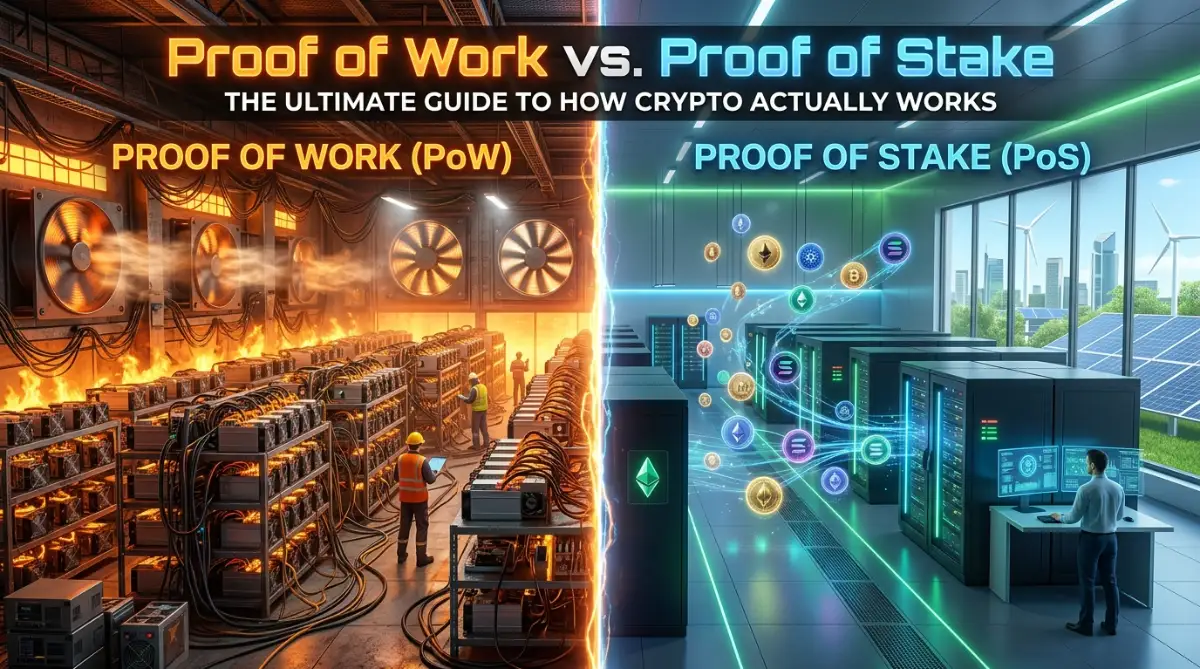
There is a whole world beyond just buying and selling assets. The world of decentralized finance allows you to put your assets to work. You can learn about 7 hidden secrets of DeFi that banks don't want you to know to see how people earn interest on their digital holdings.
However, you must be careful. Higher rewards always come with higher risks. Always research the platform and the smart contracts before you lock your money away. If a deal looks too good to be true, it probably is a trap designed to steal your liquidity.
I always tell people to validate your small business idea before launching and apply that same logic here. Treat every new platform like a new business venture. Check the team, the code audits, and the community feedback before you trust them with a single cent.
The Hidden Traps That Can Wipe You Out Overnight
One of the biggest mistakes I see people make is falling for "The Sunk Cost Fallacy." This happens when you hold onto a failing project because you have already spent so much money on it.
You think that if you sell now, you are "losing" that money. But in reality, that money is already gone, and holding on might cost you even more.
I once held a coin all the way down to zero because I didn't want to admit I was wrong. I thought, "It has to go back up eventually." It didn't. If I had just accepted the small loss early on, I would have had capital left to invest in something much better.
Another trap is "Chasing Green Candles." When you see a price jumping 20% or 30% in a day, your brain screams at you to buy. But usually, by the time you see the jump, the big players are already getting ready to sell. Buying during a vertical price spike is like jumping onto a moving train—you are very likely to get hurt.
The Dangers of Following "Fake News" and Hype
Social media is full of people who are paid to promote certain projects. They make it look like everyone is getting rich, but they are often just looking for "exit liquidity." This means they want you to buy so they can sell their coins at a higher price.
You should always look for data from neutral sources. For example, reading research on market psychology from the Journal of Financial Economics can give you a better understanding of how markets really work. Don't let a "trending" post on a social app dictate your financial future.
I also look at technical security standards provided by organizations like the National Institute of Standards and Technology to understand how digital encryption keeps our data safe. If a project doesn't follow these basic security principles, I stay far away from it.
Ignoring the Taxman and Legal Responsibilities
Many new investors think that because digital assets are "decentralized," they don't have to worry about taxes. This is a massive mistake that can lead to heavy fines or even legal trouble. Governments are getting very good at tracking digital transactions.
Keep a detailed record of every trade you make. Note the date, the price, and the reason for the trade. There are now many software tools that can help you do this automatically. Being organized now will save you a world of hurt when tax season arrives.
Think of it like a professional athlete. They don't just show up to the game; they have to manage their contracts, their health, and their legal papers. If you want to be a professional investor, you have to handle the "boring" stuff just as well as the "exciting" stuff.
Your Roadmap to a Healthier Financial Mindset
If you have made it this far, you are already doing better than most. You have learned about the traps of greed, the importance of security, and the power of a calm mind. But the most important thing is to keep your eyes on your own goals.
Don't compare your Chapter 1 to someone else's Chapter 20. Your journey is unique. Some people might get lucky and win big early, but those who stay disciplined are the ones who are still here years later. Wealth is not just about how much you make; it is about how much you keep.
I want you to take a moment and think about why you started this. Was it for more freedom? For your family's future? Keep that "why" in your mind every time the market gets crazy. It will act as your anchor when the waves get high.
Final Checklist for Your Success
- Always use a hardware wallet for long-term holdings.
- Never invest money that you need for rent or food.
- Do your own research instead of following influencers.
- Have a clear plan for when you will take profits.
- Stay humble during the wins and stay calm during the losses.
The market doesn't care about your feelings, but I do. I have seen the pain that comes from making these mistakes, and I have seen the joy that comes from doing things the right way.
You have the power to change your life, but you must do it with a clear head and a steady hand.
I truly believe that if you follow these steps, you can build a future that is bright and secure. Don't let the fear of making a mistake stop you from moving forward. Just make sure you are moving forward with your eyes wide open and your heart in the right place.
Common Questions About Digital Asset Investing
Is it possible to lose all my money in digital assets?
Yes, it is possible if you invest in high-risk projects or lose access to your private keys. This is why you should never put in more than you can afford to lose and always use secure storage methods.
How much money do I need to start my investment journey?
You can start with as little as ten or twenty dollars on most platforms. It is better to start small and learn the ropes before you commit larger amounts of your hard-earned savings.
Should I keep my digital assets on the exchange where I bought them?
For small amounts that you are trading daily, an exchange is okay. However, for any significant amount you plan to hold for a long time, moving them to a private hardware wallet is much safer.
What is the best way to handle a big market crash?
The best way is to stay calm and stick to your original plan. If you believed in the project before the crash and nothing has changed with the technology, it might even be a good time to buy more at a lower price.
How do I know if a new project is a scam?
Look for red flags like anonymous teams, promises of "guaranteed" high returns, and aggressive marketing. Always read the project's whitepaper and see if they have a real use case that makes sense to you.
Disclaimer: This article is for informational and educational purposes only. I am not a financial advisor. Digital asset investing carries a high level of risk, and you should always consult with a professional before making any major financial decisions. Use these tips as a guide to help you do your own research and stay safe in the digital world.
![7 Hidden Secrets of DeFi That Banks Don't Want You to Know [The Blueprint]](https://nexvoramag.com/storage/uploads/blogs/1785995614_7-hidden-secrets-of-defi-that-banks-dont-want-you-to-know-the-blueprint.webp)