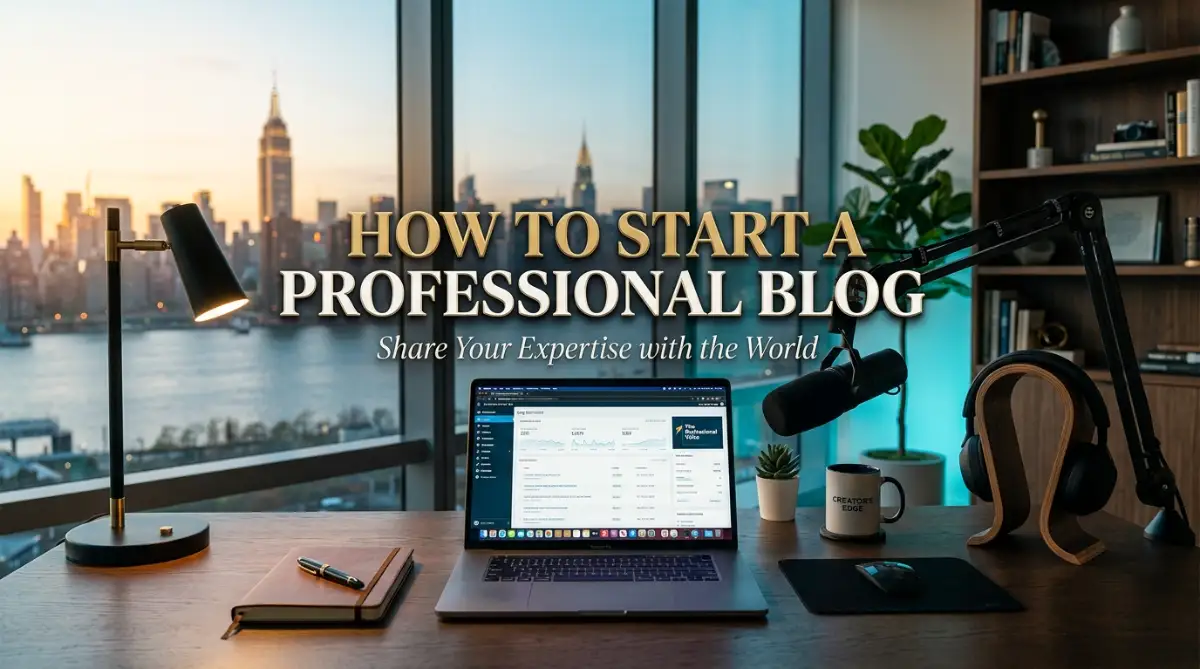
The Secret Struggle of Having Great Ideas but No Platform
I still remember the night I sat at my old kitchen table with my head in my hands. I had spent over ten years learning my craft and I knew I had something valuable to say. But every time I thought about sharing it, I felt like a small fish in a giant, dark ocean.
I wanted to help people and show my skills, but I had no idea where to even put my first word. It felt like I was shouting into a void where nobody could hear me.
My biggest fear was that all my hard work and knowledge would just sit inside my head forever. I saw other people online who seemed much less skilled than me getting all the attention. They had blogs, they had followers, and they were seen as experts.
Meanwhile, I was stuck behind a desk, feeling like my potential was slowly fading away. It was more than just frustrating; it actually hurt my heart to feel so invisible.
Do you ever feel like you are bursting with knowledge but have nowhere to let it out? Many people today face this exact same wall. They have the skills and they have the heart to teach others.
But the tech stuff feels too hard, or they think they are too late to the game. This feeling of being stuck can really weigh you down and make you feel like you aren't doing enough with your life.
I spent months trying to figure out the right way to start. I made so many mistakes that cost me time and sleep. I tried free sites that looked ugly and I tried complicated tools that I couldn't understand. It felt like a mountain that was just too high to climb alone. I just wanted a simple way to look professional and be heard by the right people.
Eventually, I realized that starting a blog isn't about the tech or the flashy lights. It is about building a home for your ideas where you are the boss. It is about creating a bridge between what you know and the people who need to hear it. Once I figured that out, everything started to change for me.
The mental stress of not sharing your gift is real. When you keep your expertise locked up, you miss out on connecting with like-minded people. You miss the chance to build a legacy that stays alive even when you are sleeping. I don't want you to feel that same heavy weight of "what if" anymore.

Defining Your Core Message Before You Type a Single Word
Before you buy a domain or pick a theme, you need to know what you stand for. Most people fail because they try to talk about everything to everyone.
When you try to please everyone, you end up helping no one. I made this mistake early on by writing about food one day and business the next. It confused my readers and it confused me too.
Think about the one thing people always ask you for help with. Is it fixing cars, managing money, or maybe teaching a language? That is your sweet spot. Your expertise is a gift, and you need to wrap it properly so people can recognize it. Narrowing your focus is the fastest way to become a trusted leader.
You don't need to be the world's top expert to start. You just need to be a few steps ahead of the people you are helping. People love learning from someone who understands their current struggles. Your unique perspective is your greatest strength in a crowded online world.
Choosing the Right Foundation for Your Digital Home
When I started, I thought using a free blogging site was a smart move because it cost nothing. I was wrong. On those sites, you don't really own your content. They can shut you down at any time, and your site looks like a hobby, not a professional business. To be seen as an expert, you need to own your space.
I highly recommend getting your own domain name and a self-hosted platform like WordPress.org. A domain name is your address on the internet, like "YourName.com." It tells the world that you are serious about what you do. It gives you full control over how you look and how you grow.
Setting up hosting is much easier than it used to be. Most companies now have a one-click setup that does the hard work for you. Think of your blog as a piece of digital real estate that grows in value over time. The small cost of hosting is an investment in your future authority.
Pro Tip:
When I first picked my domain name, I spent three weeks trying to find the "perfect" name. I realized later that the name matters much less than the content you put on it. Don't let a name stop you from launching. Just pick something simple, clean, and easy to spell. If you get stuck, using your own name is always a classy and professional choice.
Designing for Your Reader’s Comfort
Once your site is live, you might feel the urge to add lots of music, big animations, and bright colors. Please, don't do that. A professional blog should feel like a clean, quiet library. You want your readers to focus on your words, not on flashing sidebars or pop-ups.
Use a lot of white space on your pages. When text is crowded, it makes the brain feel tired. Short paragraphs and clear headings make your expertise easy to digest. Remember, many people will read your blog on their phones while they are on the bus or waiting for coffee.
Pick a font that is easy to read. Stay away from fancy cursive fonts for your main text. Stick to simple ones like Arial or Georgia. Your goal is to be helpful, and being helpful starts with being readable. A professional look builds trust before the reader even finishes the first sentence.
Watch this video to see a visual breakdown of how to structure your blog for maximum impact and readability.
Planning Content That Solves Real Problems
Now that your house is built, you need to invite people in with great content. Don't just write about your day. Write about solutions to the problems your audience is facing. If you are an expert in gardening, don't just say you planted seeds. Write about "5 Reasons Your Tomatoes are Turning Brown."
When you solve a problem, you become a hero in the eyes of your reader. Every post you write should aim to give the reader a small win. This builds a bond that makes them want to come back for more. It transforms you from a random writer into a trusted mentor.
I find it helpful to make a list of 20 questions your audience might have. These questions are your first 20 blog posts. This strategy takes away the "blank screen" fear. You always know what to write because you are simply answering someone’s call for help.
The Importance of Consistency Over Intensity
One of the biggest traps is writing five posts in one week and then disappearing for a month. I did this, and my traffic dropped like a stone. It is much better to post once a week, every week, than to burn yourself out in the beginning. Your audience needs to know they can count on you.
Think of your blog like a television show. If it comes on at a random time every few weeks, people will stop looking for it. But if it shows up every Tuesday morning, it becomes part of their routine. Reliability is a key part of being a professional.
Consistency also tells search engines like Google that your site is active and healthy. The more regular you are, the more they will trust you. Over time, this trust turns into higher rankings and more people finding your expertise. It is a slow build, but it is a solid one.
Building a Relationship Through Your Writing Tone
You don't need to use big, academic words to sound like an expert. In fact, using simple language often shows that you understand your topic even better. Talk to your readers like you are sitting across from them having a cup of tea. Use "I" and "You" to make the connection feel personal.
Share your failures as much as your successes. When I shared the story of my first failed project, my readers felt closer to me. It showed them that I am a real person who has walked the same path they are on. Honesty creates a bridge of trust that no fancy design can replace.
Your blog is a conversation, not a lecture. Encourage people to leave comments or send you emails. When you respond to them, you are not just a blogger; you are a community leader. This engagement is what turns a blog into a powerful tool for your career.
Making Your Content Easy to Find
You might have the best advice in the world, but it won't matter if no one can find it. This is where simple SEO comes in. You don't need to be a tech genius. Just use the words that people would naturally type into Google when looking for your help.
Put your main topic in the title and in a few of the headings. Think about the intent behind the search. Are people looking for a "how-to" or a "review"? Match your writing to what they are searching for. This helps the right people find your expertise at the exact moment they need it.
Don't overthink the keywords. If you write naturally about a topic, the keywords will usually show up on their own. Focus on being helpful first, and the search engines will eventually follow. It’s all about providing value that people actually want to read.
The Power of Storytelling in Expertise
Facts tell, but stories sell. If you want people to remember your advice, wrap it in a story. Instead of saying "You should save money," tell a story about how saving $50 a month helped you handle a surprise car repair. Stories stick in the brain much longer than a list of rules.
I once wrote a post that was just a list of tips, and it got very few views. Then, I rewrote it using a story about a mistake I made, and it became one of my most popular pages. People relate to human experiences. Your expertise becomes more powerful when it is rooted in real life.
Don't be afraid to be a little bit vulnerable. Showing that you have struggled makes your current success feel achievable for others. It gives them hope that if you can do it, they can do it too. This is the heart of sharing your expertise with the world.
Setting Goals for Your Blogging Journey
What does success look like for you? Is it reaching 1,000 readers a month, or is it getting your first "thank you" email? Having a clear goal keeps you moving when things get quiet. Without a goal, it is easy to give up when you don't see instant results.
I suggest starting with small, reachable goals. Maybe your first goal is just to publish four posts in your first month. Once you hit that, you can aim higher. Small wins build the momentum you need for long-term success.
Celebrate your milestones, no matter how small they seem. Every person who reads your blog is a person whose life you might have touched. That is a huge deal. Treat your blog with respect, and it will eventually return that respect to you.
Understanding the Value of Your Own Voice
Many people think, "Everything has already been said, so why should I bother?" While it’s true that many topics have been covered, they haven't been covered by you. Your voice, your history, and your way of explaining things are unique. No one else has lived your life.
There are people who will only understand a concept when they hear it from you. You might explain something in a way that finally makes it "click" for someone else. Don't rob the world of your perspective just because you think it’s been done before.
Your blog is a reflection of your personality. As you grow, your blog will grow with you. It is a living document of your journey as an expert. Embrace your style and don't try to copy anyone else. Authenticity is the most attractive quality a professional can have.
Creating a Workspace That Inspires Action
Believe it or not, where you write matters. If you try to blog in a messy, loud place, your writing will feel cluttered too. Find a small corner of your home that you can call your "office." Even if it’s just one end of a table, keep it clean and ready for work.
I found that having a specific routine helped me get into the "expert" mindset. I put on some soft music, pour a glass of water, and take three deep breaths before I start. This tells my brain that it is time to focus and share. A clear space leads to a clear mind.
You don't need a fancy setup to be a professional. You just need a space where you feel comfortable and respected. When you take your workspace seriously, you take your blog seriously. This shift in mindset is what separates hobbyists from true professionals.
Handling the Fear of Judgment
One of the biggest hurdles to starting is worrying about what your friends or coworkers will think. I was terrified of this for a long time. I thought people would laugh at me for calling myself an expert. But here is the truth: most people are too busy with their own lives to judge yours.
In fact, most people will actually admire your courage to put yourself out there. Those who do judge are usually the ones who are too afraid to try anything themselves. Don't let the opinions of people who aren't doing the work stop you from doing yours.
Focus on the people you are helping. When you get that first message from someone saying your post helped them, the fear of judgment will disappear. You will realize that your message is much more important than any negative comment. Keep your eyes on your mission.
Investing in Your Own Growth
The best bloggers are also the best students. To keep sharing expertise, you must keep learning. Read books, take courses, and talk to other experts in your field. This keeps your content fresh and ensures you are always providing the best advice possible.
I try to spend at least one hour a week learning something new about my topic. This gives me new ideas to write about and keeps me excited. A professional blog is a journey of continuous improvement.
Don't feel like you have to know everything before you start. You can learn as you go and share your learning process with your readers. This makes you even more relatable. People love to grow alongside the experts they follow.
Moving Beyond the Basics to Build a Lasting Digital Presence
Now that you have your blog set up and you know your message, it is time to look at the gears behind the machine. Many people start a blog and think they are done once they hit the publish button.
But being a professional means you are always looking for ways to improve how you reach your readers. You want to move from being just a writer to being a true authority in your field.
One of the most powerful ways to do this is by building a direct line of communication with your audience. Think of your blog posts as a way to meet new people, and an email list as a way to keep those friends forever.
When you have an email list, you don't have to worry about social media algorithms changing their rules. You own that connection, and that is a massive asset for any expert.
I didn't start an email list for the first two years of my journey, and I regret it every single day. I missed out on thousands of conversations with people who really cared about what I had to say. Starting a newsletter is like building a private club for your most loyal fans.
It gives you a place to share more personal stories and deeper insights that might not fit in a standard blog post.
Strengthening Your Authority Through Deep Research and Real Data
If you want to be seen as a top expert, you need to back up your claims with more than just your opinion. While your experience is great, adding facts and data makes your content much more trustworthy.
You can find amazing data by looking at official government reports or academic studies related to your niche. This shows your readers that you have done your homework and that they can trust your advice.
When you cite a source, you are not just giving credit; you are showing that you are part of a larger conversation. It makes your blog feel like a professional resource rather than just a personal diary.
Combining your personal stories with solid facts is the winning formula for high-quality content. This approach is exactly what helps you understand the impact of keyword research on search engine ranking because it provides the value search engines love.
I like to use a "Fact-Check" method for every post I write. Before I finish a draft, I ask myself if I can prove the points I am making. If I can't find a source or a personal story to back it up, I either find one or I change the sentence. This keeps my writing sharp and prevents me from sharing information that might be wrong.
The Power of Networking With Other Professionals
You don't have to grow your blog all by yourself in a dark room. One of the best ways to get your name out there is by talking to other people who are already successful.
This is often called "Guest Blogging," but I like to think of it as a digital handshake. By writing a post for someone else’s site, you get to show your expertise to a whole new group of people.
When you reach out to other bloggers, don't just ask for a favor. Offer them something of value first. Tell them how much you enjoyed their latest post or offer a unique idea that would help their readers. Building relationships is the fastest way to grow your authority in any industry.
This is also a great way to get paid to write with zero experience if you know how to pitch your ideas correctly. I remember the first time a bigger blogger shared my link. My traffic went up by five times in just one day! It taught me that being part of a community is much better than trying to be a lone wolf.
Refreshing Your Old Content for Long-Term Success
Many people think that once a post is old, it is dead. That is far from the truth. In fact, your old posts are like a garden that needs regular weeding and watering. Every few months, go back and read your top-performing articles. See if there is any new information you can add or if you can make the writing even clearer.
Updating old content tells search engines that your site is still relevant and accurate. It also gives your new readers a chance to see your best work without having to dig through archives. A blog that stays up to date is a blog that continues to earn money and trust.
This is a smart move whether you are blogging or trying to validate your small business idea before launching to the public.
I set aside one day every month just for "Spring Cleaning" my blog. I check for broken links, update old images, and add new tips I’ve learned since I first wrote the post. This simple habit has kept my older posts ranking high for a long time. It feels good to know that my hard work from months ago is still helping people today.

The Hidden Traps That Can Stop Your Progress
Even the most careful bloggers can fall into traps that slow them down. One of the biggest mistakes is trying to be "perfect" before you share anything.
I have seen so many talented people wait months to publish a single post because they were worried about a small typo. Perfect is the enemy of done, and your readers need your help now, not later.
Another common error is ignoring the technical health of your site. If your blog takes too long to load, people will leave before they even read your first word.
This is why it is so important to choose a good service provider, as your hosting is quietly killing your business if it is too slow or unreliable. A fast site shows that you care about your reader's time and experience.
I once lost a lot of readers because my site kept crashing and I didn't notice it. I was so focused on writing that I forgot to check the "house" I was building. It was a hard lesson to learn, but it taught me to keep an eye on the tech side of things too. Now, I use simple tools to alert me if my site goes down so I can fix it right away.
Why Chasing Every Trend Will Hurt Your Brand
It can be tempting to write about whatever is "viral" today just to get some quick views. However, if that topic has nothing to do with your expertise, you are actually hurting your long-term brand.
Your readers come to you for a specific reason. If you suddenly start talking about celebrity gossip when you are a financial expert, you will lose their trust.
Stay true to your niche and your core message. It is better to have 100 loyal readers who value your expert advice than 1,000 random visitors who leave after ten seconds. Depth is much more valuable than width when it comes to building a professional blog.
Focusing on your specific area of knowledge is the best way to choose the perfect domain name for a professional brand identity.
I remember trying to write about a trending news story just to get more traffic. I got the views, but none of those people stayed to read my other work. It felt empty and like a waste of my time. After that, I promised myself to only write things that truly add value to my specific audience.
The Danger of Ignoring Your Readers' Feedback
Your blog is a two-way street. If people are leaving comments or asking questions, and you ignore them, they will eventually stop coming. Your readers are your best source of inspiration for new content. If five people ask the same question, that is a clear sign that you should write a full blog post about it.
When you listen to your audience, they feel seen and heard. This creates a bond that is very hard to break. An expert who listens is always more respected than one who only talks. I make it a point to reply to every single comment on my blog, even if it is just a simple "thank you."
Ignoring feedback can also lead to making the same mistakes over and over. I once had a reader tell me that my font was too small to read on their phone. If I had ignored them, I would have kept losing mobile users. By listening, I was able to make a small change that helped everyone.
Balancing Your Passion With Professionalism
It is great to be passionate about your topic, but you must keep your professional hat on as well. This means showing up even when you don't feel like it and keeping a high standard for everything you publish. Sometimes, blogging feels like a job, and that is okay. The rewards of helping people and building your own platform are worth the effort.
Make sure your tone stays helpful and respectful, even if you are talking about something that makes you angry. People look to experts for calm and clear guidance. Your blog should be a safe and steady place for people to find answers. This professional approach is what helps you stay calm and think clearly under pressure.
I used to write when I was frustrated, and looking back, those were my worst posts. They felt messy and didn't really help anyone. Now, if I am feeling emotional, I write a draft but wait 24 hours before I look at it again. This helps me stay professional while still being honest and real.
Stepping Into Your New Role as a Community Leader
Starting a professional blog is about much more than just putting words on a screen. It is about taking your years of hard work and using them to light the way for others. Every time you share a tip or a story, you are making someone else’s journey a little bit easier. That is a wonderful way to live your life and build a career that truly matters.
Remember that this is a long game. You won't become a world-famous expert overnight, and that is perfectly fine. The most important thing is that you have started. You have taken your ideas out of your head and put them into the world where they can grow and help others. Your voice has power, and it is time for you to use it.
I want you to look back a year from now and be proud of the "digital home" you have built. I want you to see the comments from people you have helped and feel the pride of knowing you didn't keep your gifts to yourself. You have everything you need to be successful right now. Just take it one post at a time and keep your heart in the right place.
I truly believe that your expertise is exactly what someone out there is looking for right now. Don't let your doubts keep you quiet for another day. I am so excited to see the amazing blog you are going to create and the lives you are going to change along the way. Your journey starts with a single sentence, so go ahead and write it today!
Common Questions About Professional Blogging
Do I need to be a professional writer to start an expert blog?
No, you don't need a degree in writing to be a great blogger. People are looking for your knowledge and your unique voice, not perfect grammar. As long as you can explain things clearly and helpfully, your readers will appreciate what you share.
How often should I publish new posts on my blog?
Consistency is more important than how many times you post. It is better to post once a week every week than to post five times in one week and then nothing for a month. Find a schedule that fits your life and stick to it so your readers know when to expect you.
Is it too late to start a blog in a crowded niche?
It is never too late because no one else has your specific experience or way of teaching. Even in a crowded space, your personal stories and unique perspective will help you stand out. Focus on being the most helpful version of yourself, and you will find your audience.
How long does it take to see results from a new blog?
Blogging is a slow process that builds up over time. You might not see much traffic in the first few months, but if you keep providing value, it will grow. Most professional blogs start to see real momentum after six to twelve months of regular posting.
Can I start a blog for free or should I pay for hosting?
While you can start for free, it is much better to pay for your own hosting if you want to be seen as a professional. Owning your domain name gives you full control and makes your site look more trustworthy to both readers and search engines.
Disclaimer: This article is for informational purposes only. Starting a blog involves costs and effort, and results can vary based on your niche and dedication. Always follow the terms of service of your hosting provider and stay compliant with digital privacy laws like GDPR. We are not responsible for any financial decisions made based on this content.
![How I Replaced My 9-to-5 Using Only Basic Content Writing Skills [Proven Guide]](https://nexvoramag.com/storage/uploads/blogs/1786964227_how-i-replaced-my-9-to-5-using-only-basic-content-writing-skills-proven-guide.webp)
![Affiliate Marketing Secrets: How Beginners Actually Win [No Sales Pitch Inside]](https://nexvoramag.com/storage/uploads/blogs/1786594500_affiliate-marketing-secrets-how-beginners-actually-win-no-sales-pitch-inside.webp)