
Let's be real: buying car insurance feels like throwing money into a black hole—until you actually need it. I spent years paying for a "basic" plan, thinking I was smart for saving a few bucks.
Then, one hailstorm turned my hood into a golf ball, and my insurance company basically told me I was on my own. If you’re tired of guessing whether you’re actually protected, let’s fix that right now. No boring insurance talk—just the stuff you actually need to know.
The Hidden Dangers of Owning a Car Without Full Protection
You're driving home after a long day. Out of nowhere, another car clips your bumper at a stop sign. Nobody's hurt, but your car is dented, and your stomach drops.
Then the real panic sets in. How much will this cost?
Will you have to pay out of pocket? Can you even afford the repair bill this month?
This is the moment many drivers realize they never really understood their insurance policy. They had "some kind of coverage," but they're not sure what it actually protects.
Common situations that catch drivers off guard:
- A tree branch falls on the car during a storm
- The car gets stolen from a parking lot
- A flood damages the engine
- An animal runs into the road and causes damage
- Vandalism scratches the paint overnight
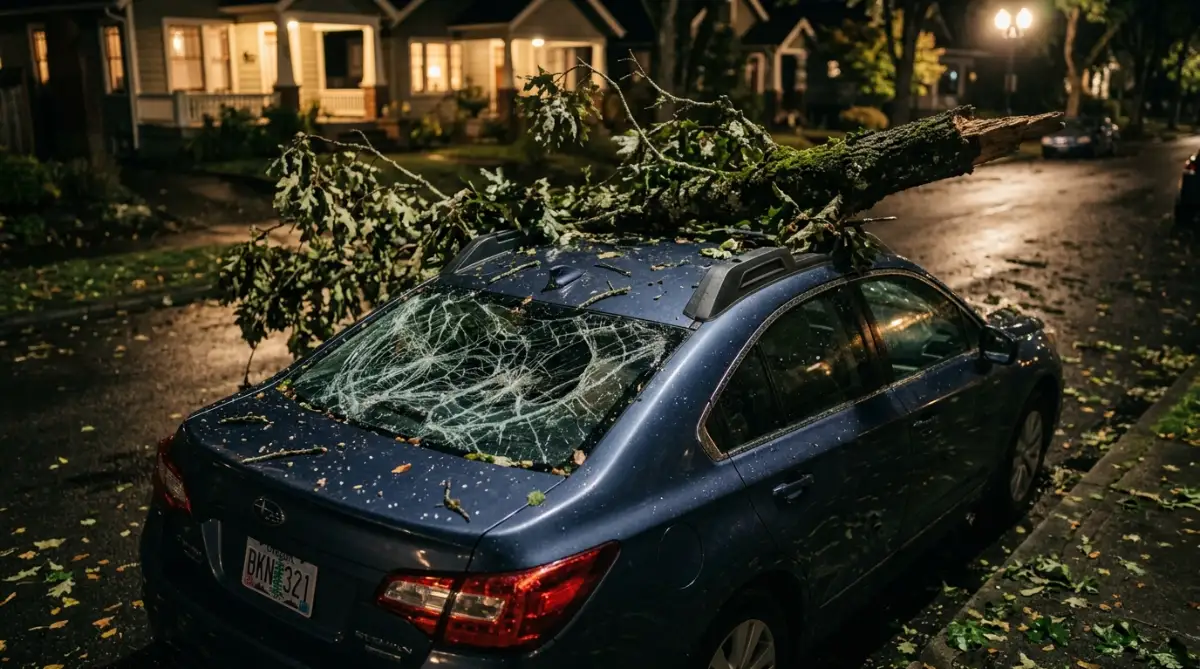
In every one of these cases, basic liability insurance won't help you. It only covers damage you cause to other people or their property. Your own car is left unprotected.
Why so many people get this wrong:
- They assume "insurance" automatically means full protection
- They never read the fine print on their policy
- They choose the cheapest plan without checking what it excludes
- They trust a salesperson's quick summary instead of asking questions
- They don't realize liability and comprehensive coverage are completely different things
The whole point of insurance is to remove that worry, not add to it. This is exactly why understanding comprehensive coverage matters so much.
It's not just an extra line item on your policy. It's the difference between handling a bad day calmly and facing a financial disaster you never saw coming.

⚡ Your "Crash Course" on Coverage
If you only have 60 seconds, here is what you need to do:
- Check your plan: If you only have "Liability," your car is basically naked. You are only paying for the other person's damage.
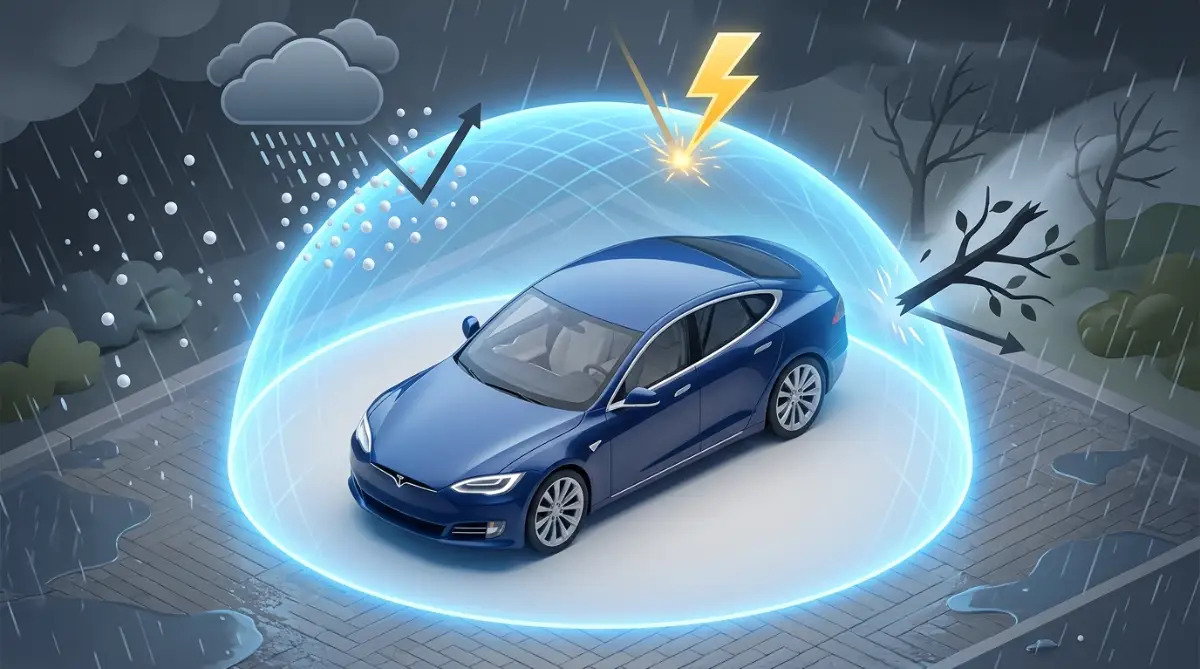
- The Storm Guard: Comprehensive insurance is your best friend if you live in a place with floods, hail, or falling branches.
- Set your deductible right: Only choose a high deductible (like $1,000) if you actually have that cash in your bank account today.
- Shop around yearly: Prices change all the time. Spend 15 minutes once a year to make sure you aren't overpaying.
How to Actually Protect Your Car (Not Just Your Wallet)
Let's get practical. Here are the steps that make the biggest difference for everyday drivers.
Step 1: Know the Difference Between Liability and Comprehensive Coverage
Most policies sold as "minimum coverage" only include liability insurance. This pays for damage you cause to someone else.
Comprehensive coverage is different. It protects your own vehicle against things that aren't even your fault, like theft, fire, falling objects, or natural disasters.
Think of it this way: liability protects other people from you. Comprehensive protects you from the world around you.
A quick real-life example:
Imagine hail damages your windshield overnight while the car is parked in your driveway. You didn't cause this. Nobody hit you. Liability coverage won't pay a cent. Comprehensive coverage will.
🛑 Insurance Myths: Don't Get Fooled
- Myth: "Full coverage" covers everything.
- Fact: There is actually no such thing as "full coverage." It’s just a mix of different policies. You have to pick the right pieces to be safe.
- Myth: Comprehensive insurance covers crashes.
- Fact: Nope. That is what "Collision" insurance is for. Comprehensive is for the weird stuff—like a tree falling on your car or a thief breaking your window.
- Myth: My insurance will pay for a new car.
- Fact: Most policies only pay what the car was worth before the damage. If your car is old, you might get a smaller check than you expect.
Wait! Before you keep reading, watch this short video that clears up the confusion between coverage types. It makes understanding the "fine print" so much easier and helps you see exactly what you are paying for!
Step 2: Calculate What You'd Actually Lose Without It
Many drivers skip comprehensive coverage to save a small amount each month. But that decision can backfire badly.
Here's a simple way to check if it's worth it for you:
- Look up your car's current market value
- Check the average repair cost for common damage in your area (hail, theft, flooding)
- Compare that number to your monthly premium difference
In most cases, even one major incident costs far more than years of added premium payments.
A stolen car with no comprehensive coverage means you're starting from zero, with no payout to help you buy a replacement.
Step 3: Match Your Coverage to Your Real Risk
Not every driver needs the exact same policy. Your situation matters.
Ask yourself these questions:
- Do you park on the street or in a garage?
- Does your area get severe storms, flooding, or wildfires?
- Is car theft common in your neighborhood?
- Is your car still under loan or lease?
If you're financing or leasing your vehicle, comprehensive coverage is usually required by the lender, not optional. They want to protect their investment, and honestly, you should too.
A quick scenario to picture this:
Say you live in an area with frequent hailstorms. Your neighbor, who lives across town with covered parking, might reasonably skip extra protection. You probably shouldn't.
Same car model, different risk, different decision. This is why a one-size-fits-all approach to car insurance rarely works. Your policy should reflect your actual life, not just the cheapest box you can check.
💸 The "Is It Worth It?" Cheat Sheet
If you are wondering whether to add comprehensive coverage, use this quick guide:
When you take the time to understand what you're really buying, insurance stops feeling like a confusing expense. It starts feeling like a tool that's actually working for you.
And the next time a storm rolls in or your car is parked somewhere unfamiliar, you'll know exactly where you stand.
Smart Moves That Save You Real Money Long-Term
Once you understand the basics, a few advanced habits can make your coverage work even harder for you.
Bundle Your Policies the Right Way
Most insurance providers offer a discount when you combine car insurance with home or renters insurance. This isn't a gimmick. It genuinely lowers your total cost.
Here's why it works:
Insurers want to keep your full business, so they reward loyalty with lower rates across the board. A driver who bundles often saves a noticeable percentage compared to buying each policy separately.
Before you bundle, though, compare the combined price against buying separately from two different companies. Sometimes the discount isn't as big as it sounds, so it pays to check the math yourself rather than trusting the sales pitch.
Raise Your Deductible Strategically
Your deductible is the amount you pay out of pocket before insurance kicks in. A higher deductible usually means a lower monthly premium.
This only makes sense if you actually have that deductible amount saved somewhere. If you're working on building a financial safety net, a higher deductible paired with solid savings can lower your monthly costs without leaving you exposed.
A simple test to use:
Could you comfortably pay your deductible today, in cash, without stress? If yes, a higher deductible probably makes sense. If no, stick with a lower one until your savings grow.
I once tried to save a little money every month by choosing a huge deductible, but then a flying rock cracked my windshield. I didn't have the $1,000 saved up to fix it, so I had to drive with a broken window for months.
My big lesson was to only choose a high deductible if you actually have that cash sitting in your bank account for emergencies.
Review Your Policy Every Year, Not Just at Renewal
Car values drop over time. So does the amount you actually need in comprehensive coverage.
Many drivers set their policy once and never touch it again. That's a mistake. According to the Insurance Information Institute, rates and coverage needs can shift based on your car's age, mileage, and even where you park overnight.
Make this a yearly habit:
- Check your car's current market value
- Compare it against your premium cost
- Ask your provider about new discounts you might qualify for
- Shop around if your renewal price jumps without a clear reason
A quick 20-minute review once a year can save you a meaningful amount without any real effort.
Keep a Clean Driving and Credit Record
In many regions, insurers factor in your credit history when setting your premium. It sounds unrelated, but data shows a connection between financial responsibility and claim risk.
If you're also working on improving how you manage other debts, that effort can quietly help your insurance rates too. It's one of those rare cases where a financial habit pays off in more than one place.

The Costly Mistakes Drivers Keep Making
Even careful drivers fall into a few traps. Here are the ones that cause the most regret.
Choosing Coverage Based on Price Alone
The cheapest policy on the page isn't always the smartest choice. A low premium often means high deductibles or major exclusions hidden in the fine print.
What this costs you:
You might save fifteen dollars a month, then face a five-thousand-dollar repair bill with no help from your insurer. That math never works in your favor.
Letting Your Policy Auto-Renew Without Checking It
Insurance companies don't always notify you clearly when your premium increases. If you let your policy renew on autopilot, you could be overpaying for months without realizing it.
Set a calendar reminder a few weeks before your renewal date. Take ten minutes to compare your rate against at least one competitor.
Skipping Comprehensive Coverage to "Save Money Now"
This is the mistake we covered earlier, and it's worth repeating here because it's the most common one. Drivers who skip this coverage are gambling with money they don't have ready if something goes wrong.
A single stolen car or flood-damaged engine can wipe out months, sometimes years, of "savings" from a cheaper policy.
Not Understanding Your Loan or Lease Requirements
If you finance your car and you cancel comprehensive coverage to cut costs, you might be breaking your loan agreement without knowing it.
Lenders can add their own coverage on your behalf, usually at a much higher price than what you'd pay on your own.
If money is tight and you're considering changes to your loan terms, it's worth understanding how missed payments or loan changes affect your overall finances before making any insurance decisions that could conflict with your agreement.
Filing Every Tiny Claim
It feels natural to file a claim for every scratch or small dent. But frequent small claims can raise your premium over time, sometimes by more than the repair would have cost out of pocket.
A better approach:
For minor damage under a few hundred dollars, compare the repair cost against how much your premium might rise. Sometimes paying out of pocket is the smarter long-term move.
Disclaimer:
Just a quick heads-up before you make any changes to your policy. I’m sharing this info based on my own research and personal experience to help you understand the basics, but I am not a professional insurance agent or a legal expert.
Insurance rules and rates can be very different depending on where you live and which company you use. Please talk to a licensed insurance pro or your own provider before you sign any papers or change your coverage. Use these tips as a guide to help you ask the right questions!
![Expensive Insurance Myth: Why High Premiums Don't Guarantee Safety [Explained]](https://nexvoramag.com/storage/uploads/blogs/1788154214_expensive-insurance-myth-why-high-premiums-dont-guarantee-safety-explained.webp)
![7 Hidden Secrets About Insurance Deductibles That Save You Money [The Ultimate Guide]](https://nexvoramag.com/storage/uploads/blogs/1787723740_7-hidden-secrets-about-insurance-deductibles-that-save-you-money-the-ultimate-guide.webp)
![7 Hidden Reasons Your Insurance Premium Increases Every Renewal [Avoid These Mistakes]](https://nexvoramag.com/storage/uploads/blogs/1787293030_7-hidden-reasons-your-insurance-premium-increases-every-renewal-avoid-these-mistakes.webp)