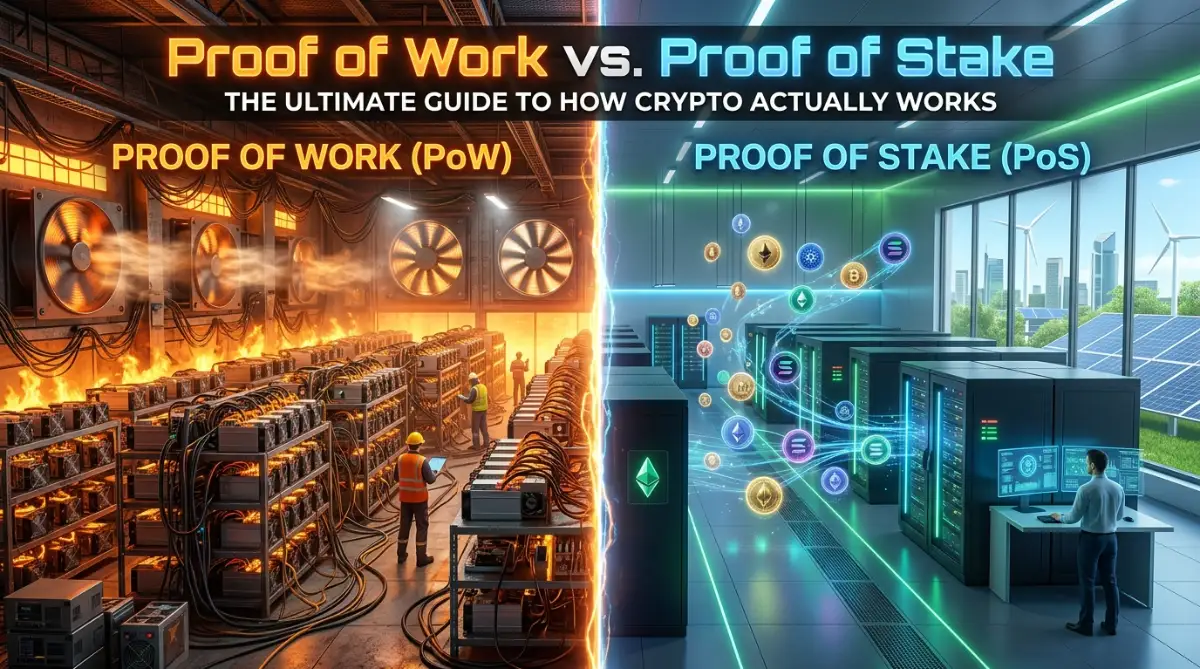
The Great Wall of Confusion in the Crypto World
I still remember the first time I tried to buy a bit of Bitcoin. I sat at my desk for three hours, staring at terms like "consensus" and "validation nodes."
I felt so small and stupid. My head was spinning because every website I visited made it sound like I needed a degree in rocket science.
I was terrified that if I didn't understand how the "engine" worked, I would lose every penny I had worked for. I just wanted to grow my savings, but the wall of technical jargon was stopping me.
I almost closed my laptop and gave up on the whole idea of digital money. I felt like an outsider looking into a club where I didn't know the secret password.
It was a lonely and frustrating night. But I decided to keep digging until things finally clicked for me.
Now, I want to make sure you never have to feel that way. You deserve to know exactly how your money works without the headache.
Why This Confusion is Hurting Your Peace of Mind
When you don't understand the difference between Proof of Work and Proof of Stake, you feel like you are gambling. It isn't just about the money; it is about the stress that comes with not knowing.
You see people on social media talking about "mining" and "staking," and it feels like everyone is getting rich except you. This creates a deep sense of anxiety and fear of missing out.
You worry that you might choose the wrong coin or invest in a system that is dying. This mental weight makes it hard to sleep at night.
You start to doubt your own intelligence. You wonder if you are just too late to the game or if the whole thing is a scam you can't see through.
The reality is that these systems are just two different ways of making sure the digital books stay honest. Once you see the simple logic behind them, that stress will melt away.
You will be able to talk about blockchain with confidence. You will finally feel like you belong in the conversation.
Let's look at these two "engines" in a way that actually makes sense to a normal human being.
The Heavy Lifting: Understanding the Mining Engine
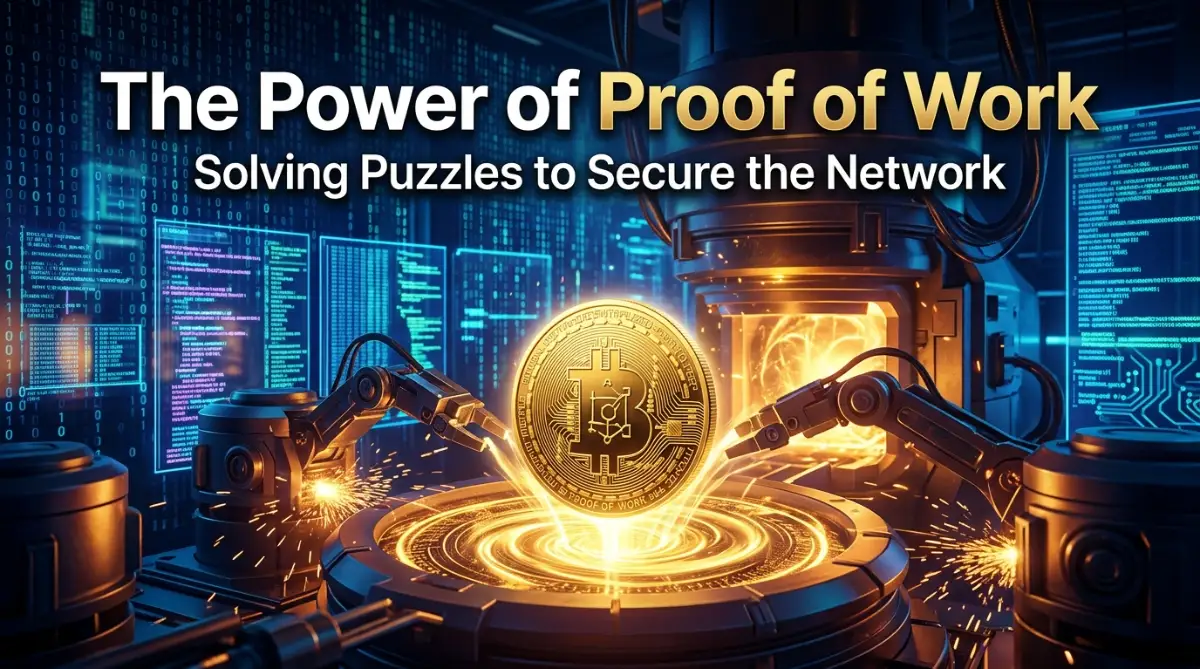
Think of Proof of Work like a global competition for very fast computers. In this system, thousands of machines are all trying to solve the same math puzzle at the same time.
The first computer to find the answer wins the right to add a new "page" to the digital ledger. As a reward for all that hard work, the owner of that computer gets some brand-new coins.
This is what people mean when they talk about "Mining." It isn't done with a shovel; it is done with raw electricity and processing power.
Because it takes so much work to solve these puzzles, it is almost impossible for someone to cheat. To change the records, a bad person would need a computer more powerful than everyone else combined.
The Real-World Cost of Solving Puzzles
Proof of Work is the system that powers Bitcoin. It is incredibly safe because it is tied to the physical world through electricity.
However, because the puzzles are so hard, these computers get very hot and use a lot of power. This is why you hear so much talk about the environmental impact of Bitcoin.
It is a bit like a high-security vault that requires a giant steam engine to keep the door locked. The engine is loud and uses fuel, but nobody is getting through that door.
For many people, this "physical link" is why they trust Bitcoin so much. It isn't just "magic internet money"—it represents real effort and real energy.
Why Most Beginners Struggle with Mining
Years ago, you could mine Bitcoin on your home laptop while you slept. I actually tried doing this once on my old college computer.
I woke up the next morning and the laptop was so hot it felt like it would melt through my desk. I didn't earn a single cent, and I almost ruined my only machine.
I realized then that Proof of Work has become an industrial game. You need special machines that cost thousands of dollars and cheap electricity to make any profit.
This is a big realization: for most of us, being a "miner" isn't a realistic hobby anymore. It is a big business for big companies.
"Want to see what a real crypto mining farm looks like? Watch this video to see the massive scale and hear the roar of the machines!"
The Greener Path: How Staking Changes the Game
Now, let's look at the other side: Proof of Stake. If Proof of Work is a race for computers, Proof of Stake is more like a lottery for owners.
Instead of using a lot of electricity to solve puzzles, the network picks a "winner" based on how many coins they own and are willing to "lock up."
This locking process is called "Staking." The network assumes that if you own a lot of coins, you want the network to stay safe so your coins stay valuable.
It is a much quieter and cleaner way of doing things. You don't need a hot, loud machine in your basement to help the network.
The Logic of Digital Trust
In this system, you are "proving" your honesty by putting your own money on the line. If a validator tries to cheat, the network can actually take away some of their staked coins as a punishment.
It is like a security guard who has to put their own savings into a vault before they are allowed to guard it. If they steal, they lose their own money first.
This financial "stake" is what keeps the blockchain honest. It is a very smart way to secure a network without needing the power of a small country.
Most newer coins, including Ethereum, have moved to this system because it is faster and better for the planet.
Earning Passive Income through Staking
One of the coolest things about this system is that almost anyone can participate. You don't need a special computer.
You can "stake" your coins directly from your digital wallet or even through some exchanges. In return for locking your coins, the network gives you a small percentage of new coins as a reward.
It feels a lot like earning interest in a savings account. You are helping the network stay secure, and the network is paying you for that help.
I’ve found that this is a great way for beginners to feel involved in the crypto world without the stress of mining hardware.
Pro Tip: I once lost access to a small amount of coins because I didn't realize that some staking pools have a "lock-up period" where you can't touch your money for weeks. Always check the "unstaking" rules before you commit your coins, so you aren't surprised when you need your cash fast.
Comparing the Two: Which One Wins?
It is easy to think that one system must be "better" than the other. But in reality, they both solve the same problem in different ways.
Proof of Work is like an armored truck. It is slow, heavy, and uses a lot of gas, but it is nearly impossible to break into.
Proof of Stake is like a modern digital bank. It is sleek, fast, and efficient, but it relies more on financial rules and incentives to stay safe.
Let's look at some of the major points where they differ so you can decide which logic you prefer.
The Security Debate
Some people argue that Proof of Work is the only way to have true security. They believe that only "real-world energy" can create "real-world value."
Others say that Proof of Stake is just as safe because it is too expensive for anyone to buy enough coins to take over the network.
If you tried to buy 51% of all the Ethereum in the world, the price would skyrocket before you could finish. You would end up spending billions of dollars just to destroy your own investment.
Both systems have been running for a long time now, and both have proven to be incredibly hard to hack.
Speed and Scalability
If you have ever tried to send Bitcoin, you know it can take 10 to 30 minutes to confirm. This is because the "Proof of Work" takes time.
The computers have to solve those hard puzzles for every single block. This makes the network very stable but a bit slow for daily coffee purchases.
Proof of Stake networks are usually much faster. Because they don't have to wait for a math puzzle to be solved, they can confirm transactions in seconds.
This is why most of the apps and games you see in crypto are built on Proof of Stake blockchains. They need that speed to feel like regular apps.
The "Rich Get Richer" Problem
One common criticism of Proof of Stake is that it favors those who already have a lot of money. The more you stake, the more rewards you get.
Critics say this leads to a few people controlling the whole network. However, fans of PoS point out that mining also favors the rich.
If you can afford to buy a thousand mining machines and build a private power plant, you will make much more money than a regular person.
In both systems, having more resources gives you an advantage. The goal of the technology is to make sure that even the "big players" still have to follow the rules.
Environmental Impact and Future Trends
The world is becoming very focused on "Green Energy." This is the biggest weakness of Proof of Work.
Many governments are looking at ways to limit crypto mining because of the electricity it uses. This creates a risk for coins like Bitcoin in the long run.
Proof of Stake is much more "politically safe." It doesn't use more power than a regular website.
Because of this, we are seeing a huge trend where almost every new project chooses the "Stake" model over the "Work" model.
How to Start Your Own Learning Journey
The best way to really understand these differences is to experience them in a small way. You don't have to spend a lot of money to do this.
You can look up "staking" on a reputable exchange and see what the rewards look like for different coins. You can also look at a "mining calculator" online to see why it is so hard to make money with a regular computer.
Seeing the actual numbers will make all of these concepts feel much more real. It moves the knowledge from your head to your hands.
Don't worry about being an expert overnight. Just focus on understanding one small piece of the puzzle at a time.
Practical Examples of Both Systems
To make this even clearer, let's look at the most famous examples of each.
Bitcoin (Proof of Work): The original king. It is a store of value, like digital gold. People hold it because they trust the "work" that went into making it.
Ethereum (Proof of Stake): The world's computer. It was once Proof of Work, but it moved to Proof of Stake to become faster and more efficient. It runs thousands of apps.
Solana (Proof of Stake + Proof of History): An even faster network that uses a mix of systems to handle thousands of transactions every second.
By looking at these three, you can see how the technology is evolving over time. We are moving from "heavy and secure" to "fast and efficient."
Why Your Choice Matters for Your Portfolio
When you choose to hold a coin, you are essentially "voting" for one of these systems. If you believe in the security of energy, you might hold more Bitcoin.
If you believe in the future of fast, green apps, you might prefer coins like Ethereum or Cardano.
Understanding the "why" behind these systems helps you stay calm when the market gets volatile. You aren't just watching a line go up and down on a chart.
You are watching a global battle between different ways of securing our digital future. This long-term view is what separates successful investors from those who panic and sell.
The Strength of Knowledge
The most valuable thing you can have in the crypto world isn't a secret coin—it is a clear understanding of the basics.
When you know how PoW and PoS work, you can't be fooled by "scam" projects that promise impossible things. You will know if their "engine" actually makes sense.
You are building a foundation that will serve you for years to face any change in the market. Education is the only investment that never loses its value.
Keep your curiosity alive. The more you learn, the more the "scary" parts of crypto will start to feel like exciting opportunities.
Taking the First Step Today
You have already finished the hardest part of the journey. You have moved past the confusing words and looked at the real logic of the blockchain.
Now, go and look at your favorite crypto project. See if you can find out which system it uses.
Ask yourself: Does this coin focus on energy and security, or speed and staking? Once you can answer that, you are officially no longer a beginner.
You are a conscious participant in the new digital economy. And that is something to be very proud of.
The future is digital, and you are finally ready to navigate it with a clear mind and a strong blueprint.
Quick Comparison Summary
This table is your "cheat sheet" for the two main ways we reach an agreement on the blockchain. Keep it in mind whenever you hear about a new project.
It will help you categorize almost every coin you see in the market today. Knowledge is your superpower!
Stay focused on the long-term growth of your mind, and your wealth will naturally follow. You’ve got this!
Moving Toward Mastery in the World of Digital Consensus
Now that you have the basic idea down, it is time to look at the "pro" level strategies. Many people buy their first coin and stop there, but the real winners look at how the technology evolves over time.
One of the biggest secrets in the industry is understanding staking pools. If you don't have enough coins to be a solo validator in a Proof of Stake (PoS) system, you can join a pool.
This allows you to combine your resources with others and share the rewards. It is a great way to start earning passive income without needing a huge bank account.
To really grow, you need to have a strong grip on understanding the fundamentals of blockchain technology and how it works. Knowing the "why" behind the tech helps you spot the best opportunities early.
Why the Location of Your Mining Hardware Matters
If you are leaning toward the Proof of Work (PoW) side, you have to think like an engineer. The heat from mining machines can actually damage them if you aren't careful.
I learned this the hard way when I kept a small miner in a closet with no airflow. The machine stopped working after just three weeks because it got too hot.
Experts often place their hardware in cool basements or use industrial-grade fans. If you want your hardware to last, you must keep it cool and clean from dust.
According to the Cambridge Bitcoin Electricity Consumption Index, miners often move to countries with cold weather just to save on cooling costs. This shows how much detail goes into making a profit with PoW.
Leveraging Smart Tools for Better Results
You should not try to do everything manually in this fast-moving market. There are many tools that can help you track your rewards and costs.
For example, you can how to use artificial intelligence to automate daily productivity tasks like tracking price changes or network health. This saves you hours of staring at charts every day.
By using technology to watch the market, you can focus on the big-picture goals. It keeps your mind clear so you don't make emotional choices when the market gets bumpy.
The Importance of Network "Health" Checks
Before you stake your coins, you should always check how many validators the network has. A healthy network should have thousands of different people involved.
If only a few people control the whole system, it becomes risky. You want to put your money into a network that is truly decentralized.
You can look at 7 hidden secrets of DeFi that banks don't want you to know to see how these networks are replacing old financial systems. This helps you see the long-term value of the coins you are holding.
The more people who join the network, the safer it becomes for everyone. This is the beauty of the "consensus" model where everyone works together.
Securing Your Gains for the Long Run
Earning rewards is great, but keeping them safe is even more important. Many beginners leave their coins on an exchange where they don't have full control.
I always suggest moving your long-term holdings to a cold storage device. You can learn how to secure your digital assets using hardware wallets and cold storage to protect yourself from hackers.
It adds an extra step when you want to sell, but the peace of mind is worth it. You never want to wake up and find your digital wallet empty because you were lazy with security.
Think of it like a physical safe in your house. You wouldn't leave a pile of gold on your front porch, so don't do it with your crypto.
Managing Stress During Market Shifts
The crypto world moves up and down very fast, and it can be hard on your nerves. You might see your portfolio drop by 20% in a single day and feel like screaming.
This is why you must master your mind and learn how to stay calm and think clearly under pressure. If you panic and sell at the bottom, you lose the game.
Successful people look at the technology, not just the price chart. If the "Work" or "Stake" is still happening, the network is still healthy.
Stay focused on the facts and the long-term plan. This mental strength is what separates the winners from the losers in this space.
Dangerous Traps That Could Cost You Everything
One of the biggest mistakes people make is chasing the highest "APR" in staking. They see a new coin promising 100% rewards and they jump in without thinking.
Usually, these high rewards are a sign of a very risky project. The price of the coin might crash by 90% while you are busy earning your rewards.
I once lost a few hundred dollars because I followed a "hot tip" on a high-reward coin. I was so focused on the extra coins that I didn't see the project had no real use.
Always ask yourself why the network is giving away so much money. If it sounds too good to be true, it almost always is.
The Hidden Cost of Transaction Fees
In Proof of Work networks, you have to pay "gas fees" to send your money. When the network is busy, these fees can get very expensive.
I’ve seen people try to send $20 and realize the fee was $50! This happens when you don't check the network traffic before making a move.
Always look at a gas tracker before you send a transaction. Sometimes waiting just one hour can save you a lot of money.
In PoS networks, fees are usually lower, but you still need to be careful. Every small fee adds up over time and eats into your profits.
Forgetting About the Lock-Up Periods
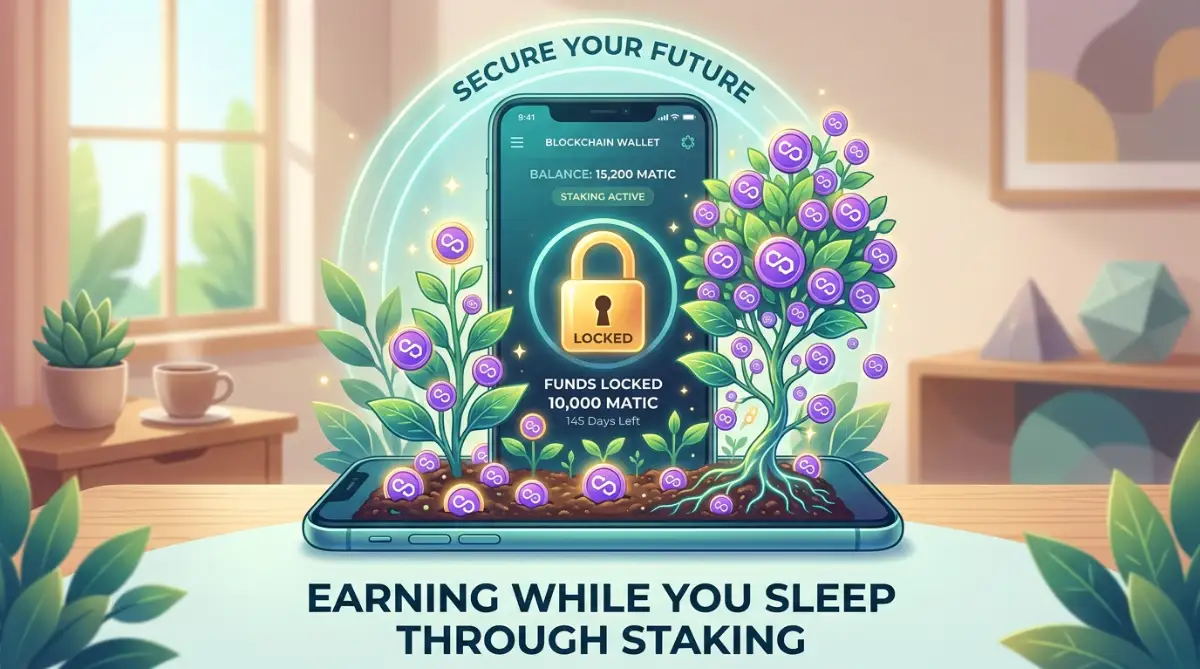
When you stake your coins, they are often "locked" for a certain amount of time. This could be a few days or even a few months.
If you suddenly need your money for an emergency, you might not be able to get it out. This is a huge trap for people who don't have an emergency fund.
Before you lock your coins, make sure you have enough cash for your daily life. You never want to be "rich in crypto" but "poor in cash" when a bill comes due.
Read the rules of the staking pool very carefully. Knowing the "unbonding" period is a simple step that saves you a lot of stress later.
The Risk of Using the Wrong Wallet
Hackers create fake wallets that look exactly like the real ones. If you download the wrong app and put your seed phrase in, your money is gone in seconds.
Only use wallets that are recommended by the official project website. Never, ever share your secret 12 or 24 words with anyone online.
No "support team" will ever ask for your password or your seed phrase. If someone asks for them, they are trying to steal from you.
Being careful with your digital keys is the most important rule in crypto. It is better to be a bit paranoid than to be broke.
The Danger of a "Lopsided" Portfolio
Putting all your money into just one type of coin is very risky. If that specific consensus model has a problem, you lose everything.
You should look at the secret to a balanced crypto portfolio and 5 smart ways to diversify. Having a mix of PoW and PoS coins helps protect you from sudden changes.
Diversification is the only "free lunch" in the world of investing. It spreads your risk so one bad event doesn't ruin your entire future.
Think of it like a garden with many different plants. If one type of flower dies, the rest of the garden still looks beautiful.
Your Roadmap to a Successful Crypto Future
We have covered a lot of ground today, and you should feel proud of your progress. Understanding how these networks stay safe is the key to making smart choices.
You now know that Proof of Work is about industrial power and deep security. You also know that Proof of Stake is about participation, efficiency, and passive rewards.
Both systems are trying to build a better way for us to share value across the globe. By staying curious and keep learning, you are putting yourself ahead of 90% of the population.
This technology is not going away. It is only going to get bigger and more integrated into our daily lives.
Taking Action Today for a Better Tomorrow
Don't just let this information sit in your head. Take one small action right now to solidify what you have learned.
Maybe you can look up the consensus model of a coin you’ve been watching. Or maybe you can check the security of your current digital wallet.
Even a five-minute check can make a big difference in the long run. Success is built on small, consistent steps over time.
The digital world can be a bit wild, but with the right map, you can navigate it with ease. Trust your knowledge and stay focused on your goals.
I’ve spent years exploring these digital paths, and I promise the view from the top is worth the effort. I used to be scared of every price drop, but now I see them as a chance to learn and grow.
I want you to feel that same level of confidence every time you open your laptop. You have the tools, you have the blueprint, and now you have the power to win!
Common Questions About Crypto Consensus Models
Which one is better for earning passive income?
Proof of Stake is generally better for the average person to earn rewards. You don't need to buy expensive machines; you just hold and lock your coins in a wallet. It works a bit like earning interest in a traditional bank account but with digital assets.
Is Bitcoin ever going to switch to Proof of Stake?
It is very unlikely that Bitcoin will ever change its model. The Bitcoin community values the "physical" security of mining more than the energy efficiency of staking. Most people see Bitcoin as "digital gold," and the work required to mine it is part of its value.
Can I lose my coins if I stake them?
Yes, there is a small risk called "slashing." If the person running the validator node tries to cheat or stays offline for too long, the network might take a small part of the staked coins as a penalty. This is why it is important to choose a reliable and highly-rated staking pool.
Does Proof of Work really destroy the environment?
While PoW uses a lot of electricity, many miners are now using renewable energy like solar or wind power. According to some research papers from the Digital Asset Research Group, mining can actually help use up excess energy that would otherwise be wasted. It is a complex topic with many different views.
How much money do I need to start staking?
It depends on the coin you choose. Some coins let you stake with just a few dollars, while others, like Ethereum, require a lot more if you want to run your own node. However, most people join "pools" where they can start with almost any amount they want.
Disclaimer: The information provided in this article is for educational purposes only and does not constitute financial or investment advice. Cryptocurrency markets are highly volatile and carry significant risk. Always perform your own research and consult with a professional financial advisor before making any investment decisions. We are not responsible for any financial losses incurred based on the content of this guide.

![7 Hidden Secrets of DeFi That Banks Don't Want You to Know [The Blueprint]](https://nexvoramag.com/storage/uploads/blogs/1785995614_7-hidden-secrets-of-defi-that-banks-dont-want-you-to-know-the-blueprint.webp)