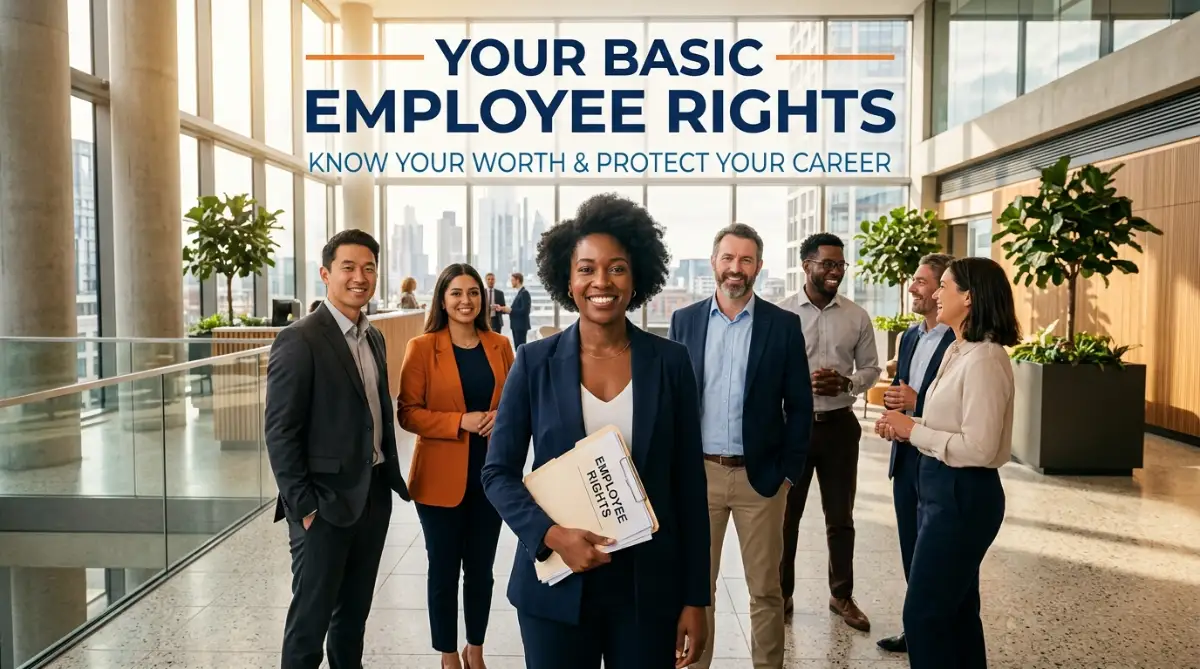
The Moment I Realized I Was Losing My Voice at Work
I remember a Tuesday evening that felt like it would never end. I was sitting at my small desk, the only one left in the building. My back was aching, and my eyes were blurry from looking at the screen for ten hours straight. I felt like I was drowning in work, but I was too afraid to say a word to my boss.
I used to think that being a "good employee" meant saying yes to everything. I thought that if I asked about my pay or complained about the heat in the office, I would be fired.
That fear kept me quiet for a long time. I was working extra hours for free, and my stress levels were through the roof.
Maybe you are in that same spot right now. You might feel a heavy weight in your chest every time you walk through the office doors.
It is a scary feeling to think that your livelihood depends on someone who might not have your best interests at heart. You want to speak up, but the words get stuck in your throat.
Living like this is exhausting. It takes a toll on your sleep and your happiness at home. When we don't know our rights, we are constantly on edge. We wonder if we are being treated fairly or if we are just another number in a big machine.
The truth is, many people face these same struggles every single day. They worry about their paychecks being short. They worry about being bullied by a manager. This lack of knowledge creates a gap where unfairness can grow.
I eventually learned that the law was on my side. Once I discovered the basic rules that protect workers, the fear started to fade away.
I realized that I wasn't just a helper; I was a person with legal protections. I want you to feel that same sense of power and security.
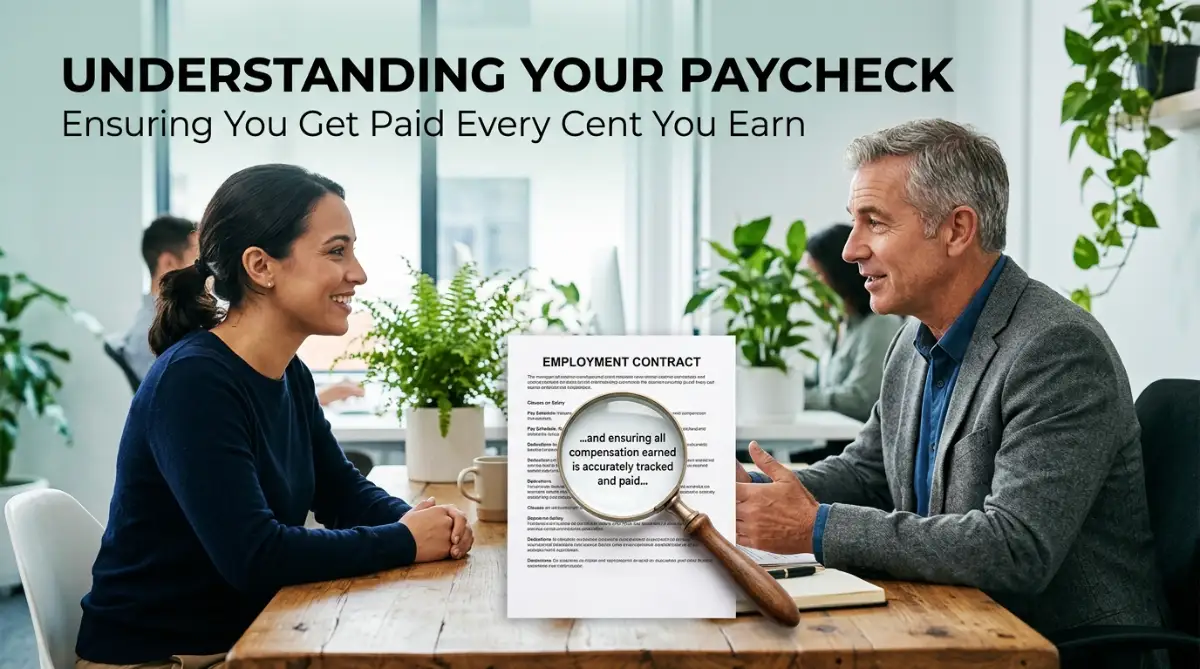
Getting Paid What You Are Truly Worth
The first and most common issue workers face is related to money. You spend your life energy at your job, and you deserve every cent promised to you. One of the most basic rights you have is the right to a fair minimum wage.
Many employers try to skip this by offering "flat rates" that actually fall below the legal limit. You need to check the specific laws in your area to see what the lowest legal pay is. If you are making less than that, something is wrong.
Then there is the issue of overtime. If you work more than the standard hours in a week, you are often owed extra pay. I used to stay late because I thought it showed "loyalty." I didn't realize I was actually giving away my time for free.
If your job requires you to stay late, they should be paying you for that time. Do not let anyone tell you that "it's just part of the culture" to work for free. Your time has value, and the law agrees with that.
I once worked for a company that "forgot" to pay me for three hours of overtime every week. I was too shy to ask about it at first. When I finally brought it up with my records in hand, they had to pay me back everything. My mistake was not tracking my hours from day one.
The Right to a Safe and Healthy Environment
You should never have to put your body in danger to earn a paycheck. Every worker has the right to a workplace that is free from known hazards. This is true whether you work in an office, a warehouse, or a shop.
Safety means having the right gear to do your job. It means having a space that is clean and well-lit. It also means having access to basic needs like water and a bathroom. If these things are missing, your rights are being ignored.
If you see something that looks dangerous, you have the right to report it. Your employer cannot fire you or treat you badly for pointing out a safety risk. They are legally required to fix problems that could hurt their staff.
Think about things like broken chairs, poor air quality, or exposed wires. These might seem like small things, but they can lead to big problems. You have the right to ask for a fix without feeling like a troublemaker.
Check out this helpful video that shows you how to speak up about safety without fear:
This video explains the best ways to talk to your boss about workplace hazards and stay protected.
Staying Safe from Discrimination and Harassment
A fair workplace is one where everyone is treated with respect. You have a legal right to work in an environment where you are not judged for things you cannot change. This includes your race, gender, religion, or any disabilities.
Discrimination can be hard to spot sometimes. It’s not always a mean word. Sometimes it’s being passed over for a promotion for no clear reason. Or maybe it’s being left out of a team project because of who you are.
Harassment is another big issue. No one has the right to make you feel uncomfortable or unsafe. This includes "jokes" that are offensive or unwanted physical contact. You do not have to "just deal with it" to keep your job.
If you feel you are being treated unfairly, start a diary. Write down what happened, who was there, and when it took place. This record is your best friend if you ever need to prove what is going on. It turns your feelings into hard evidence.
Your Right to Privacy and Personal Space
Even though you are at work, you are still a private citizen. You have a right to a certain level of privacy while you are on the job. While an employer can monitor company equipment, they generally shouldn't be snooping into your personal life.
This means your personal phone and your private social media should stay private. Your boss shouldn't be asking for your passwords or digging into your family life unless it’s truly necessary for your work.
In a world where we are always connected, this right is more important than ever. You have the right to keep your personal opinions and your home life separate from your professional identity. Setting these boundaries early can save you a lot of stress later on.
Be smart about what you do on company computers, though. Most offices have the right to see what is on their own network. Keep your personal business on your personal devices to stay safe.
The Importance of Taking Your Legal Breaks
We are humans, not robots. We need time to rest and refuel. Most labor laws give you the right to take short breaks during the day and a longer break for a meal. Skipping these breaks doesn't make you a hero; it makes you burned out.
I used to eat my lunch while answering emails. I thought I was being productive. In reality, my brain was tired, and I was making more mistakes. When I started taking my full thirty-minute lunch break away from my desk, my work actually got better.
If your manager tells you that you are "too busy" for a break, they might be breaking the law. You are entitled to that time to rest your eyes and your mind. It is a vital part of staying healthy and happy at work.
Don't feel guilty for taking the time that the law says is yours. Go for a walk, talk to a friend, or just sit in silence. This small window of time belongs to you, not the company.
Protecting Your Job When You Are Sick
Life happens. People get sick, and family members need care. You have the right to take time off for medical reasons without losing your job. There are specific laws that protect your position while you are dealing with a health crisis.
This is often called medical leave. It ensures that you can focus on getting better instead of worrying about how you will pay your bills. Your employer cannot simply replace you because you had an emergency.
I have seen many people try to work through a serious illness because they were scared of being fired. This only makes the illness worse and the recovery longer. Knowing that your job is safe allows you to take the rest you need.
Make sure you understand the rules for leave in your company. Usually, you need to provide a doctor's note and give as much notice as possible. Following the right steps will keep your protection strong.
Your Right to Talk About Your Pay
One of the biggest secrets in the workplace is how much people earn. Many employers will tell you that you are not allowed to talk about your salary with your coworkers. In many places, this is actually not true.
You often have a legal right to discuss your wages with others. This is one of the best ways to find out if you are being paid fairly. If a man and a woman are doing the same job but getting different pay, they would never know without talking about it.
Fairness thrives in the light. When pay is a secret, it’s easier for unfairness to stay hidden. You don't have to share your salary if you don't want to, but you should know that you have the right to do so if you choose.
Knowledge is power. When you know what the "market rate" is for your job, you are in a much better position to ask for a raise. It takes the guesswork out of your career growth.
Freedom from Retaliation for Speaking Up
This is perhaps the most important right of all. If you report a problem or ask for your rights to be respected, your employer cannot punish you for it. This is called protection from retaliation.
Punishment can look like many things. It might be a sudden demotion, a cut in your hours, or being treated coldly by your manager. If these things happen after you made a complaint, it is often illegal.
The law wants workers to feel safe when they speak up. Without this protection, nobody would ever report safety issues or pay theft. You have a shield that protects you from being "the person who gets in trouble" for doing the right thing.
If you feel you are being punished for speaking up, keep a very close eye on the changes in your workplace. Document every shift change or negative comment. This will help you if you need to take the matter further.
The Right to Leave a Toxic Job
Finally, you have the right to quit. You are not a servant; you are an employee. If a workplace is hurting your mental health or ignoring your rights, you have the freedom to walk away.
Sometimes the best way to stand up for your rights is to take your talents somewhere else. There are plenty of companies that value their workers and follow the law. You don't have to stay in a place that makes you feel small.
Leaving a job can be scary, but staying in a toxic one is often worse. Give your proper notice, stay professional, and move on to a better chapter. You deserve a workplace that respects you as much as you respect the job.
I truly believe that when we all know our rights, the entire world of work gets better. It raises the bar for everyone. You have the power to protect yourself, and it starts with the information you have learned today.
Smart Ways to Protect Your Career Like a Professional
Knowing your rights is a great start, but knowing how to use them is where the real magic happens. I have seen so many people who know they are being treated unfairly but have no idea how to fix it. It is like having a map but not knowing how to read the symbols.
One of the best things you can do is to start a "Workplace Journal." This isn't just a diary about your feelings. It is a factual record of your daily life at the office.
If a manager asks you to work late without pay, write down the date, the time, and exactly what was said.
I used to keep my notes on my work computer, which was a huge mistake. If you get locked out of your email or your desk, you lose all your proof. Always keep your personal records on your own phone or in a physical notebook at home.
This is one of the most important how to carefully read and understand a legal contract before signing habits you can build to protect your future.
You should also look for high-authority sources to back up your claims. Organizations like the International Labour Organization (ILO) provide global standards that many local laws are based on. When you can point to a specific rule or standard, you stop being "the person who is complaining" and start being the person who is informed.
Another secret is to build a network of "Workplace Allies." You don't have to be best friends with everyone, but having people who see what you see is helpful.
If a meeting gets out of hand or a manager is being unfair, having a witness makes a world of difference. It turns a "he said, she said" situation into something much stronger.
I also recommend doing a "Sunday Night Review" of your week ahead. Look at your schedule and see if there are any spots where your rights might be challenged.
If you see a meeting scheduled during your legal break time, plan how you will politely ask to move it. Being proactive is much better than being reactive.
If things get really tough, you might feel a lot of stress and pressure. Learning master your mind how to stay calm and think clearly under pressure will help you handle these meetings without getting emotional. When you stay calm, you keep the upper hand in any negotiation.
Lastly, always ask for things in writing. If your boss promises you a raise or a change in your hours, send a quick email to confirm it. Say something like, "Just to make sure I understood our talk today, we agreed on X, Y, and Z." This creates a paper trail that is very hard for them to ignore later.
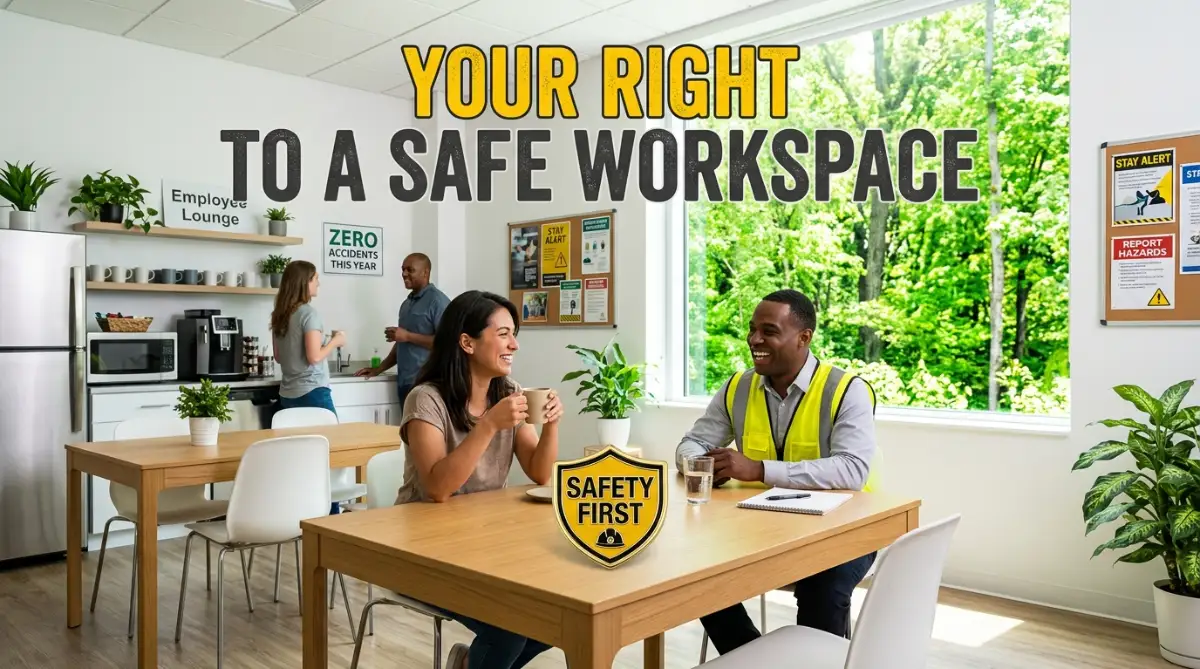
Traps That Can Hurt Your Job and Your Future
Even when you are in the right, it is easy to make mistakes that give the company an excuse to let you go. One of the biggest traps is letting your emotions take the wheel. I have seen people get so angry about an unfair rule that they yell at their boss.
Even if the boss was wrong first, the company can now fire you for "unprofessional behavior." You have to be like a stone—cool, solid, and hard to move. Don't give them a reason to turn the focus away from their bad behavior and onto yours.
Another common mistake is quitting your job in a moment of anger without having a backup plan. I know it feels good to say "I quit!" and walk out the door. But without an emergency fund financial safety net, you might end up in a worse situation very quickly.
You should also avoid talking about your legal issues with everyone in the breakroom. While discussing pay is often protected, gossiping about a potential lawsuit or a formal complaint can backfire. Keep your plans private and only talk to trusted friends, family, or a legal advisor.
Many people also make the mistake of not checking their don t let these personal loan mistakes ruin your finances or credit status before challenging an employer.
If you think you might lose your job for speaking up, you need to make sure your personal finances are in order. Having your money under control gives you the "walk-away power" you need to stand your ground.
Some workers also think that "HR is my friend." I learned the hard way that the Human Resources department is there to protect the company from legal trouble.
They might help you, but only if it serves the company's interests. Never go into an HR meeting without being fully prepared and knowing exactly what your rights are.
Don't forget to check the rules about your digital property. Many people lose their personal files because they saved them on a work laptop.
If you are planning to leave or if you are in a dispute, make sure your personal photos and documents are moved to your own device. You can learn more about this by reading how to secure your digital assets using hardware wallets and cold storage for a broader view of digital safety.
Finally, never sign a document that you don't fully understand. If they push a paper in front of you and say "sign this now," you have the right to ask for time to read it. A "severance agreement" or a "disciplinary write-up" can have hidden words that take away your right to sue or claim benefits. Always take it home and read every single line.
Your Path to a Respectful and Fair Workplace
To wrap everything up, remember that you are the most important part of your career. A job is just a contract where you give your time and skill for a fair reward. When that balance gets broken, it is up to you to notice it and take action.
You now have a better understanding of pay, safety, and how to keep records. These are not just ideas; they are tools that you can use starting tomorrow.
You don't have to change everything at once, but small steps can lead to big changes in how people treat you.
I want you to feel confident when you walk into your workplace. You are not just a worker; you are a person with dignity and legal protections. When you stand up for yourself, you make it easier for the person next to you to do the same.
The road might be a little bumpy, but having this knowledge makes you much stronger. Keep learning, keep documenting, and always trust your gut. If something feels wrong, it probably is.
I believe that every single person deserves to work in a place where they feel safe and valued. I have been through the stress of an unfair job, and I know how much it hurts.
But I also know the peace that comes when you finally stand up and say "no more" to being treated poorly. You have the power to change your story, and it starts today.
Common Questions About Workplace Rights
Can my boss fire me for asking for a raise?
In most places, you cannot be fired just for asking for a raise or discussing your pay. However, your boss could find other reasons to let you go if they are unhappy with the request. It is always best to ask for a raise by showing the value you bring to the company with facts and data.
Is it legal for my employer to track my personal phone?
If you use your personal phone for work, your employer might have some access if you signed a "Bring Your Own Device" (BYOD) policy. However, they generally cannot track your private calls or messages without your permission. To stay safe, it is always a good idea to keep your work and personal lives on separate devices whenever possible.
What should I do if my manager is bullying me?
First, start writing down every time the bullying happens with dates and witnesses. Check your employee handbook for a "Code of Conduct" or anti-harassment policy. If the behavior doesn't stop after a polite conversation, you should take your documented proof to HR or a supervisor you trust.
Do I have to work on my days off if my boss calls me?
This usually depends on your specific employment contract and whether you are an "on-call" employee. In many cases, you have the right to your rest time, and they cannot force you to work unless it was agreed upon beforehand. If they keep bothering you during your time off, it might be time to set some firm boundaries.
Can I be fired for reporting a safety issue to the government?
No, most countries have "Whistleblower Protection" laws that keep you safe from being fired for reporting hazards. If your employer tries to punish you for making a safety report, they are breaking the law. This protection is a key part of keeping every workplace safe for everyone.
Disclaimer: The information provided in this blog post is for educational and informational purposes only. It does not constitute legal advice. Laws regarding employment and worker rights vary significantly by country, state, and region. You should always consult with a qualified legal professional or a local labor board to understand the specific laws that apply to your situation before taking any legal action.
![Stop Content Thieves! How to Lock Down Your Digital Property [Step-by-Step]](https://nexvoramag.com/storage/uploads/blogs/1785996313_stop-content-thieves-how-to-lock-down-your-digital-property-step-by-step.webp)