
The Day I Realized My Mortgage Was a Liar
I still remember the feeling of holding my first set of house keys. My wife and I walked into our living room, and it felt like we had finally "made it." We had done the math a hundred times.
Our monthly mortgage payment was exactly $1,400, which was less than the rent we paid in the city. I felt like a financial genius.
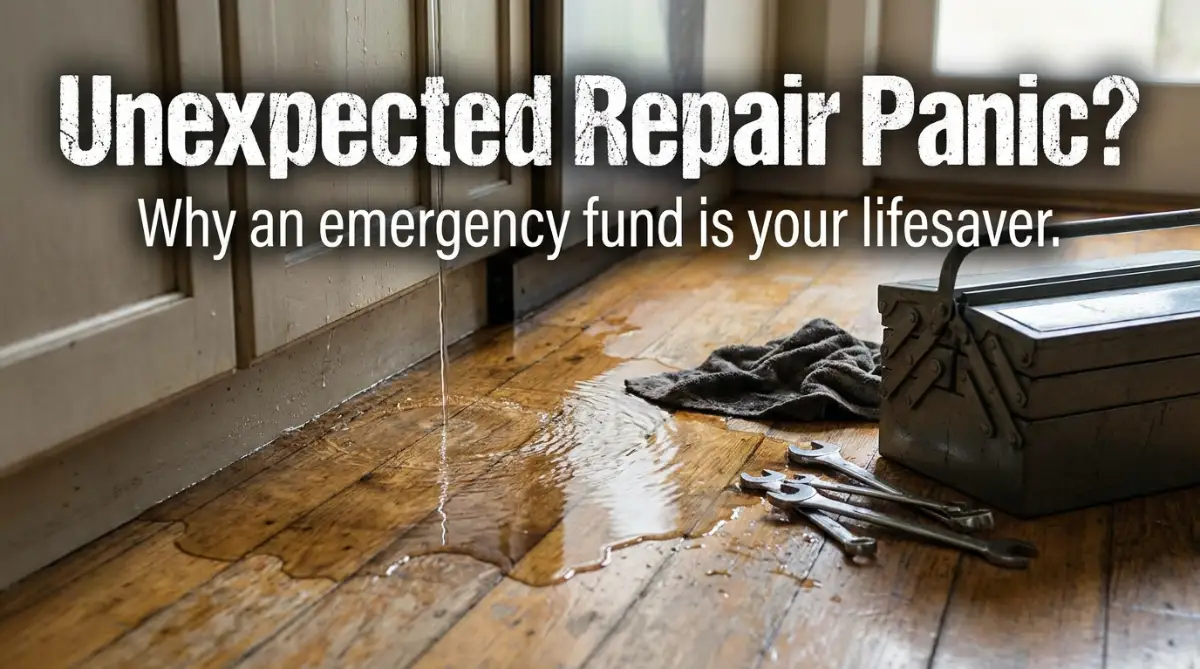
Then, three months later, the sky fell—or at least, my roof started leaking. It wasn't just a small drip; it was a steady stream coming through the guest bedroom ceiling.
I called a local contractor, thinking it would be a quick $50 fix. He climbed up, looked around, and told me the flashing was shot and it would cost $2,500 to fix.
My heart dropped into my stomach because that $2,500 wasn't in my "mortgage" math. I had spent all my extra cash on a new rug and a fancy lawnmower.
Suddenly, my "cheap" house felt very, very expensive. I spent that whole weekend worried about how I would pay for it without using a credit card.
It is a scary feeling when your home goes from a place of comfort to a source of stress. Many people I talk to today are going through the exact same thing.
They see a monthly payment on a website and think that is the total cost. But there are silent "money eaters" waiting in the walls, the grass, and the mail.
This constant worry about money can ruin the joy of being a homeowner. You start to fear every rainstorm or every weird sound the heater makes.
It feels like you are always one broken pipe away from a financial disaster. This mental weight is heavy, and it takes away your peace of mind.
I want to help you avoid the mistakes I made early on. Buying a home should be a win, not a trap. You deserve to sleep well at night knowing you have a plan for every single cent your house might demand. Let’s look at the reality of these costs so you can stay in control.
The Shocking Truth About Property Tax Increases
When you buy a home, the bank tells you what the taxes are right now. But here is the secret: they don't stay that way.
Your local government can reassess your home's value, and if your neighborhood gets popular, your taxes go up. I’ve seen people’s monthly payments jump by $200 overnight just because of a tax hike.
You need to check how often your county changes their tax rates. If you live in a place where schools are being built or roads are being paved, expect that bill to grow. It is a cost you can't run away from as long as you own the land.
I always tell my friends to look at the tax history of a house before signing. If the taxes haven't changed in five years, you are likely due for a big increase soon. Being ready for this shift is the difference between keeping your house and being forced to sell.
The Never-Ending Cycle of Home Maintenance and Care
In an apartment, the landlord fixes the sink, but in a house, that person is you. Maintenance is like a slow leak in your bank account if you don't stay ahead of it. Things like cleaning the gutters, servicing the AC, and checking for bugs are non-negotiable.
A common rule is to save 1% of your home's value every year just for these small tasks. If your house is worth $300,000, you need $3,000 in a side account ready to go. It might seem like a lot, but a $100 air filter change can save you from a $5,000 AC replacement later.
I learned this the hard way when I ignored a small crack in my driveway. One winter later, that crack turned into a huge hole that cost three times as much to fix. Small efforts now stop big bills later. Your house is a living entity that requires constant attention to remain healthy.
Why Your Insurance Policy Might Have Hidden Gaps
Most people just buy the insurance the bank requires and never look at it again. This is a huge risk because basic plans often miss the most expensive problems.
For example, standard insurance usually doesn't cover flood damage or water backing up through your drains.
I had a friend who lost his whole basement to a sewage backup. He thought he was covered, but his agent told him he didn't have the specific "sewage rider" on his policy.
He lost $15,000 worth of furniture and electronics in one afternoon. It was a heartbreaking lesson in reading the fine print.
Take an hour this week to call your insurance agent. Ask them "what is NOT covered?" instead of asking what is.
Knowing where you are weak allows you to buy the right protection before the storm hits. It's one of the best ways to protect your long-term wealth.
Mastering the Monthly Budget for Utility Surprises
When you move from a small space to a house, your light and water bills will grow. You have more square footage to heat in the winter and more air to cool in the summer. Even a small lawn can add $50 a month to your water bill if you want it to stay green.
I was shocked when my first winter heating bill arrived. It was double what I had paid at my old apartment. I realized the windows in my "new" house were old and letting all the warm air escape. I was basically paying to heat the backyard!
Before you buy, ask the current owners for their average monthly utility costs. This gives you a real-world number to put into your budget.
If the bills are high, you might need to invest in better insulation or a smart thermostat to keep costs down.
See how expert homeowners build a fail-proof maintenance schedule.
The Hidden Trap of Homeowners Association (HOA) Assessments
If your home is in an HOA, you already know about the monthly dues. But did you know about "special assessments"? These happen when the community needs a big repair, like a new roof for the clubhouse, and they don't have enough money in their savings.
The HOA board can vote to charge every homeowner an extra $1,000 or even $5,000 to cover the cost. You are legally required to pay it, and it usually comes with very little warning. It can feel like a surprise punch to your wallet.
Pro Tip: The Manual "Home Audit" Strategy
I started doing a "walk-around" of my house on the first day of every month. I look at the base of the walls, the ceiling corners, and the yard for any small changes. Catching a tiny leak or a loose shingle early has saved me thousands of dollars over the years.
The High Cost of Keeping Up with the Neighbors
There is a psychological cost to homeownership that no one talks about. When you see your neighbor get a professional landscaping job or build a new deck, you feel the urge to do the same. This "lifestyle creep" can destroy your savings faster than a broken pipe.
It is easy to justify spending $2,000 on a new fence because it "adds value" to the house. But if you are using credit to do it, you are losing money on interest. Your house doesn't have to be perfect in the first year.
Focus on the things that keep the house safe and dry first. The pretty stuff can wait until you have the cash saved up. Being the neighbor with the "okay" yard but a huge bank account is much better than having the best yard and zero savings.
Preparing for the Final Sting of Closing Costs
Even before you move in, you are hit with fees that many people forget to calculate. Closing costs are the fees paid to lawyers, the bank, and the government to finalize the sale. They usually range from 2% to 5% of the total price of the home.
If you buy a house for $400,000, you might need to pay $12,000 just in fees on the day you sign. I have seen many buyers get to the finish line and realize they don't have enough money left for these costs. They end up having to borrow more money or lose the house.
Always keep a separate "closing fund" that is different from your down payment. This ensures you can cross the finish line without any stress. Being prepared for the end of the process is just as important as starting it.
Why Landscaping Is Not Just About Mowing Grass
A yard is a beautiful thing, but it is also an expense. You need tools, fertilizer, mulch, and sometimes professional help for large trees. If a large tree dies and leans toward your house, removing it can cost $1,500 or more.
I didn't think about this until a heavy storm knocked a branch through my fence. Fixing the fence and cleaning up the debris cost me a full weekend and several hundred dollars. Nature is beautiful, but it can be expensive to manage.
Think about how much time and money you are willing to spend outside. If you don't like yard work, you will have to pay someone else to do it. That is another $100 to $200 a month that needs to be in your budget.
Summary of the Journey Toward Financial Safety
Homeownership is one of the best ways to build a future for your family. It gives you a place to grow and a sense of pride that renting never can. But the key to enjoying it is being honest about the total cost.
By looking at these seven hidden expenses, you are already ahead of most buyers. You aren't just looking at the sticker price; you are looking at the long-term reality. This knowledge is your power and your protection.
Smart Strategies to Master Your Home Budget Long-Term
Now that you know what those sneaky costs are, you need a plan to fight back. I spent years paying too much because I didn't know these expert tricks.
Once I started treated my home like a small business, my bank account finally started to grow again.
One of the most powerful things you can do is learn the art of property tax appeals. Many people don't realize that the government’s guess about your home's value is often wrong. If you can prove that similar houses in your area sold for less, you can ask for a lower tax bill.
I tried this myself after a neighbor sold their house at a discount. I spent a few hours looking at local records and filed a simple form with the county office.
A month later, my annual tax bill dropped by $600, which felt like finding free money on the ground.
You should also look into how to lower monthly utility bills through sustainable home energy habits to keep your cash in your pocket.
Most homes have "energy leaks" in places you would never think to look. Small gaps around your front door or old attic insulation can cost you hundreds of dollars every single year.
I started doing my own "energy audit" every spring. I walk around with a simple incense stick and watch where the smoke blows near windows.
If the smoke dances, it means air is escaping, and I need to apply some cheap caulk or weather stripping.
Building a Sustainable Maintenance Calendar
Another secret is to stop waiting for things to break before you fix them. I used to be a "reactive" homeowner, which means I only cared about the roof when it leaked.
That is the most expensive way to live because emergency repairs always cost more than planned ones.
Create a simple "House Health" checklist for every season. In the spring, check your gutters and the grading of the soil around your foundation.
In the fall, make sure your heater is cleaned and your pipes are insulated for the cold.
This proactive approach helps you increase your home value without major renovations. A well-maintained home sells for much more than a house that has been ignored for a decade.
It also gives you a huge sense of pride when you know every inch of your property is in top shape.
You can find official maintenance schedules from groups like the National Association of Home Builders, which help you track when to replace big items.
Knowing that your water heater is nearing the end of its life allows you to save slowly rather than panicking later.
I keep a digital folder on my computer with photos of every repair I do. This is great for my own records, but it is also a massive selling point if I ever decide to move. Buyers love seeing that a house was loved and cared for by someone who paid attention to the details.
The Power of a Dedicated Emergency Fund
If you really want to sleep well, you need a dedicated "House Emergency Fund." This is different from your regular savings or your retirement money. This cash is only for when the "hidden costs" we talked about show up at your door.
I started my fund by following emergency fund 101: 5 easy steps to financial peace. Having even $1,000 tucked away specifically for the house changed my life. When my dishwasher flooded the kitchen last year, I didn't cry—I just called the plumber and paid the bill.
That feeling of being prepared is worth more than any fancy furniture or new TV. It turns a potential disaster into just a small annoyance. You stop seeing your home as a threat and start seeing it as the sanctuary it was meant to be.
Plus, having this fund prevents you from using high-interest credit cards for repairs. Debt is another hidden cost that can multiply the price of a simple repair by three or four times. Staying cash-based for your house repairs is the smartest financial move you can make.

Fatal Financial Traps That Catch New Homeowners
One of the biggest mistakes I see people make is skipping the yearly inspection. They think that because they had a home inspection when they bought the house, they are safe forever. But a house changes every single year with the weather and the ground shifting.
You should always try to avoid these 5 costly home inspection mistakes even after you move in. Hiring a pro to look at your roof or foundation every few years can save you $20,000 in future repairs. It’s a small price to pay for catching a problem while it’s still small and easy to fix.
Another trap is getting too comfortable with your monthly budget and stopping your savings. People think that once they are "settled in," the big expenses are over.
But as we discussed, the real costs of homeownership are often cyclical and surprise you when you least expect them.
I’ve seen families get stuck because they spent their "repair money" on a luxury vacation. Two weeks after they got back, their furnace died, and they had to take out a high-interest loan. It broke my heart to see them lose all their financial progress because of one bad choice.
It is so easy to fall into the trap of "lifestyle creep." You see your neighbors buying new cars or adding a pool, and you feel like you are falling behind. But you don't know if they are paying for those things with debt that is quietly ruining their future.
Focus on your own debt-free roadmap: your 30-day budget blueprint. Your house is an investment, not a way to show off to people you don't even know. Staying disciplined with your money is the only way to truly enjoy the home you worked so hard to get.
You can also check the Consumer Financial Protection Bureau for tips on managing your mortgage and escrow accounts.
Sometimes banks make mistakes with your tax payments, and you need to be the one to catch them. Being an active manager of your finances is your best defense against losing money.
Finally, never ignore the small signs of damage. A tiny water stain on the ceiling or a funny smell in the basement is your house trying to tell you something.
Ignoring these signs is like ignoring a check engine light in your car—it only leads to a much bigger bill down the road.
Your New Life as a Confident Homeowner
Stepping into the world of homeownership is a big deal, and I am so proud of you for doing the research.
Most people just cross their fingers and hope for the best, but you are building a real strategy. You now know more about the "real" cost of a house than 90% of buyers out there.
Remember that you don't have to do everything perfectly at once. It’s okay to learn as you go, as long as you have that safety net in place.
Start small by trying to stop the money leak: easy ways to slash household spending. Every dollar you save on groceries or subscriptions is a dollar that can go toward your new home's future.
Your home is more than just four walls and a roof; it is the stage where your life happens. It’s where you will celebrate holidays, host friends, and find quiet moments of rest.
By managing the costs, you make sure those memories are happy ones instead of being clouded by money stress.
I want you to take a deep breath and look around your space. Think about one small thing you can do this weekend to make your house better or safer.
Maybe it’s just checking the batteries in your smoke detectors or looking at your latest tax bill. These small steps are how you win the long game.
I truly believe that anyone can be a successful homeowner if they just stay curious and careful. My own journey was full of bumps, but those lessons made me the expert I am today.
I am so happy I can share these secrets with you so your path can be much smoother than mine.
Go out there and be the best manager your home has ever had. You have the tools, the knowledge, and the heart to make this work. Your future self will thank you for the smart choices you are making right now.
Common Questions About Home Costs
How much should I actually save for a house emergency?
Most experts suggest having at least three to six months of total living expenses in a liquid account. However, specifically for house repairs, try to keep at least $2,000 to $5,000 ready for the most common issues like a broken appliance or a small leak.
Can I really lower my property taxes by myself?
Yes, you absolutely can, and it is more common than you might think. You just need to gather data on similar homes in your area and present it to your local assessor's office during the appeal window.
Is a home warranty worth the extra monthly cost?
It depends on the age of your home and your appliances. For some, it provides great peace of mind for the first year, but many homeowners find that simply saving that monthly fee in their own repair fund is a better long-term deal.
How do I know if my utility bills are too high?
Compare your bills with neighbors who have similar-sized homes or look at your local utility company’s average data. If your bill is 20% higher than average, you likely have insulation issues or old appliances that are wasting energy.
What is the most expensive hidden cost of a house?
Usually, it is major structural maintenance like a new roof or foundation repair. These can cost between $10,000 and $30,000, which is why catching small leaks or cracks early is so important for your wallet.
Disclaimer: The information provided in this article is for educational and informational purposes only. I am not a financial advisor or a licensed real estate professional. Real estate laws and tax rules vary by location, so please consult with a local expert before making any major financial decisions or legal appeals regarding your property.
![Why Owning a Home Feels Impossible Right Now [A Realistic Guide]](https://nexvoramag.com/storage/uploads/blogs/1786773471_why-owning-a-home-feels-impossible-right-now-a-realistic-guide.webp)

![Avoid These 5 Costly Home Inspection Mistakes [Step-by-Step]](https://nexvoramag.com/storage/uploads/blogs/1785927325_avoid-these-5-costly-home-inspection-mistakes-step-by-step.webp)