The Hidden Anxiety of Buying Your First Home
I still remember the day I walked into what I thought was my dream house. The paint was fresh, the kitchen was sparkling, and I could already see myself hosting Sunday dinners there. My heart was thumping with excitement because I finally found "the one."
But then, a friend asked me a question that stopped me cold. "Have you looked at the foundation or the electrical panel?" I realized I had no idea what I was doing. I was looking at the curtains while the bones of the house might have been rotting.
That realization turned my excitement into pure, unadulterated fear. I spent the next three nights staring at the ceiling, wondering if I was about to make a massive financial mistake. I didn't want to lose my life savings on a house that would fall apart in a month.
The reality is that most of us are never taught how a house actually works. We see a beautiful porch and a big yard, but we don't see the cracked pipes under the floor. It is a lonely feeling to stand in a house and not know if it is safe for your family.
This stress can eat away at your peace of mind. You start second-guessing every choice and every dollar you spend. It feels like you are walking through a dark room with a tiny flashlight, hoping you don't trip over something expensive.
Many first-time buyers I talk to feel the exact same way. They feel pressured by agents and rushed by the market. They worry that if they ask too many questions, they might lose the house. But your safety and your bank account are more important than a fast closing.
The mental load of "not knowing" is often heavier than the actual repairs. You imagine the worst-case scenarios, like the roof caving in or the basement flooding. It makes the joy of buying a home feel like a heavy burden instead.
I want you to know that it is okay to be scared. Every person who has ever bought a home felt that same knot in their stomach during the inspection. You are not alone in this struggle to understand the fine print of a property.
The good news is that you don't have to be a construction expert to protect yourself. You just need a solid plan and the right people in your corner. Once you understand the process, that fear starts to melt away.
Choosing Your Home Inspection Partner Wisely
The first big step in this journey is picking the right person to look at your future home. You don't just want someone with a license; you want someone with "detective eyes." A good inspector is like a private investigator for real estate.
I once hired an inspector just because he was the cheapest option on the list. That was a mistake I still regret today. He spent twenty minutes in the house, checked a few lights, and told me everything was fine.
Two weeks after I moved in, the water heater exploded. He had missed the clear signs of rust and age. Now, I always tell people to look for someone who has a background in building or engineering.
You should read reviews that specifically mention how "picky" the inspector is. You want someone who will spend three or four hours crawling through the dirt to find a leak. A "quick" inspection is usually a bad inspection.
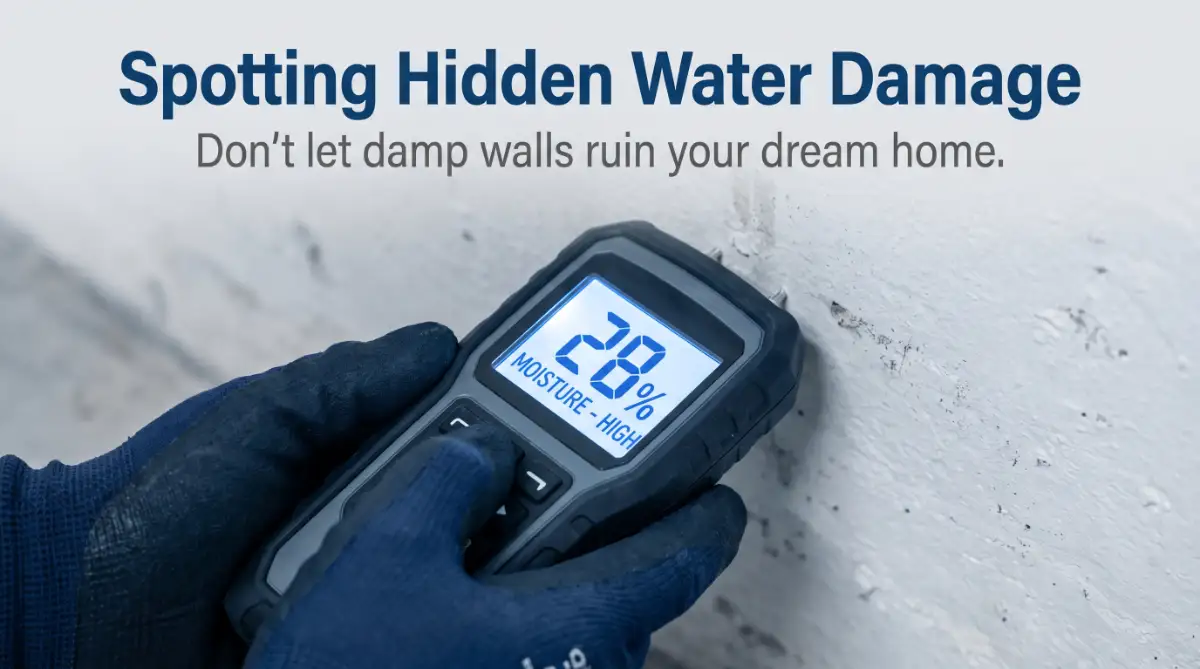
Ask them if they use modern tools like thermal cameras or moisture meters. These gadgets can see things the human eye simply can't. It is the difference between guessing and actually knowing what is happening inside the walls.
Pro Tip: I always ask a potential inspector if I can follow them around during the process. If they say "no" or seem annoyed, I don't hire them. You are paying for their time, and you deserve to learn about your home while they work.
Understanding the Structural Integrity of the House
Once the inspection starts, the foundation is the most important thing to check. Think of the foundation as the feet of the house. If the feet are broken, the whole body is going to have problems down the road.
We look for cracks that are wider than a quarter of an inch. While small "settling" cracks are common in older homes, horizontal cracks can be a major warning sign. They often mean the soil is pushing too hard against the walls.
You also want to look at the grading of the yard. This just means checking if the ground slopes away from the house. If the dirt slopes toward the house, every rainstorm is sending water straight to your foundation.
This water can cause the wood to rot and attract pests like termites. Termites love damp wood more than anything else. Fixing a foundation can cost tens of thousands of dollars, so we take this part very seriously.
We also check the windows and doors to see if they stick. If a door won't close properly, it might not be a bad hinge. It could be a sign that the house is shifting or leaning to one side.
Visualizing the Red Flags
If you want to see exactly what a foundation crack looks like compared to a simple settling line, you need to see it in action. Seeing these issues in real-time makes them much easier to spot during your own walkthrough.
Check out this expert breakdown of structural red flags you should never ignore.
Evaluating the Roof and Exterior Systems
The roof is your first line of defense against the elements. A bad roof can lead to mold, ruined drywall, and electrical shorts. It is one of the most expensive things to replace on a house.
Your inspector should ideally get up on the roof if it is safe. They are looking for missing shingles or tiles that are curling up at the edges. They also check the "flashing," which is the metal bits around chimneys and vents.
If the flashing is rusted or missing, water will find its way in. We also look at the gutters to see if they are clogged or pulling away from the house. Gutters that don't work are a leading cause of basement floods.
I once looked at a house where the roof looked brand new from the ground. But when the inspector got up there, he found that the new shingles were just nailed over three old layers of roofing. It was a total fire hazard.
This is why you can't just trust your eyes from the sidewalk. You need a professional who knows how to spot "masking" repairs. Some sellers try to hide big problems with a quick coat of paint or cheap fixes.
Navigating the Electrical and Plumbing Maze
Electrical problems are not just expensive; they are dangerous. We look for old wiring types like knob-and-tube or aluminum wiring. These can be very hard to insure in many parts of the country.
The inspector will open the main electrical panel to see if it is messy or "double-tapped." This happens when someone tries to jam two wires into a spot meant for one. It is a common DIY mistake that can cause fires.
We also test every single outlet in the house to make sure they are grounded. This is especially important in kitchens and bathrooms where water is present. You need GFCI outlets in those areas to keep your family safe.
Plumbing is the next big hurdle for first-time buyers. We turn on every faucet and flush every toilet at the same time. This tests the water pressure and shows us if the drains are moving slowly.
We are also looking for the age of the pipes. If the house has old galvanized steel pipes, they might be rusting from the inside out. This leads to low water pressure and eventually, a very expensive repiping job.
I once walked away from a house because the inspector found "polybutylene" pipes. These are known to burst without warning. Knowing that saved me from a literal indoor swimming pool in my living room later on.
The Importance of HVAC and Air Quality
The heating and cooling system (HVAC) is the heart of your home’s comfort. An old furnace can be a silent killer if it is leaking carbon monoxide. We check the heat exchanger for any tiny cracks.
The inspector will also look at the age of the AC unit. Most units only last about fifteen to twenty years. If the unit is old, you need to budget for a replacement soon, even if it is working today.
We also look at the ductwork to see if it is dirty or disconnected. Leaky ducts mean you are paying to heat your attic instead of your bedroom. It is a simple fix, but it tells us how well the previous owner cared for the house.
Air quality also involves looking for signs of mold. We check under sinks and around windows for any fuzzy black or green spots. If the house smells "musty," there is almost certainly a moisture problem somewhere.
Mold can cause serious health issues, especially for children or people with allergies. If we find mold, we usually recommend a specialized test to see what kind it is. It is always better to be safe than sorry when it comes to the air you breathe.
Checking for Unwanted Guests and Pests
No one wants to share their new home with termites, mice, or roaches. Pests can do incredible damage to the structure of a house before you even see one. We look for "frass," which is basically termite droppings.
We also check the wood in the basement and crawlspace for "mud tubes." These are little tunnels termites build to travel safely. If we find these, the house will need a professional treatment immediately.
Rodents can also be a big problem. They chew through electrical wires and ruin insulation with their waste. We look for holes in the exterior where they might be getting inside the walls.
I remember a house where the owner had "solved" a mouse problem by stuffing steel wool into holes. My inspector found it in seconds. It showed me that the owner was looking for quick fixes instead of real solutions.
Dealing with pests is part of being a homeowner, but you don't want to start your journey with an infestation. It is a cost you should ask the seller to cover before you sign the final papers.
The Final Walkthrough and the Inspection Report
After the physical inspection is over, you will receive a long PDF report. This document can be fifty or sixty pages long and very intimidating. Don't let the size of the report scare you.
Most of the items in the report will be small "maintenance" issues. Things like a loose doorknob or a cracked light cover are not big deals. You want to focus on the "big five": Roof, Foundation, Electrical, Plumbing, and HVAC.
I always suggest sitting down with a cup of coffee and a highlighter. Mark the items that affect safety first. Then mark the items that will cost a lot of money to fix. Everything else is just a "to-do" list for later.
You can use this report to ask the seller for a "credit" or a price reduction. This means they give you money back at the end to help you pay for the repairs. It is a normal part of the negotiation process.
Remember, no house is perfect. Even a brand-new house will have a list of small issues. The goal of the inspection isn't to find a perfect house; it is to make sure you know exactly what you are buying.
When you have that report in your hand, you have the power. You are no longer guessing or hoping. You are making an informed decision for your family and your future. That is the best feeling in the world.
Take your time with the report. Ask your inspector to explain anything you don't understand. There are no stupid questions when it comes to your first home. You deserve to feel confident and secure in your choice.
Expert Strategies for a Deeper Look at Your Future Home
Once you have the basic inspection report, you might think you are done. However, standard inspections often stay on the surface. To truly protect your investment, you need to look at the hidden systems that most people ignore.
I always recommend looking into specialized tests if the house is older. A sewer scope is a great example of an "expert secret" that saves you from a nightmare. This involves sending a camera down the main drain line to check for cracks or tree roots.
If those pipes are broken, you could face a bill for ten thousand dollars or more. It is a small price to pay now to avoid a massive headache later. You should also consider how to evaluate the long-term growth potential of a residential neighborhood before investing to ensure your home's value stays high.
Another advanced tip is to ask for a thermal imaging scan. This high-tech camera sees temperature differences behind the walls. It can find hidden water leaks or missing insulation that a regular flashlight would miss.
It feels like having x-ray vision for your house. If the inspector finds a cold spot where it should be warm, you might have a moisture problem. Catching this early is the best way to prevent mold from growing in your new home.
I also suggest checking for radon gas, especially in certain parts of the country. Radon is an invisible, odorless gas that can cause health issues over time. A simple forty-eight-hour test can tell you if the levels are safe for your family.
You should also take a close look at the property’s drainage during a heavy rain. If you see puddles forming against the foundation, you have a problem. This is a common issue that many sellers try to hide with fresh mulch or flowers.
Long-term success as a homeowner starts with a deep understanding of maintenance. You can learn more about how to increase your home value without major renovations through simple daily habits. Keeping your home in top shape prevents small issues from becoming big disasters.
Don't forget to check the age and condition of the appliances. While they aren't part of the "structure," replacing a fridge and stove at the same time is expensive. Make sure to test the oven and the dishwasher during your final walkthrough.
I also recommend talking to the neighbors if you can. They often know the history of the house better than anyone. They might tell you about a basement flood that happened years ago or a tree that falls every winter.
Taking these extra steps makes you a much smarter buyer. You are moving from a position of "hoping" to a position of "knowing." That confidence is what makes the home-buying journey actually enjoyable instead of just scary.
The Dangerous Traps That Catch New Buyers Off Guard
One of the biggest mistakes I see people make is falling in love with "lipstick." This means you get so excited about the new granite counters that you ignore the rusty furnace. Sellers know exactly how to distract you with pretty things.
I have seen people skip the inspection entirely just to win a bidding war. Please, never do this. You are essentially signing a blank check for repairs that you didn't plan for. It is better to lose a house than to buy a money pit.
Another major pitfall is not attending the inspection in person. You need to be there to see the issues with your own eyes. Reading a report is helpful, but seeing a leak in real-time is much more impactful.
When you are there, you can ask questions and get immediate answers. You will learn where the main water shut-off valve is and how to change the furnace filters. This knowledge is priceless for someone who has never owned a home before.
Some buyers also make the mistake of being too aggressive with repair requests. If you ask for fifty tiny things, the seller might get frustrated and walk away. Focus on the safety issues and the big structural problems instead.
You should also be careful about who you trust for advice. Your real estate agent wants to close the deal, but your inspector works only for you. Always listen to the person who has no financial interest in whether you buy the house or not.
I also see people forget to check the permits for recent renovations. If the previous owner added a deck or finished the basement without a permit, you could be responsible. The city might force you to tear it down or pay heavy fines later on.
It is also a good idea to understand your financial limits before you get too deep. Following a debt-free roadmap or a 30-day budget blueprint can keep your finances stable during this transition. You don't want to be "house poor" because of unexpected repair costs.
Ignoring the "smell" of a house is another common error. If a basement smells like old wet socks, there is a reason for it. Masking scents like candles or air fresheners are often used to hide mold or pet odors.
Finally, don't let the pressure of the market rush your decision. A house is likely the biggest purchase you will ever make. You have the right to take a breath and think about the inspection results before you commit.
Mastering the Art of Post-Inspection Negotiation
Once you have the list of issues, it is time to talk to the seller. This part of the process can feel like a high-stakes game of poker. You want the house, but you don't want the problems that come with it.
You have three main options: ask for repairs, ask for a price reduction, or ask for a closing credit. I usually prefer a closing credit. This gives you the cash at the end to hire your own contractors.
When the seller does the repairs, they often pick the cheapest person they can find. You want the job done right, not just done quickly. Having control over the repair process ensures your home stays safe for years.
Make sure you get everything in writing. If the seller promises to fix the roof, it needs to be part of the legal contract. You should also check out how to stop losing money during the home selling and buying process to protect your interests.
If the issues are too big, don't be afraid to walk away. Your contract should have an "inspection contingency" that lets you leave with your deposit. It is a safety net designed specifically for this moment.
I remember a buyer who found out the house had a massive mold colony behind the shower wall. The seller refused to fix it or lower the price. The buyer walked away, and three months later, they found a much better house for less money.
Always keep your emotions in check during this phase. It is a business transaction, not a personal fight. If you stay calm and logical, you are much more likely to get what you want from the deal.
You should also think about your future and how this home fits into your estate. Understanding what a last will and testament is and why it matters is part of responsible homeownership. It ensures your new asset is protected for your loved ones.
The Final Checklist Before You Sign the Papers
Before the closing day, you get one last chance to walk through the house. This is called the final walkthrough. This is not the time to look at the view; it is the time to check the repairs.
Bring your original inspection report and make sure every agreed-upon fix was actually done. Turn on the lights, flush the toilets, and check the ceilings for new water spots. Sometimes things break while the sellers are moving out.
If something is wrong, do not sign the papers until it is resolved. Once you sign, the house and all its problems belong to you. Your lawyer or agent can hold money in "escrow" until the repair is finished.
You should also check that the sellers didn't take things they were supposed to leave. Items like light fixtures, appliances, or window treatments are usually included in the sale. If the house looks different than it did during the inspection, speak up immediately.
It is also helpful to verify your insurance coverage one last time. Make sure your policy covers the specific risks of the area, like floods or earthquakes. You can look at why comprehensive insurance is essential for owners to understand how different types of protection work.
Once you are satisfied, take a moment to celebrate. You have navigated one of the most complex parts of the home-buying process. You have done the work, asked the hard questions, and protected your future.
Your Path to a Confident Home Purchase
Buying your first home is a huge milestone that marks a new chapter in your life. While the inspection process feels long and tiring, it is the best tool you have for peace of mind. You have moved from being a curious buyer to an informed homeowner.
Everything you have learned—from checking the foundation to negotiating repairs—will help you for years. You are now equipped to handle the challenges of home maintenance with ease. This journey has given you the skills to keep your investment safe and growing.
I want you to feel proud of the effort you put in. Many people rush this step, but you took the time to do it right. Your future self will thank you every time you walk through your front door and feel secure.
I have stood in your shoes before, feeling that mix of fear and excitement. I promise that the more you know about your home, the more you will love living in it. Take that first step today and start your journey with total confidence!
Disclaimer: The information provided in this article is for educational and informational purposes only. I am not a licensed home inspector, real estate attorney, or financial advisor. Laws and building codes vary by location and are subject to change. Always consult with a qualified professional in your local area before making any significant financial or legal decisions regarding real estate.
Common Questions About the Home Inspection Process
How long does a typical home inspection take?
A standard home inspection usually takes between two and four hours. This depends on the size of the house, its age, and the overall condition of the property. You should plan to be there the entire time to learn about the systems of the home.
Can a house "fail" a home inspection?
No, a house does not actually pass or fail an inspection. The inspector simply provides a report on the current condition of the house. It is up to you to decide if the issues found are things you are willing to fix or negotiate.
Who pays for the home inspection?
In almost every case, the buyer pays for the home inspection. This ensures that the inspector is working directly for you and has your best interests in mind. Consider it an investment in your future peace of mind and financial security.
What happens if the inspector finds a major problem?
If a major issue is found, you have several options. You can ask the seller to fix it, ask for a lower price, or walk away from the deal entirely. Your real estate agent will help you navigate these negotiations based on your contract.
Should I inspect a brand-new home?
Yes, you should always inspect a new construction home. Builders can make mistakes just like anyone else, and it is better to catch them before you move in. An inspection ensures that everything was built according to the proper safety standards.