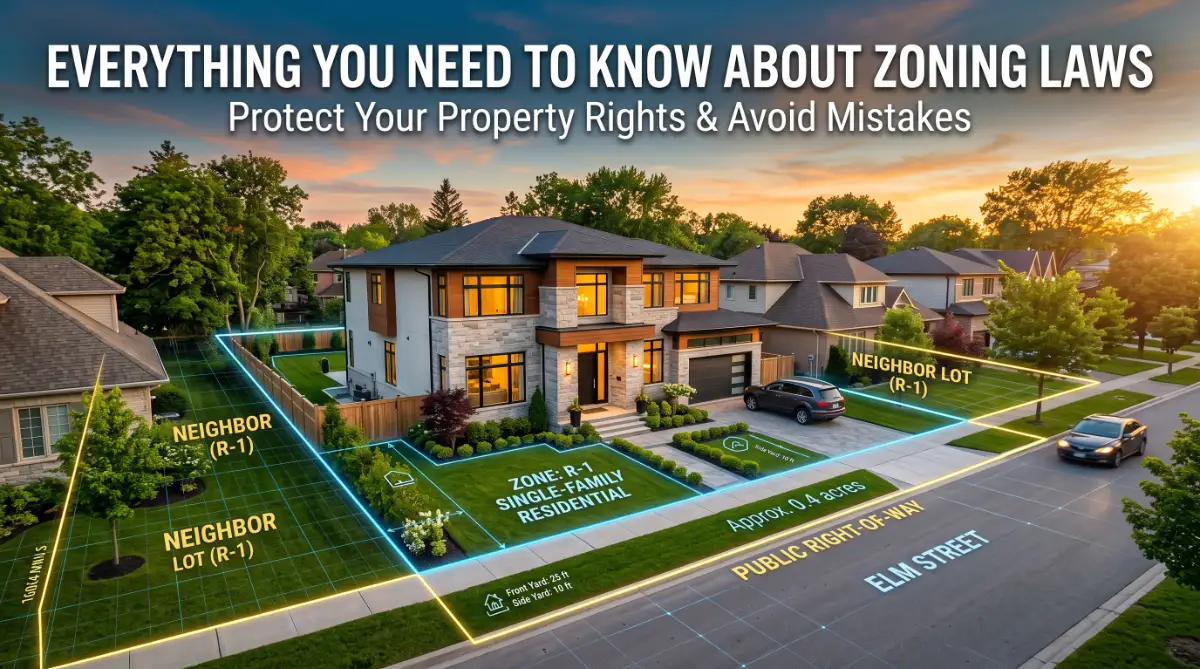
The Hidden Trap Beneath Your Property Lines
I remember the day I decided to build a small workshop in my backyard. I had saved up for months, bought the best cedar wood, and even cleared the spot behind my oak tree. I thought, "It is my land, so I can do what I want."
Two weeks into the project, a city inspector knocked on my door. He told me my workshop was three feet too close to the neighbor's fence. He handed me a fine and told me I had to tear it down.
My heart sank into my stomach. I felt cheated and small. I had worked so hard, yet a rule I didn't even know existed was taking it all away.
That was my first real lesson in local zoning laws. Most homeowners think buying a house means you own the air above it and the dirt below it. But that is not always true.
The reality is that your local government has a huge say in what you do with your home. These rules are often buried in thick books at city hall. If you ignore them, it can lead to massive stress and lost money.
Many people feel a deep sense of frustration when they realize they can't even paint their house a certain color or park a boat in their driveway. It feels like your "dream home" has a lot of "hidden strings" attached.
This stress ruins the peace of living in your own home. You start to worry every time you see a city truck drive by. You wonder if your new fence or that extra room you built is going to get you in trouble.
It is an emotional roller coaster. One day you are excited about an upgrade, and the next, you are scared of a legal notice. But it does not have to be this way if you know how the system works.
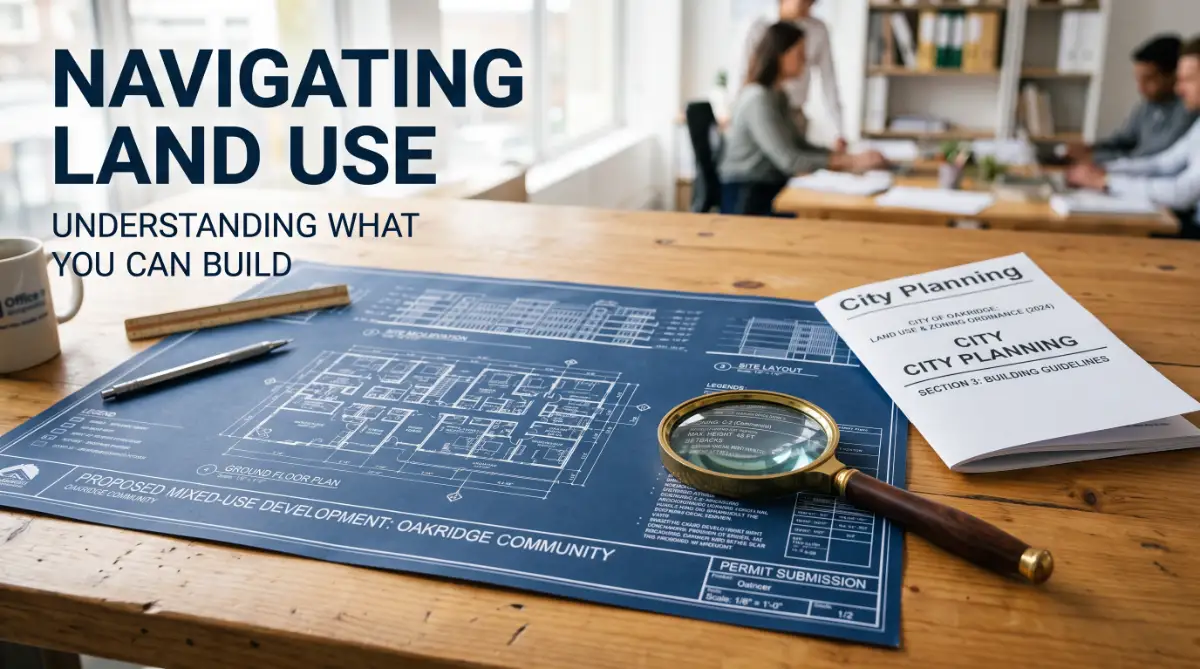
Getting to Know Your Land’s "Secret" Instructions
Zoning laws are basically the rulebook for your neighborhood. They decide if a street stays quiet with houses or gets busy with shops. To keep your peace of mind, you need to understand these basic pillars of property use.
Finding Your Zone on the Map
Every city has a zoning map. You can usually find this on your city or county website. It looks like a giant colorful puzzle. Each color represents a different "zone."
Common zones include residential (for homes), commercial (for businesses), and industrial (for factories). If your house is in an R-1 zone, it usually means only single-family homes are allowed.
Knowing your zone is the very first step. It tells you if you can turn your garage into an apartment or if you can run a hair salon from your living room. Without this info, you are flying blind.
The Mystery of Setbacks and Easements
A "setback" is the distance a building must be from the property line. This is exactly what got me in trouble with my workshop. The city wants to make sure there is enough space between buildings for safety and light.
Easements are even more tricky. These are parts of your land that others have a right to use. For example, a utility company might have an easement to run power lines through your backyard.
If you build a beautiful deck over an easement, the city can literally tear it down to get to a pipe. Always check your property survey before you dig or build anything permanent.
Dealing with Height and Size Limits
Have you ever seen a house that looks way too big for its lot? Many areas have "Floor Area Ratio" rules. This limits how much square footage you can build compared to the size of your land.
There are also height limits. You might want a three-story house to see the sunset, but the law might cap buildings at two stories. This keeps the neighborhood looking consistent and prevents people from blocking their neighbors' sunlight.
I once tried to help a friend put up a very tall flag pole in his front yard. We didn't check the height codes and the local HOA made him take it down within 48 hours. It was a huge waste of time and energy.
[Watch this video to see how to read a zoning map like a pro and avoid common mistakes.]
Understanding "Permitted Use" vs. "Conditional Use"
Just because you own a home doesn't mean you can use it for anything. "Permitted use" means you can do it without asking for special permission, like living there with your family.
"Conditional use" is a bit more flexible but requires a hearing. For example, if you want to open a small daycare center in a residential zone, you might need a conditional use permit.
The city will ask your neighbors what they think. If the neighbors worry about noise or traffic, your permit might get denied. It is always a good idea to talk to your neighbors before you apply.
The Power of the Zoning Variance
What if your lot is a weird shape and you can't follow the setback rules? You can ask for a "variance." This is basically a legal "hall pass" to break a specific rule.
To get a variance, you usually have to prove that the current rules cause you "unnecessary hardship." It is not easy to get, and you often have to stand before a board to explain your case.
I have seen people get variances because a giant rock prevented them from building in the "legal" spot. It takes patience and sometimes a bit of paperwork, but it can save your project.
Home-Based Business Restrictions
Since more people work from home now, this is a big topic. Most cities allow you to have a home office. However, they get worried when you have customers coming and going.
If you have five cars parked in front of your house every day for your business, the city might shut you down. They want to keep residential streets quiet and safe for kids.
Check if your city requires a "Home Occupation Permit." It is usually cheap and easy to get, but it protects you if a grumpy neighbor decides to complain about your home office.
Accessory Dwelling Units (ADUs) and Tiny Homes
Many homeowners want to build a "mother-in-law suite" or a tiny home in the backyard for extra income. These are called Accessory Dwelling Units or ADUs.
The laws for these are changing fast. Some cities love them because they provide more housing. Others hate them because they think it makes the neighborhood too crowded.
Before you buy a pre-made tiny home, make sure your zone allows a second building on one lot. Some places require the ADU to have its own water and sewer hookups, which can be very expensive.
Fences and Curb Appeal Rules
You might think a six-foot privacy fence is a great idea. But your city might limit front yard fences to only three feet. They want people to be able to see around corners when driving.
There are also rules about what materials you can use. Some areas ban chain-link fences because they look "too industrial." Others might require you to paint your fence a specific color.
It sounds like a lot of "micro management," but these rules help keep property values high. If your neighbor built a fence out of old scrap metal, your house would be worth less.
The Role of the Homeowners Association (HOA)
Sometimes, the city isn't your biggest hurdle. If you live in a neighborhood with an HOA, they have their own set of "covenants, conditions, and restrictions."
These are often much stricter than city laws. While the city might allow you to park your RV in the driveway, your HOA might ban it completely.
Always read your HOA documents before you buy a home. Once you sign that contract, you are legally bound to follow their rules, no matter how silly they seem.
How to Check Your Local Laws
Don't wait for a fine to arrive in the mail. You can be proactive. Start by visiting your city's "Planning and Development" department.
Most clerks are actually very helpful. If you bring a simple drawing of what you want to do, they can tell you right away if it is allowed. This 15-minute visit can save you thousands of dollars.
You can also look for "GIS maps" online for your county. These interactive maps let you click on your house and see exactly what zone you are in and if there are any special flood or environmental rules.
Why These Laws Actually Help You
It is easy to get mad at zoning laws. But imagine if your neighbor decided to turn his backyard into a noisy car repair shop. Or what if someone built a 10-story building right next to your garden?
Zoning laws protect your investment. They ensure that when you buy a home in a quiet area, it stays a quiet area. They keep factories away from schools and parks.
When you look at it that way, these rules are like a shield for your property value. They might be a headache when you want to build a shed, but they are a blessing when your neighbor wants to build something crazy.
The Importance of Proper Permits
If you decide to go ahead with a project, always get a permit. Some people try to "hide" their work to save money. This is a massive mistake.
When you go to sell your house, the buyer's inspector will check for permits. If they see a new bathroom or a finished basement without a permit, the sale could fall through.
Worse, your insurance might not cover a fire or a flood if it was caused by work that didn't have a permit. It is always better to play by the rules from the start.
Environmental and Historical Protections
If your house is very old, it might be in a "Historical District." This means you can't change the windows or the siding without permission. They want to keep the history of the town alive.
Similarly, if you have a creek or a wetland on your property, there are environmental laws. You might not be allowed to build anything within 50 feet of the water to protect the local wildlife.
These rules are often the most strict. Make sure to ask about "overlays" when you check your zoning. An overlay is an extra set of rules that sits on top of your regular zone.
What to Do if You Get a Violation Notice
First, don't panic. Most cities give you a "grace period" to fix the problem. Usually, you have 14 to 30 days to either remove the structure or apply for a permit.
Go down to city hall and talk to the inspector. Be polite and explain that you didn't know the rule. Sometimes, they will waive the fine if you show that you are trying to make it right.
Ignoring a notice is the worst thing you can do. The fines can double every day, and in some cases, the city can even put a lien on your house. Communication is the key to solving the problem.
Keeping Up with Law Changes
Zoning laws are not set in stone. Cities update them as the population grows. Sometimes a residential area gets re-zoned as "mixed-use," which could be great for your property value.
Attend local city council meetings or join a neighborhood Facebook group. These are the places where people talk about upcoming changes. Being "in the loop" helps you plan for the future.
If you hear that a new shopping center is being planned nearby, you might want to sell your house early or prepare for more traffic. Knowledge is power when it comes to real estate.
Thoughts on Property Use
Owning a home is a big responsibility. It is more than just paying the mortgage and cutting the grass. It is about being a part of a planned community.
By taking the time to learn about local zoning laws, you protect your home and your wallet. You avoid the stress that I felt when I had to tear down my workshop.
Stay curious, ask questions, and always check the map before you pick up a hammer. Your future self will thank you for the extra effort you put in today.
Mastering the Art of Property Freedom
Knowing the basics of your zone is a great start. But if you want to be a truly savvy homeowner, you need to think like a pro. There are secret ways to handle city hall that most people never learn.
One of my favorite advanced moves is the "Pre-Application Meeting." Before you spend a single dollar on a contractor, you can ask for a quick chat with a city planner.
Most people are scared of city planners. They think these people are just there to say "no." In my experience, if you show up with a rough sketch and a friendly smile, they will give you a "road map" for success.
They might tell you about a small rule change that is coming next month. Or they might show you a way to shift your deck by two feet to avoid a huge permit fee. This simple meeting can save you weeks of waiting.
Another pro tip is to look into the "Grandfather Clause" or "Non-Conforming Use." If your house was built a long time ago, it might not follow today's rules.
For example, your garage might be right on the property line. Today, that would be illegal. But since it was built before the rule existed, it is "grandfathered" in.
I once helped a neighbor realize his old shed was legal even though the new laws said otherwise. We found the old building records and proved it had been there for decades. This saved him from a very expensive demolition order.
You should also look at your city's "Comprehensive Plan." This is a big document that shows where the city wants to grow over the next ten years.
If the plan shows that your quiet street might become a busy commercial road, it could change your mind about building that expensive sunroom. On the other hand, it might show you that how to evaluate the long-term growth potential of a residential neighborhood before investing is a smart move for your specific block.
I always tell my friends to check this plan before buying a "forever home." You don't want to find out a giant warehouse is being built behind your garden next year. You can find these plans on the city's official website or at the local library.
Another secret is building a good relationship with your Zoning Board of Appeals (ZBA). These are the people who decide if you get a variance.
They are usually local volunteers. They care about the neighborhood just like you do. If you can show them that your project helps the community or improves the look of the street, they are much more likely to help you out.
I once saw a homeowner get a variance simply because they promised to plant five new trees. The board loved the idea of more greenery. It was a win-win for everyone involved.
If you ever find yourself in a tricky legal spot, don't just guess the law. You can look up real legal definitions and cases on sites like the Cornell Law School Legal Information Institute to see how land use is handled at a higher level.
Being a pro means you are always learning. You stay ahead of the game by watching for new trends. For instance, many cities are now allowing "Rain Gardens" or solar setups that used to be banned.
Staying updated on 7 essential residential solar panel maintenance tips for peak efficiency can help you maximize your property use while staying within modern green energy codes. It is all about finding the balance between your needs and the city's rules.
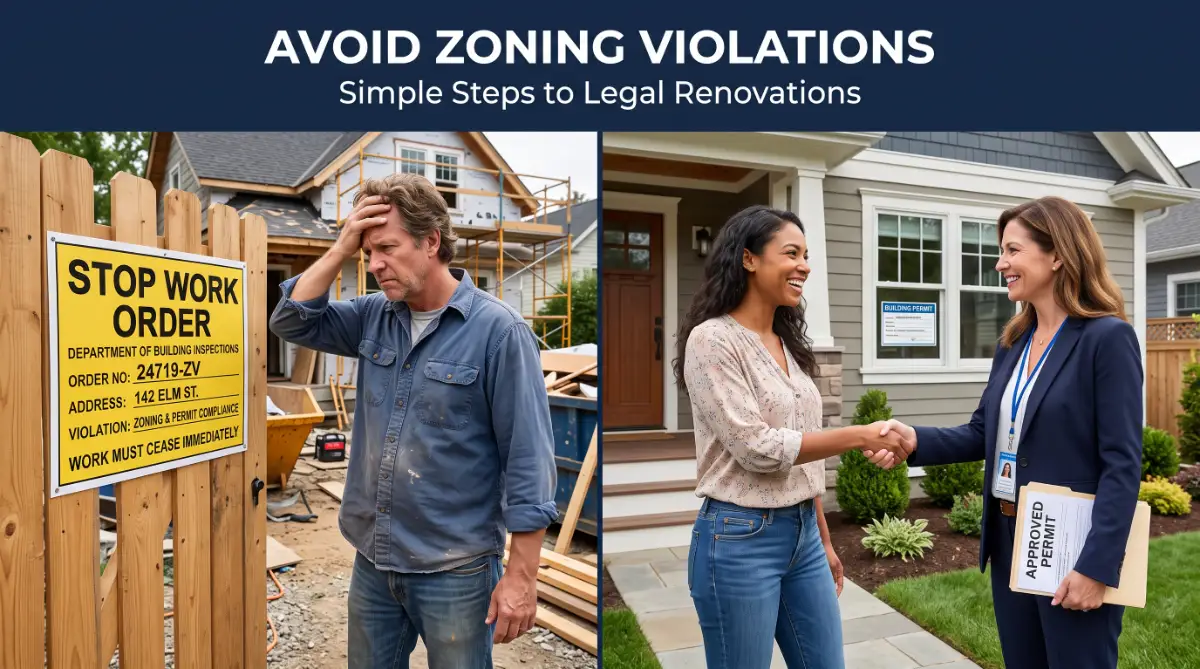
The Trap of "I'll Just Do It Myself"
The biggest mistake I see homeowners make is thinking they can hide their work from the city. I call this the "Weekend Warrior Trap."
You might think, "Who will notice a small new fence in the backyard?" The answer is usually your neighbor.
Neighbors talk. And if they feel like your new fence is blocking their view or looks ugly, they will call the city. Once an inspector shows up without an appointment, you are in big trouble.
Unpermitted work is like a ticking time bomb. When you try to sell your home, the buyer's bank will check everything. If they find out that extra bedroom was built without a permit, they won't give the buyer a loan.
You might have to pay double or triple the permit fees just to "legalize" it later. In the worst cases, you have to tear it all down and start over.
I have seen people lose tens of thousands of dollars because they wanted to save $500 on a permit. It is a heartbreaking mistake that is totally avoidable.
Before you start any project, you must how to carefully read and understand a legal contract before signing with your contractor. Some contractors will tell you that "you don't need a permit for this."
They might be lying just to get the job done faster. Always call the city yourself to verify. If the contractor gets caught, they might just disappear, leaving you to deal with the fines and the legal mess.
Another huge blunder is ignoring easements. I once knew a guy who built a beautiful stone patio over a hidden sewer line easement.
A year later, the city had a pipe leak. They brought in a backhoe and dug up his entire patio in two hours. Because it was an easement, they didn't have to pay him a single penny for the damage.
Always check your property survey. It shows exactly where these hidden "no-build zones" are located. It is much better to know now than to see your hard work destroyed by a bulldozer later.
Some people also forget about Homeowners Association (HOA) rules. They think that if the city says "yes," then everything is fine.
But your HOA can have even stricter rules. They might ban certain types of grass, specific mailbox styles, or even the color of your front door.
If you ignore the HOA, they can fine you every single day. They can even take you to court. It is a high-stress situation that ruins the joy of owning a home.
Make sure you are not making stop losing money 7 huge mistakes first-time home sellers make by ignoring the fine print of your neighborhood agreements. It is your job to know every rule that applies to your dirt and your walls.
Lastly, never assume that "common sense" is the same as the law. Zoning laws don't always make sense to a regular person. They are based on old maps and city planning goals that might be 50 years old.
Thinking "it's my land, I can do what I want" is an emotional trap. The law sees your property as a piece of a larger puzzle. If you fight the puzzle, you will likely lose.
If you feel overwhelmed by these rules, you can find general housing help and resources at USA.gov. They have links to local offices that can guide you through tough property disputes.
Your Roadmap to Property Peace of Mind
Navigating zoning laws might feel like a chore, but it is actually a way to build a more secure future. When you follow the rules, you are protecting your biggest investment.
You can sleep better at night knowing that your new addition is legal, safe, and adds real value to your home. You don't have to look over your shoulder every time a city car drives by.
This knowledge gives you a type of freedom that "rule-breakers" never have. You can talk to your neighbors with confidence. You can sell your home one day without any fear of hidden legal traps.
Every time you take the time to avoid these 5 costly home inspection mistakes step-by-step, you are proving that you are a responsible and smart homeowner.
The journey of improving your home should be fun and exciting. Don't let a missing piece of paper turn your dream into a nightmare.
I truly believe that if you treat your local city planners as partners instead of enemies, you will find that they can be your biggest helpers. My own experience has taught me that a little bit of respect for the rules goes a long way.
I want you to feel empowered to pick up that phone and call city hall tomorrow. Ask about your zone. Look at your map.
I have seen so many people transform their homes into beautiful, legal masterpieces just by following these simple steps. You have the power to do the same, and I promise you won't regret doing things the right way.
Start today by checking your local city website for a zoning map. It is the first small step toward a lifetime of stress-free property ownership.
Common Questions About Property Zoning
Can I change my property's zoning?
Yes, you can apply for a "re-zoning" request, but it is a long and expensive process. You will need to prove to the city that changing the zone benefits the whole neighborhood, not just you. Most people have better luck asking for a "variance" instead of a full zone change.
What happens if I built something without a permit years ago?
The city can still fine you if they find out. When you sell your home, the lack of a permit will likely come up during the inspection or title search. It is often best to talk to a professional about "after-the-fact" permitting to fix the issue before you list the house for sale.
Do zoning laws affect my property taxes?
Yes, zoning can impact your home's value, which in turn affects your taxes. If your area is re-zoned for commercial use, your land might become more valuable, and your tax bill might go up. You can check how to increase your home value without major renovations 7 easy maintenance tips while keeping an eye on your tax assessments.
How do I find out if there is an easement on my land?
You should look at your property survey or the "title report" you received when you bought the house. These documents show the exact location of any utility lines or public access paths that are on your land. If you can't find them, your local county recorder's office can help you get a copy.
Can my neighbor complain about my home business?
Yes, if your business causes too much noise, traffic, or trash, neighbors can report you for a zoning violation. Most residential zones allow quiet home offices, but they ban businesses that have lots of customers or delivery trucks. It is always smart to how to protect your money from fake loan and insurance offers while keeping your business operations low-key and legal.
Disclaimer: This article is for informational purposes only and does not constitute legal or professional real estate advice. Zoning laws vary greatly by city and county. Always consult with a local city planner, a qualified real estate attorney, or a licensed contractor before starting any construction or home-based business. We are not responsible for any legal issues, fines, or damages resulting from the use of this information.
![Why Owning a Home Feels Impossible Right Now [A Realistic Guide]](https://nexvoramag.com/storage/uploads/blogs/1786773471_why-owning-a-home-feels-impossible-right-now-a-realistic-guide.webp)

![Avoid These 5 Costly Home Inspection Mistakes [Step-by-Step]](https://nexvoramag.com/storage/uploads/blogs/1785927325_avoid-these-5-costly-home-inspection-mistakes-step-by-step.webp)