
The Weight of a Dream That Keeps Moving
I remember sitting at my kitchen table a few months ago, staring at a screen full of house listings. My coffee had gone cold, but my heart was racing for all the wrong reasons.
Every time I found a place that looked like a "home," the price tag felt like a punch to the gut. It wasn't just about the money; it was the feeling that I was chasing something that didn't want to be caught.
My parents always told me that if I worked hard and saved my pennies, a white picket fence would eventually be mine. But as I scrolled through those blurry photos of fixer-uppers priced like mansions, I realized the rules had changed.
I felt like a runner in a race where the finish line keeps getting pushed back ten miles every time I get close. It is a lonely, tiring feeling that many of us are sharing right now.
This struggle isn't just a "you" problem or a "me" problem. It is a weight that sits on the shoulders of millions of families every single day. People are skipping vacations, working second jobs, and staying in tiny apartments longer than they ever planned.
The stress of not knowing if you will ever have a place to call your own is real, and it eats away at your peace of mind.
I have spoken to friends who feel like they are failing because they can't afford a home in the same neighborhood where they grew up. That sense of displacement is heartbreaking.
You do everything right—you get the degree, you find the job, you pay your taxes—and yet, the front door to a house feels locked tight. It makes you wonder if the "dream" was ever meant for us at all.
This constant uphill battle leads to a lot of sleepless nights. You start questioning every purchase, from a bag of groceries to a new pair of shoes. The mental load of trying to outpace a market that moves faster than your paycheck is exhausting.
It feels like we are all stuck in a waiting room, watching the world get more expensive while we stand still.
Sometimes, I look at the houses in my town and wonder who is actually buying them. Is it people like us, or is it just big companies with deep pockets?
That thought makes the fire of frustration burn even hotter. We aren't just fighting prices; we are fighting a system that seems to have forgotten about the average person.
I want you to know that if you feel discouraged, you are not alone in this. I am right there with you, refreshing the apps and checking the bank balance with a sigh.
It is okay to be upset about it. Recognizing how hard this has become is the first step in figuring out how we are going to navigate it together.
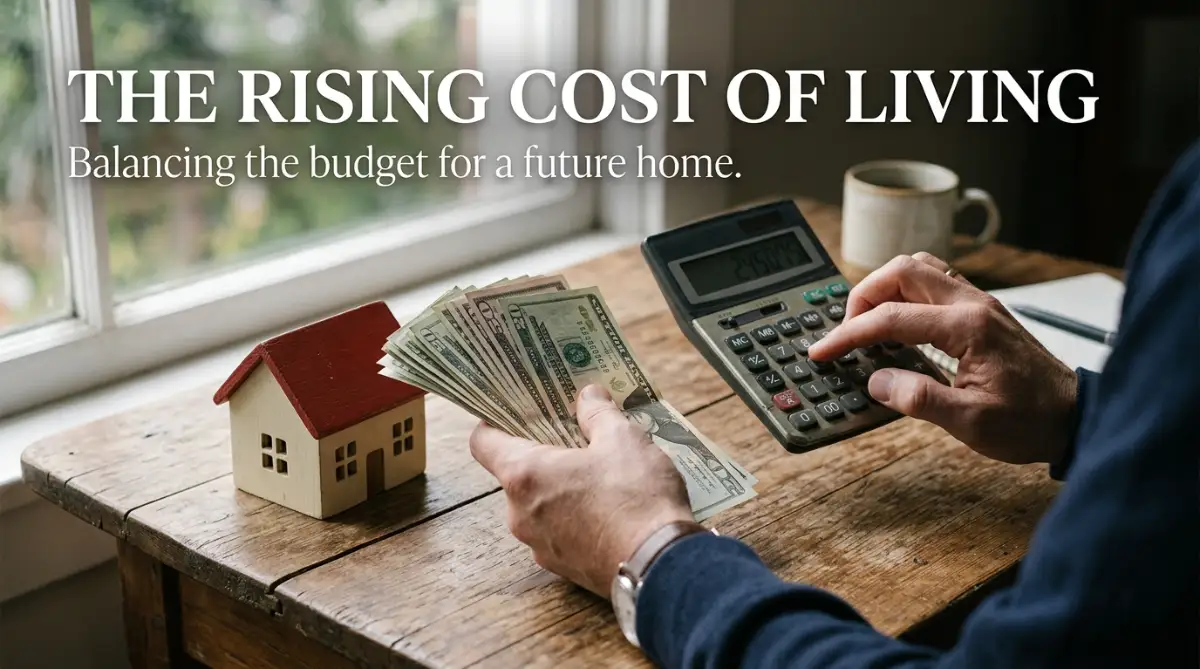
Why the Stairs to Homeownership Got Steeper
One of the biggest reasons things feel so different now is simply how many houses are actually available. Think of it like a game of musical chairs, but instead of one chair being removed, half of them are gone.
When there are fewer homes for sale, everyone starts fighting over the few that are left. This drives prices up to levels that don't seem to make any sense.
I noticed that many people who already own homes are staying put. They have low interest rates and don't want to trade them for a much higher payment on a new place.
This keeps the "starter homes" occupied, leaving new buyers with very few options. It is a cycle that creates a massive bottleneck for anyone trying to get their foot in the door.
Then, we have the issue of construction. For a long time, we simply didn't build enough new houses to keep up with the people who needed them. Building a house is expensive, and many builders focused on luxury homes because that is where the profit is. This left a huge gap for modest, affordable homes that families actually need.
The Pro Tip: Don't let a "perfect" house blind you to a "good" one. I spent months looking for a move-in-ready place before I realized that a house with ugly carpet and old paint was actually my best ticket to ownership. By looking past the surface, I found less competition and a way to build my own value over time.
Another factor is the way money works these days. Inflation has made everything from milk to lumber more expensive.
While our paychecks might go up a little, they often don't keep pace with the cost of living. This means even if you save more than your parents did, that money doesn't buy nearly as much as it used to.
Borrowing money is also much more expensive than it was just a few years ago. Higher interest rates mean that your monthly payment could be hundreds of dollars more for the exact same house.
This takes a huge bite out of your budget and limits how much you can actually afford to bid. It feels like a double whammy: high prices and high costs to borrow.
We also have to talk about the "big money" players. In many areas, large investment firms are buying up houses with all-cash offers. It is hard for a regular family to compete with a company that has millions of dollars ready to go.
These homes often turn into rentals, which further reduces the number of houses available for people to actually buy and own.
Understanding the Market Shifts
If you want to see exactly how these market forces are changing the way people buy homes, you should watch this detailed breakdown. It explains the "why" behind the numbers in a way that makes total sense.
Watch this to understand why the housing market is behaving so strangely right now:
After watching that, it becomes clear that we are dealing with a perfect storm of events. It isn't just one thing; it is a combination of supply, demand, and global economic shifts.
Understanding this helps take the blame off yourself. It isn't that you aren't working hard enough; it is that the environment has become much more challenging.
How to Build a Better Foundation for Your Move
Even though the mountain looks high, there are ways to start climbing. The first thing you need to do is get a very clear picture of your credit health.
Your credit score is like a key; the better it is, the more doors it opens. I used to ignore my score because I was afraid of what I would see, but facing it was the best thing I ever did.
Start by checking for any mistakes on your credit report. You would be surprised how often small errors can drag your score down. Fixing these can give you a quick boost.
Then, focus on paying down any high-interest debt, like credit cards. This shows lenders that you are responsible and lowers your debt-to-income ratio.
Next, you need to rethink the "20% down payment" rule. While it is great if you have it, many people buy homes with much less. There are programs out there that allow for 3% or 3.5% down.
Yes, you might have to pay for mortgage insurance, but it gets you into a home years sooner than waiting to save a massive pile of cash.
I also suggest looking into local grants and programs for first-time buyers. Many states and cities have "hidden" pots of money to help people with closing costs or down payments.
I didn't know about these until I sat down with a local lender who actually cared about helping me. Don't be afraid to ask lots of questions.
Another strategy is to expand your search area. Sometimes moving just thirty minutes further away can save you tens of thousands of dollars.
Look for "up and coming" neighborhoods where things are still affordable but starting to improve. You might not get the fancy coffee shop on the corner today, but you will have a house that grows in value.
Comparing Your Options
Don't forget the power of a "side hustle" or a strict budget, but don't let it burn you out. Even saving an extra hundred dollars a month adds up over time. It is about consistency, not perfection. Every bit of progress you make is a victory against a tough market.
You should also find a real estate agent who is a true advocate. You don't just want someone who shows you houses; you want a shark who knows how to negotiate and find "off-market" deals.
A good agent can be the difference between a "no" and a "welcome home." Talk to a few different people before you decide who to work with.
One of the mistakes I made was trying to do everything alone. Talk to people who have recently bought a home. Ask them about their struggles and what they learned.
Often, the best advice comes from someone who has just walked the path you are on. We are stronger when we share our knowledge and support each other.
Lastly, be patient with yourself. This process is a marathon, not a sprint. There will be days when you want to give up, and that is okay.
Take a break from the apps, go for a walk, and remember that your value isn't defined by your zip code. You are working toward a goal, and every step forward counts.
The road to homeownership is definitely harder than it used to be, but it isn't closed. By understanding the forces at play and being smart with your strategy, you can still find your way. Keep your head up, stay informed, and don't let the dream slip away just because the path got a little rocky.
We have covered a lot about why things are hard and how to start your journey. In the next part of this guide, we will dive deeper into the specific financial tools and negotiation tactics that can give you an edge over the competition. Stay tuned, because your journey is just beginning.
Smart Tactics to Navigate a Tough Housing Market
Moving beyond the basics of saving money and checking listings is where the real work begins. If you want to actually win in this market, you have to think like an insider.
One of the best moves you can make is to stop looking at houses the way everyone else does. Most people want a "perfect" home that is ready for a magazine shoot, but those homes have the most competition.
I have found that the real deals are hidden behind minor flaws. Look for houses that have been on the market for more than a few weeks. Often, these homes have "bad" photos or an old-fashioned kitchen that scares people away.
If you can handle a little bit of dust and some painting, you can get a house for a much better price. This is what people call "sweat equity," and it is one of the fastest ways to build wealth.
Another advanced move is to look at how your credit is working for you. A high score doesn't just get you a loan; it determines how much interest you pay over thirty years.
Even a small jump in your score can save you enough money to buy a car or fund a college education. You can learn exactly how to increase your credit score rapidly without stress to put yourself in the best position before you even talk to a bank.
You should also consider "house hacking" if you are a first-time buyer. This means buying a property with an extra room or a finished basement that you can rent out.
The extra income can cover a big part of your mortgage, making a house that seemed "too expensive" suddenly very affordable. It takes away some of your privacy, but it builds a massive financial cushion for your future.
I also suggest talking to local lenders rather than just big national banks. Local credit unions often have special programs for people in their own community that you won't find on a big website.
They might offer lower down payments or help with closing costs because they want to see their neighbors succeed. It is all about building relationships with people who know the local area as well as you do.
Before you put an offer on any house, you must evaluate the long-term growth potential of a residential neighborhood. Look for signs of new businesses, better roads, or planned parks. Buying a house in a neighborhood that is about to improve is like getting an investment on sale. You want to buy where the market is going, not just where it has already been.
Lastly, you have to be ready to walk away. The biggest secret to successful negotiation is not being desperate. If a seller is asking for too much or refuses to fix a major problem, you have to be okay with saying "no."
There will always be another house, but a bad deal can haunt you for a long time. Keep your emotions in check and stay focused on the numbers.

Dangerous Traps That Can Ruin Your Home Hunt
It is very easy to let your heart take over when you are looking at beautiful kitchens and big backyards. I have seen so many people fall into the trap of "buying as much as the bank allows."
Just because a lender says you can afford a certain monthly payment doesn't mean you actually should. They don't know about your love for travel or your need for a high-quality emergency fund.
If you stretch your budget too thin, you become "house poor." This means you have a beautiful home but no money to go out for dinner or fix a leaky faucet.
It is a very stressful way to live, and it can ruin the joy of owning a home. You should always look at your own realistic monthly budget before deciding on a price range.
Another massive mistake is skipping the home inspection to make your offer look more attractive. In a competitive market, it is tempting to tell the seller you don't care about an inspection.
This is a huge gamble that rarely pays off. You could end up with a cracked foundation or a roof that needs to be replaced immediately. Always avoid these costly home inspection mistakes to protect your bank account from hidden disasters.
I also see people forget about the extra costs of owning a property. It isn't just the mortgage payment every month. You have to pay for taxes, insurance, and constant maintenance.
If you aren't prepared, these hidden costs of homeownership can feel like a slow leak in your finances. You need to have extra cash set aside for the day the water heater decides to quit.
Speaking of extra cash, many buyers drain their entire savings to make a down payment. This is a recipe for a nightmare. Life doesn't stop happening just because you bought a house.
Your car might break down, or you might have a medical bill. If you don't have a financial safety net, any small problem can become a major crisis. This is why having an emergency fund changes everything when you are a homeowner.
Finally, don't ignore the rules of the land. I knew a family who bought a house intending to build a large fence and a shed, only to find out it was against the local laws.
You must check the zoning rules every homeowner should know before you sign anything. Finding out you can't use your property the way you want after you already bought it is a heartbreaking and expensive lesson.
Your Path Toward a New Front Door
Even with all the challenges we talked about, the dream of having your own space is still worth chasing. It is about more than just four walls and a roof; it is about stability and building something for your future.
The market might be tough, but you are tougher. By staying informed and making smart choices, you are already ahead of most other buyers.
Don't let the news or the high prices scare you into giving up. Take small steps every day to improve your finances and learn about the process.
Whether it is slashing your household spending or researching new neighborhoods, every bit of effort counts. You are building the foundation for the rest of your life, and that takes time.
I want to remind you that your perfect home might not look like what you see on TV. It might be a smaller house in a quiet town or a fixer-upper that needs some love.
That is perfectly okay. What matters is that it belongs to you and it fits your life. Focus on what you can control and let go of the rest.
I have seen people get their keys after years of trying, and the look of pride on their faces is something I will never forget. I truly believe that if you stay patient and keep your eyes on the goal, you will find your way through this.
Do not let the current situation steal your hope for the future. I am cheering for you, and I know that with the right plan, you will be walking through your own front door soon.
Common Questions About Modern Home Buying
How much money do I really need for a down payment?
While many people think they need 20%, you can often buy a home with as little as 3% or 3.5% down through special programs. However, keep in mind that a smaller down payment usually means you will have to pay for private mortgage insurance (PMI) every month. You should check with a local lender to see which option fits your monthly budget the best.
Should I wait for interest rates to go down before I buy?
Waiting for rates to drop can be a gamble because house prices might continue to rise in the meantime. If you find a house you love and can afford the payment now, it might be better to buy and then refinance later if rates fall. Trying to "time the market" is very difficult even for experts, so it is usually better to buy when you are personally and financially ready.
How can I make my offer stand out without overpaying?
You can make your offer more attractive by having a very strong pre-approval letter and offering a flexible closing date that works for the seller. Sometimes, writing a friendly letter to the seller explaining why you love the home can also make a difference. You can also offer a higher "earnest money" deposit to show that you are serious about the deal.
What is the most important thing to look for in a neighborhood?
Beyond just the house itself, look for long-term stability and signs of growth. Check the local schools, even if you don't have kids, because good schools keep property values high. Also, look at the crime rates and the proximity to grocery stores and parks. Using resources from the U.S. Department of Housing and Urban Development can give you more data on neighborhood safety and development.
Can I still buy a house if I have student loan debt?
Yes, you can absolutely buy a house while having student loans. Lenders will look at your "debt-to-income ratio," which compares your monthly debt payments to your gross monthly income. As long as your total debt is within their limits, you can still qualify for a mortgage. It is helpful to have a clear record of your payments to show you are a responsible borrower.
How do I know if a house is a "money pit"?
A house might be a money pit if it has major structural issues, an old electrical system, or signs of water damage in the basement. This is why a professional home inspection is so important. You can also look at the Consumer Financial Protection Bureau for guides on what to look for when evaluating the true cost of a home.
Disclaimer: This article is for informational purposes only and does not constitute financial, legal, or real estate advice. Always consult with a licensed professional before making any major financial decisions or signing legal contracts. Market conditions vary by location and can change rapidly.


![Avoid These 5 Costly Home Inspection Mistakes [Step-by-Step]](https://nexvoramag.com/storage/uploads/blogs/1785927325_avoid-these-5-costly-home-inspection-mistakes-step-by-step.webp)