
Selling your first home feels like a total rollercoaster. I still remember the pit in my stomach when I hammered that 'For Sale' sign into my lawn for the first time. I was terrified of making one small move that would tank my life savings. If you feel like your emotions are clashing with the cold facts of the housing market, you aren't alone—I’ve been exactly where you are.
Selling your first home feels like a mountain of stress. You have spent years building memories in those rooms. Now, you have to put a price tag on those memories and show them to strangers.
Most people feel a mix of fear and excitement. You want the highest price possible, but you also want a quick sale. This balance is hard to find. The reality is that the real estate market is cold.
It does not care about your emotional attachment to the kitchen tiles. If you make one wrong move, you could lose thousands of dollars.
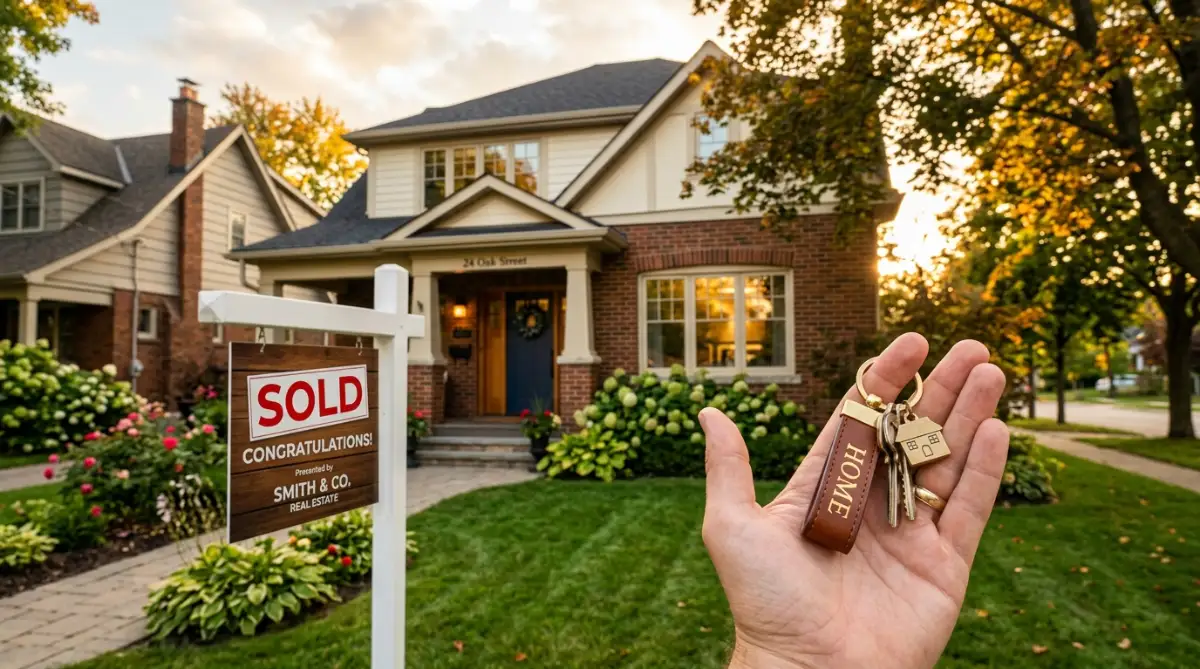
⚡ Quick Guide: How to Sell Fast
- Price it Right: Use actual "Sold" data, not your gut feeling or what your neighbor says.
- The 30-Second Rule: Buyers decide if they like your house before they even walk through the front door.
- Kill the Clutter: Remove 50% of your stuff to make your rooms look massive and expensive.
- Pro Photos Only: If your listing photos look like they were taken with an old phone, buyers will skip you.
- Detach Early: Stop thinking of it as "your home" and start seeing it as a "product" for sale.
Why Most Sellers Struggle to Find the Right Path
Many first-time sellers fail because they follow bad advice. The internet is full of "quick tips" that simply do not work in the real world.
- Relying on old information: People often listen to neighbors who sold their homes years ago. The market changes every single month.
- Trusting the wrong sources: Some sellers try to save money by not hiring experts. This usually leads to legal errors or low-ball offers.
- Thinking every upgrade adds value: Just because you spent $5,000 on a fancy fountain doesn't mean the buyer will pay $5,000 more for the house.
- Ignoring the small details: A leaky faucet or a cracked window might seem small to you. To a buyer, these are red flags that scream "poor maintenance."
The Emotional and Mental Toll of an Unsold House
When a house sits on the market for too long, it affects your peace of mind. You start to doubt the value of your property and your own decisions.
- The "Stale" House Syndrome: You worry that buyers think something is wrong with the house because it hasn't sold yet.
- Financial Pressure: You might be paying two mortgages if you already bought a new place. This creates massive financial anxiety.
- Constant Cleaning: Living in a house that is "ready for a showing" at any moment is exhausting. You can never truly relax.
- Loss of Confidence: Seeing "For Sale" signs in your neighborhood turn into "Sold" signs while yours stays up is discouraging.
The Real Cost of Making Simple Errors
The stakes are much higher than most people realize. Selling a home is likely the biggest financial transaction of your life. If you price your home just 5% too low, you are leaving a huge amount of money on the table.
On the other hand, if you price it too high, you scare away the best buyers. The first two weeks a home is listed are the most important. That is when "buyer heat" is at its peak.
If you waste that time with bad photos or a high price, you lose that momentum. You end up chasing the market down, often selling for less than you would have if you started at a fair price.
This guide is here to stop that from happening. I want to show you the logic behind a successful sale.
By understanding these common traps, you can protect your equity and move on to your next chapter with confidence.
Master the Pricing Game: Don't Let Ego Win
The biggest mistake first-time sellers make is overpricing their property. It is natural to think your home is worth more than the one down the street. Maybe you have better paint or a nicer garden.
However, the market determines the price, not the seller. If similar homes are selling for $300,000, yours will not sell for $350,000 without a massive reason.
When you overprice, your home sits. When it sits, it becomes "stale." Buyers will eventually ask, "What is wrong with that house?"
Use Data, Not Emotions
You must look at Comparable Sales (often called "Comps"). Look at what has actually sold in your area in the last three to six months.
Do not look at the "asking price" of homes currently for sale. Those houses haven't sold yet, so their prices are not proof of value.
Pro Tip: If you get zero showings in the first week, your price is likely too high. If you get showings but no offers, your price is slightly high or the house has a visible flaw.
The Strategy of "The Sweet Spot"
Pricing your home slightly below the market value can actually lead to a higher sale price. This sounds strange, but it works.
A lower price creates a bidding war. When multiple people want the same thing, the price goes up.
If you price it at the very top of the range, you might only get one buyer. That buyer will have all the power to negotiate you down.
First Impressions: The "Curb Appeal" Secret
You only get one chance to make a first impression. Most buyers decide if they like a house within the first 30 seconds of pulling up to the curb.
If the grass is long or the front door is peeling, the buyer is already thinking about "repairs." They start subtracting money from their offer before they even walk inside.
Simple Fixes with High Returns
You don't need a full renovation to win over buyers. Focus on the small things that catch the eye.
- The Front Door: Paint your front door a bold, clean color. Replace old house numbers with modern ones.
- Landscaping: Trim the bushes, edge the lawn, and add fresh mulch to the flower beds. It looks clean and well-kept.
- Lighting: Ensure the outdoor lights are bright and the fixtures are clean. This is important for evening drive-bys.
Expert Insight: A clean entryway signals to the buyer that the rest of the house has been cared for. It builds immediate trust.
High-Impact Fix | Estimated Cost | Potential Value Boost | Why It Works
Fresh Neutral Paint | $200 - $500 | $2,000+ | Makes the home look clean and "new."
Modern Front Door Handle | $50 - $150 | Immediate | First thing a buyer touches; builds trust.
Deep Professional Clean | $300 | $1,500+ | Removes "lived-in" smells and grime.
LED Light Bulb Swap | $40 | Brightness | Bright homes feel bigger and more inviting.
The Psychology of "Newness"
Buyers love things that feel new. Even if your home is twenty years old, you can make it feel fresh.
Power wash the driveway and the siding. Wash every window until it sparkles. These steps cost very little but add thousands in perceived value.
When a buyer sees a sparkling clean home, they feel safe. They feel like they won't have to spend a fortune on maintenance after they move in.
Not sure where to start with your home's exterior? Watch this short video to see how simple, low-cost changes can make your house look like the best one on the block!
Decluttering: Selling a Lifestyle, Not Your Stuff
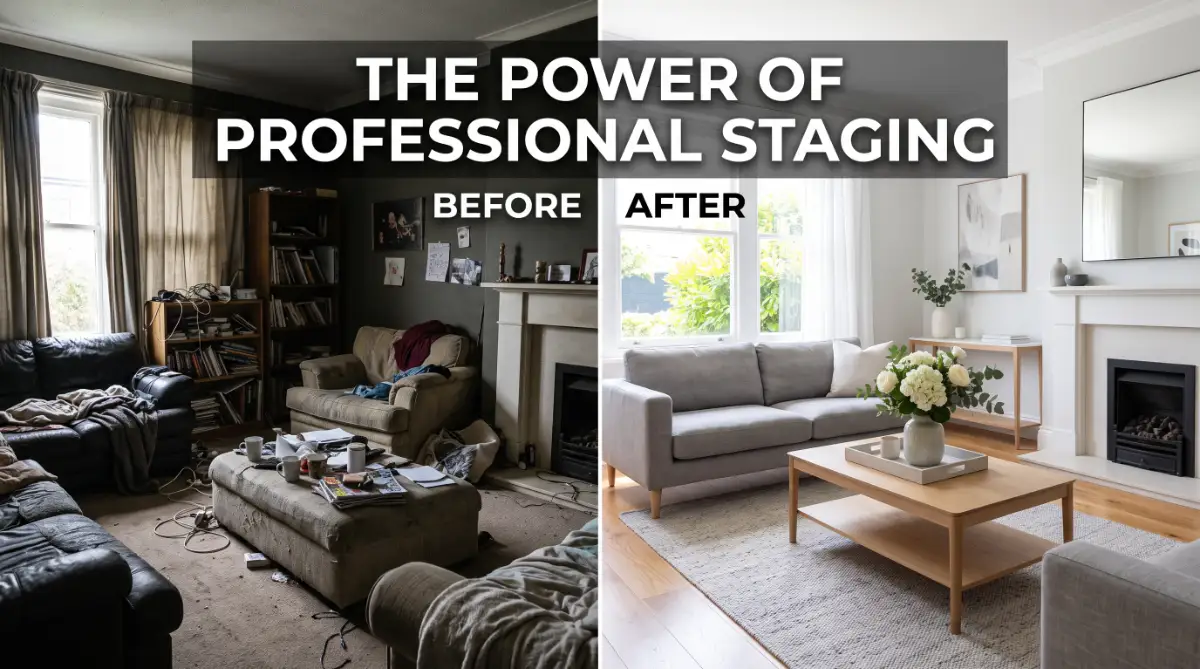
When you sell your home, you are selling a blank canvas. You want the buyer to imagine their furniture and their family in the space.
They cannot do that if your walls are covered in family photos or your closets are bursting with old clothes.
The "50% Rule" of Decluttering
A great rule of thumb is to remove 50% of your items from the house before you list it. This includes extra chairs, knick-knacks, and large rugs.
Clear spaces make rooms look bigger. In the world of real estate, "Space" equals "Money."
Action Step: Rent a small storage unit for a month. Move everything you don't need for daily life into that unit. Your home will feel twice as big.
Depersonalize to Open Minds
You love your collection of vintage dolls or sports trophies. A buyer might find them distracting.
Remove all personal photos and religious or political items. You want the home to feel like a high-end hotel room.
Neutralize the space. If you have a bright purple bedroom, paint it a light gray or beige. Neutral colors allow buyers to project their own style onto the room.
Avoid the "Small Repair" Trap
Looking back at my own sale, my biggest mistake was thinking buyers wouldn't notice the chipped paint in the hallway. I quickly realized that every tiny flaw I ignored made the buyer doubt the health of the entire house.
Now, I tell everyone to fix those small things first because keeping a buyer's trust is the best way to get a higher offer.
First-time sellers often think they should leave small repairs for the buyer to handle. They think, "The buyer will want to pick their own carpet anyway."
This is a mistake. Most buyers today want a "turn-key" home. They are already stretched thin by the down payment.
The Cost of Neglect
If a buyer see a dripping faucet, they wonder if the pipes inside the walls are rotting. Small problems suggest larger, hidden issues.
Walk through your home with a "buyer's eye." Fix the loose doorknob. Tighten the cabinet hinges. Replace the burnt-out light bulbs.
These small fixes might cost you $200 in total. However, they can prevent a buyer from asking for a $2,000 credit during the inspection.
Myth vs Reality: Repairs

Don't Hide Known Issues
It is tempting to hide a water stain in the basement or a crack in the wall. This is a dangerous game.
In most places, you have a legal duty to disclose known defects. If you hide something and the buyer finds it later, they can sue you.
Honesty is the Best Policy
Being upfront about old repairs or minor issues builds trust with the buyer. It shows you are an honest seller.
If you know the HVAC system is ten years old, say so. But also mention that you have had it serviced every single year.
Pro Tip: Get a pre-listing inspection. This allows you to find problems before the buyer does. You can then fix them on your own terms rather than under the pressure of a closing deadline.
Why Transparency Speeds Up the Sale
When you provide a full disclosure package upfront, serious buyers feel more comfortable making a high offer. They know exactly what they are buying.
It prevents the "inspection scare" where a buyer gets a 50-page report of problems and decides to walk away from the deal.
The Danger of Being "Too Close" to the Sale
One of the hardest things for first-time sellers is staying out of the way. You should never be present during a showing.
If you are there, the buyer feels like an intruder. They won't look in the closets or talk freely about what they like or dislike.
Let the Professionals Work
Your agent is trained to handle the buyers. Let them do their job. If a buyer asks you a question directly, you might say something that hurts your negotiating position.
For example, if you tell them, "We really need to sell because I start my new job in two weeks," the buyer now knows you are desperate. They will offer you less money.
Expert Advice: Leave the house 15 minutes before the showing starts. Take the dog with you. Make it easy for the buyer to "fall in love" with the space in peace.
Professional Photography is Non-Negotiable
My Quick "Phone Check" Expert Tips:
- The Smell Test: You might be "nose-blind" to your pets or cooking. Ask a friend to be brutally honest about how your home smells the second they walk in.
- The 3-Day Rule: If you get five showings in three days and zero offers, your price is the problem. Don't wait three weeks to fix it.
- Hide the Cords: Messy TV wires and lamp cords look terrible in photos. Use zip ties or hide them behind furniture. It makes a huge difference.
In the digital age, your "first showing" happens on a smartphone screen. If your photos are dark, blurry, or show a messy room, the buyer will just keep scrolling.
Never use your phone to take listing photos. The wide-angle lenses used by professionals make rooms look bright and spacious.
The Value of Lighting and Angles
A professional photographer knows how to use natural light to make a kitchen look inviting. They know the angles that make a small bedroom look cozy instead of cramped.
Homes with professional photos sell 32% faster than those without. This is one of the best investments you can make.
Key Rule: If you wouldn't buy a product on Amazon with bad photos, why would someone buy a house with bad photos?
Winning at the Negotiation Table
Once your home is on the market, the real work begins. You will start receiving calls, requests for tours, and eventually, offers. This is where most first-time sellers feel a lot of pressure.
The first offer you get might not be the best one. Sometimes, a high offer comes with many strings attached. Other times, a lower offer is better because it is an all-cash deal.
You need to look at the "net" amount you will keep after all fees are paid. Don't just look at the big number on the top of the page. Think about the closing costs and repair credits the buyer might ask for.
Staying Calm When Offers Start Rolling In
It is easy to get emotional during negotiations. You might feel insulted if someone offers a price much lower than you expected.
I have seen many sellers lose a good deal because they got angry at a "low-ball" offer.
Instead of getting upset, send a counter-offer. It is just a business transaction. Keeping a cool head will help you make better financial choices.
If you struggle with the stress of big decisions, you can learn how to stay calm and think clearly under pressure. This skill is helpful when you are dealing with thousands of dollars and tight deadlines.
The Power of the "Highest and Best" Strategy
If you are lucky enough to get multiple offers at once, use it to your advantage. You can ask all buyers to submit their "highest and best" offer by a specific time. This creates a sense of urgency.
When buyers know they are competing, they often remove their contingencies. They might offer to pay for their own repairs or waive the inspection. This makes the sale much smoother for you.
Always check the buyer’s financial proof. A high offer means nothing if the buyer cannot get a loan. Ask for a pre-approval letter or proof of funds before you say yes.
Navigating the Legal and Financial Maze
Selling a home involves a lot of paperwork. Each document is a legal contract that binds you to certain rules. If you miss a tiny detail, it could cost you a lot of time and money later.
You should never sign something you do not fully understand. Many sellers just sign where their agent tells them to. This is a risky habit that can lead to big headaches.
Take the time to carefully read and understand a legal contract before you put your name on it. Knowing your rights and duties will protect you from future lawsuits.
Understanding Your Closing Costs
Many first-time sellers forget that they have to pay to sell their house. You will have to pay the agents' commissions and title insurance. There are also transfer taxes and escrow fees to think about.
According to data from Investopedia, sellers typically pay between 8% to 10% of the sale price in total costs. You need to calculate this early so you know how much money you will actually walk away with.
If you have a mortgage, that will be paid off first from the sale money. Whatever is left is your profit. Having a clear budget for these costs helps you plan your next move.
Planning for Life After the Sale
Before you sell, think about where you will go next. If you are buying a new home, your credit score will be very important. A higher score means you get a lower interest rate on your next house.
If you need to fix your finances before moving, you can look at how to increase your credit score rapidly. This will save you a lot of money on your next mortgage.
Selling a home is a great time to reset your financial life. You can use the profit to pay off old debts or build a safety net. Following a 30-day budget blueprint can help you manage your new wealth wisely.
The Long-Term Value of Your Neighborhood
Buyers aren't just buying your house; they are buying the street and the community. You should emphasize why your neighborhood is a great place to live. Is there a new park being built nearby?
Mentioning future developments can make your home more attractive. People love to buy in areas where property values are expected to rise. This gives them a sense of security about their investment.
If you want to understand how buyers think, you should learn how to evaluate the long-term growth potential of a residential neighborhood. You can then use this information to talk up your home’s location.

Red Flags That Ruin a Sale
Even with a great house, simple errors can kill a deal. I have watched many sellers make the same mistakes over and over. Avoiding these traps will put you ahead of 90% of the competition.
One of the biggest issues is ignoring the buyer's home inspection. No house is perfect. The inspector will find something wrong, even in a brand-new home.
The Mistake of Getting Defensive
When the buyer asks for a repair, don't take it as a personal attack. They just want a safe place to live. If you refuse to fix a $500 problem, the buyer might walk away from a $400,000 sale.
Be reasonable. Fix the safety issues like bad wiring or roof leaks. You can say "no" to cosmetic things like old carpet, but be ready to negotiate on the price.
Expert Insight: It is often cheaper to fix the problem yourself than to give the buyer a credit. Buyers often over-estimate how much a repair will cost.
Timing the Market Wrongly
Many people try to wait for the "perfect" time to sell. They wait for prices to go up or interest rates to go down. This is often a losing game.
The best time to sell is when you are ready. If you wait too long, you might miss a window of high demand. Real estate markets can shift quickly based on the economy.
According to Forbes Advisor, timing is more about local supply than national news. If there are no other houses for sale on your street, that is your best time to list.
Choosing the Wrong Buyer
The highest offer is not always the winning offer. I once saw a seller choose an offer that was $10,000 higher than the rest. The buyer had a very low down payment and a bad credit history.
Three weeks later, the buyer’s loan was rejected. The seller had to start all over again. They lost a month of time and had to pay another month of mortgage.
Always look for a buyer with a strong financial backing. A slightly lower offer from a buyer with a large down payment is much safer. It gives you a higher chance of actually reaching the finish line.
Common Myths About Selling a Home
There are many "old wives' tales" in real estate. Following them can lead to bad results. Let's look at a few things people get wrong.
Myth: "I should set my price high so I have room to negotiate."
Reality: Setting a high price often means nobody will even come to look at the house. You won't have anyone to negotiate with.
Myth: "I don't need an agent; I can do it all myself."
Reality: While you can sell on your own, statistics show that homes sold by owners often sell for less. Agents have access to professional tools that bring in more buyers.
Myth: "Kitchen renovations always pay for themselves."
Reality: You might spend $40,000 on a kitchen and only add $20,000 to the home value. Focus on deep cleaning and small updates instead.
Your Path to a Stress-Free Sale
Selling your first home is a major life event. It marks the end of one chapter and the start of a new adventure. If you follow the steps we discussed, you will be well-prepared for the journey.
Remember that preparation is the key to everything. From pricing your home correctly to decluttering your rooms, every small action adds up. These steps create a home that buyers cannot resist.
Do not be afraid to ask for help from experts. Whether it is a real estate agent or a professional cleaner, their advice can save you from making expensive errors. You are protecting your hard-earned money.
Taking Action Today
You don't have to do everything at once. Start by making a list of the small repairs your home needs. Spend one weekend cleaning out your closets and donating things you no longer use.
Once the house feels lighter and cleaner, you will feel more confident. That confidence will show when you finally talk to buyers. You know the value of what you are offering.
Keep your eyes on the goal. Soon, the "For Sale" sign will be gone, and you will be holding the keys to your next dream. You have the knowledge now to make it happen without the usual stress.

Final Checklist for Sellers
- Audit your home: Walk through every room and note small fixes.
- Research your market: Look at local sales from the last few months.
- Clean and declutter: Make every room look as big as possible.
- Hire a photographer: Ensure your online photos look amazing.
- Be transparent: Disclose any known issues to build trust.
- Stay flexible: Be ready to show the house at different times.
You are now ready to step into the market with a massive advantage. Trust the process, stay patient, and focus on the data. Your successful sale is just around the corner!
Disclaimer: The information provided in this article is for educational purposes only and does not constitute professional legal or financial advice. Real estate laws and market conditions vary by location. Always consult with a licensed real estate professional or legal advisor before making significant financial decisions.
Frequently Asked Questions
1. How much does it really cost to sell a house?
Beyond the sale price, expect to pay around 8-10% in costs. This includes agent commissions, title fees, and minor repairs. Always keep this "net" number in mind.
2. Should I fix everything before listing?
No. Focus on safety issues and big visual eyesores. Don't spend $20,000 on a kitchen if you only get $10,000 back in value. Simple paint and deep cleaning are your best friends.
3. What is the best month to sell?
Typically, spring (March to May) is the busiest time. However, if there are no other houses for sale in your neighborhood in December, that lack of competition can actually help you sell faster.
![Property Tax Assessments Explained: 5 Real Reasons Your Bill Keeps Rising [Avoid Overpaying]](https://nexvoramag.com/storage/uploads/blogs/1787982223_property-tax-assessments-explained-5-real-reasons-your-bill-keeps-rising-avoid-overpaying.webp)
![Why Owning a Home Feels Impossible Right Now [A Realistic Guide]](https://nexvoramag.com/storage/uploads/blogs/1786773471_why-owning-a-home-feels-impossible-right-now-a-realistic-guide.webp)