The Shocking Paper That Arrives in Your Mailbox
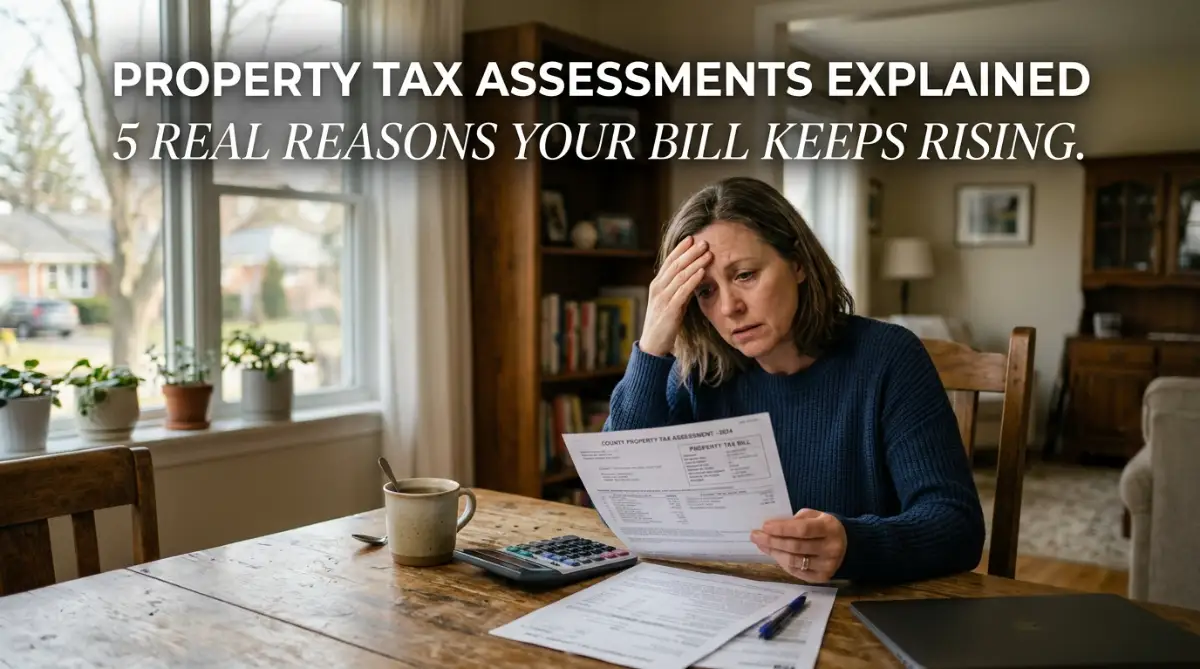
I remember standing by my front door last Tuesday when the mail carrier dropped off a thick envelope. I didn't think much of it until I saw the return address was from the local tax assessor. My stomach did a little flip because I knew what was inside.
I slowly opened it while standing in my hallway. When my eyes hit the final number, I felt like I had been punched in the gut. My property tax assessment had jumped by nearly twenty percent. I hadn't even added a new room or a fancy fence.
I felt so frustrated and honestly a bit cheated. I work hard for my money, and seeing it disappear into a bill I didn't fully understand felt unfair. I started talking to my neighbor, and he was just as upset as I was.
He told me he was worried he might not be able to afford to stay in his house much longer if this kept up. That really hit home for me. I realized I needed to stop complaining and start learning how this whole system actually works.
I spent the next few weeks reading everything I could and talking to people who understand these laws. It turns out, most of us are paying more than we should because we don't know the rules. I want to share what I found so you don't have to feel that same sinking feeling alone.
The stress of a rising tax bill is something that millions of families deal with every single year. It isn't just about the money; it is about the feeling of losing control over your own home. You start to feel like you are just renting your house from the government.
When you see that number go up, you start thinking about what you have to give up. Maybe it is the family trip you planned or the new tires your car desperately needs. It is a weight that stays with you every time you walk through your front door.
Many people feel a deep sense of helplessness when they look at their assessment. They think the government is just a big machine that doesn't care about their personal budget. This leads to a lot of anger and sadness in our communities.
It feels wrong when you see your house aging but your taxes rising as if it were a brand-new mansion. You wonder if anyone is actually looking at your property or if they are just pushing buttons in a dark office. This lack of transparency makes people lose trust in their local leaders.
I know how it feels to worry about the future of your family because of a tax bill. But once you understand the "why" behind the increase, that fear starts to turn into action. Knowing the facts is the only way to protect your wallet.
Why Your Value Changes Even When Your House Doesn't
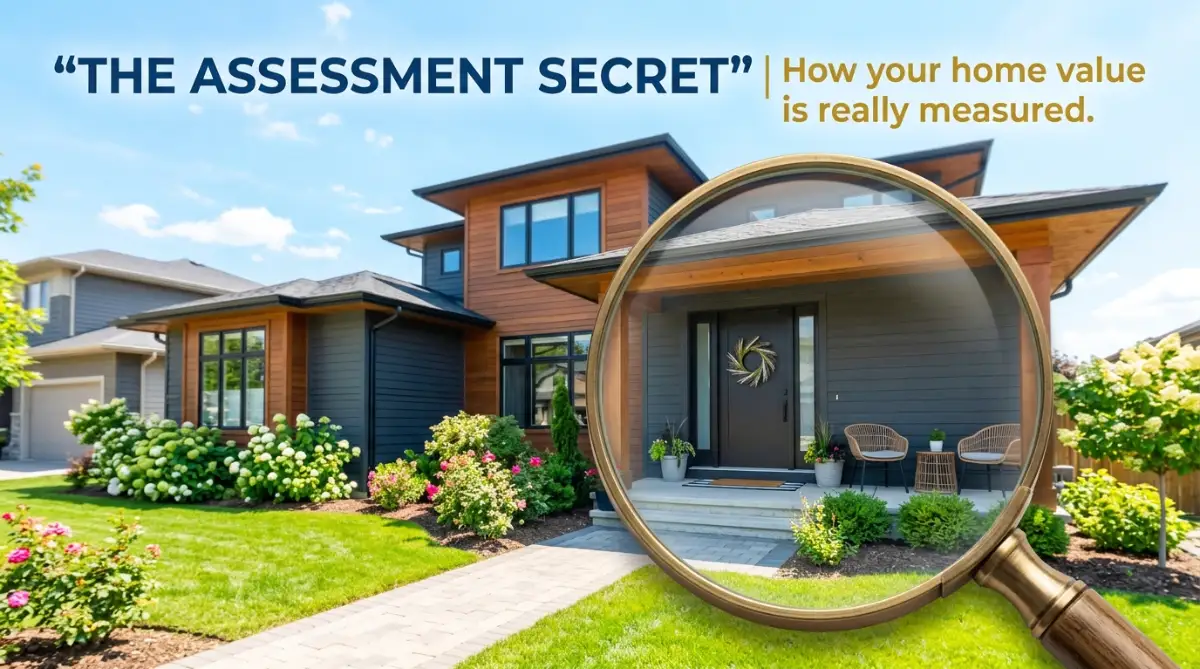
One of the biggest mysteries for homeowners is why the value goes up when nothing has changed. You might have the same old kitchen and the same leaky faucet, yet the assessor says your home is worth more. Here are the five main reasons this happens.
1. The Power of Local Real Estate Markets
Your home doesn't sit in a bubble; it sits in a neighborhood. Even if you do nothing to your house, if the house next door sells for a huge price, your value goes up too. Assessors look at "comparable sales" to decide what your home is worth.
If a trendy new coffee shop opens nearby or a big company moves to town, people want to live in your area. This demand drives up prices for everyone. The government sees this rising demand and adjusts your assessment to match the "market value."
This means you are essentially paying for the success of your neighbors. While it is good that your home is worth more on paper, it hurts your monthly budget. It is a strange situation where your "wealth" grows, but your bank account shrinks.
2. New Improvements and Hidden Permits
Sometimes the increase is because of something you actually did. If you finished your basement or added a deck, the city likely knows about it. They get this information from the building permits you had to file.
Even small things like a new storage shed or a paved driveway can add a few dollars to your bill. The assessor views these as "added value" that makes your home more desirable. They want their share of that new value.
I once talked to a woman who was shocked her taxes went up after she simply replaced her old windows. The city saw it as an upgrade that increased the home's efficiency and value. It feels like every time you try to take care of your home, you get a "tax penalty" for it.
3. The Impact of Local Government Budgets
The most important thing to remember is that your tax bill is a math equation. It isn't just about the value of your home. It is also about the "tax rate" or the "millage rate" set by your town.
Every year, your local city council and school board sit down to create a budget. They decide how much money they need for schools, police, and fixing potholes. If they decide they need more money, they raise the tax rate.
This is why your bill can go up even if your home value stays exactly the same. If the town's budget grows, the homeowners are the ones who have to pay for it. Most people ignore these budget meetings, but that is where the real damage to your wallet happens.
Pro Tip:
I used to think I couldn't do anything about my tax rate. Then I realized that my local school board meetings were open to the public. I started going and asking why they needed a new stadium while my taxes were skyrocketing. I learned that just showing up and asking questions makes them think twice about raising rates. Don't be afraid to use your voice!
4. Special Levies and School Funding
In many areas, a huge portion of your property tax goes directly to the local school district. Sometimes, voters approve "special levies" for things like new technology for students or better bus routes.
While we all want kids to have a good education, these levies add up quickly. If your town has a lot of families with children, there is more pressure to increase school funding. This is often the biggest "hidden" reason for a rising bill.
Sometimes these levies are temporary, but often they are renewed year after year. If you aren't paying attention to the local ballot, you might be voting for your own tax increase without knowing it. Always read the fine print on local election days.
5. Mistakes and Data Errors in Records
Believe it or not, the government makes a lot of mistakes. Assessors are often overworked and have to look at thousands of homes in a very short time. They might have your square footage wrong or think you have an extra bathroom.
If their data says your house is 3,000 square feet but it is actually 2,500, you are overpaying every single year. They might also think you have a finished attic when it is really just a crawl space. These small errors can cost you thousands of dollars over time.
I found out that my own house was listed as having a "lake view" when I can actually only see a small pond through the trees. That one word "lake" was making my taxes much higher than they should have been. Always check your official property record card for these silly mistakes.
Watch this video to see how easy it is for an assessor to make a mistake on your property record and how you can fix it today.
How the Assessment Cycle Works
Most towns don't check every house every single year. Instead, they operate on a cycle. Some places reassess every three years, while others wait five or even ten years. This is why you often see a massive jump all at once.
If your house hasn't been looked at in five years, the "catch-up" increase can be terrifying. It feels like a sudden attack on your finances. In reality, the government is just trying to adjust for five years of inflation and market growth in one go.
Understanding your town's cycle can help you prepare. If you know a reassessment is coming next year, you can start saving a little extra money. It takes away the element of surprise and gives you back some control.
The Role of Inflation in Your Tax Bill
Inflation doesn't just affect the price of milk and eggs; it affects the cost of running a city. The people who pave your roads and the officers who patrol your streets need raises to keep up with the cost of living.
The materials used to fix bridges and school buildings also get more expensive. Since property taxes are the main way cities get money, they have to raise your bill to cover these higher costs. It is a cycle that is very hard for anyone to escape.
Even if the city isn't adding any new services, just keeping the old ones running costs more every year. This is a big reason why taxes rarely go down. The cost of everything is moving in one direction, and your tax bill follows right behind.
Why Some People Pay Less for the Same House
It can be very upsetting to find out that your neighbor pays much less than you for a similar house. There are usually a few legal reasons for this that you should know about.
Senior and Veteran Exemptions
Many states offer a "tax break" for seniors or those who served in the military. If your neighbor is older or a veteran, they might have a frozen tax rate or a large discount. These are great programs, but they can make the system look unfair if you don't know they exist.
Homestead Protections
In some areas, if you live in the house as your main home, the government can only raise your taxes by a small percentage each year. This is called a Homestead Exemption. It protects long-term residents from sudden spikes in value.
If you just bought your house, your taxes might be based on the "new" market value, while your neighbor is still paying based on a value from ten years ago. This "tax gap" is one of the most common complaints among new homeowners.
Checking Your Property Record for Accuracy
You have the right to see exactly what the government thinks about your house. You can go to the assessor’s office or check their website to find your "Property Record Card." This is the blueprint they use to charge you money.
Check the number of rooms, the type of heating system, and even the materials used for your exterior. If they have anything listed that is "better" than what you actually have, you are paying for a house you don't own.
Correcting these errors is often the fastest way to lower your bill. You don't need a lawyer for this; you just need to show them the proof of the mistake. Most assessors are happy to fix errors if you are polite and have the facts ready.
The Importance of Comparing with Neighbors
Don't just look at your own house; look at the houses around you. If a house that is bigger and nicer than yours has a lower assessment, something is wrong. This is called "inequity" in the tax system.
Public records allow you to see the assessed value of every home in your county. Use this tool to build your case. If you can show that your house is valued higher than similar homes nearby, you have a very strong reason to ask for a reduction.
I spent a whole Saturday looking at my street's records. I found out that three houses with the same floor plan as mine were all valued lower. That was the "smoking gun" I needed to start my appeal process.
How to Prepare for a Tax Appeal
If you think your assessment is wrong, you can fight it. This is called a tax appeal. Most people are afraid of this process because they think it is complicated. In reality, it is just a conversation where you show your evidence.
You will need to gather your facts. This includes photos of problems with your house, like a cracked foundation or an old roof. You should also bring the "comparable sales" we talked about earlier.
Most appeals happen in front of a small board of local citizens. They aren't there to trick you; they are there to make sure the taxes are fair. If you show up prepared and calm, you have a much better chance of winning.
Don't Let the Tax Bill Define Your Home
It is easy to get so caught up in the numbers that you forget why you bought your house in the first place. Your home is where your children grow up and where you feel safe. It is more than just a line item on a government spreadsheet.
By understanding the assessment process, you take the power back. You move from being a "victim" of the system to being an informed homeowner. That knowledge is the best way to protect your peace of mind.
Remember, you aren't alone in this. Every homeowner on your street is dealing with the same issues. By working together and staying informed, we can make sure our local governments are being fair and responsible with our money.
The goal isn't just to pay less; it is to pay what is fair. You should never have to overpay because of a mistake or a lack of information. Keep your records tidy, stay involved in your community, and always keep an eye on that mailbox.
Smart Strategies to Shield Your Wallet from Rising Taxes
Now that you know why those numbers keep going up, it is time to talk about what you can do. You don't have to just sit there and accept a higher bill every year. There are actual, legal ways to lower your tax burden that most people never try.
One of the best things you can do is look into property tax exemptions. Every state and county has different rules, but many offer discounts for specific groups of people. For example, if you have lived in your home for a long time, you might qualify for a "homestead" cap.
This cap limits how much your taxes can rise each year, no matter how much your house value grows. I found out that many of my friends were eligible for this but never filled out the simple one-page form. It is literally free money sitting on the table.
If you are a veteran or a senior citizen, there are even more options. Some areas offer a complete freeze on your tax rate once you reach a certain age. You should visit your local assessor's website and look for a section called "Exemptions" or "Tax Relief."
Another expert secret is to understand the timing of your appeal. Most people wait until they get the final bill to start complaining. By then, it is often too late to change anything for the current year.
You need to look at your "Notice of Value" which usually comes out months before the actual bill. This notice gives you a small window—often just 30 days—to disagree with the new value. If you miss this tiny window, you are stuck with that higher number for the whole year.
I once missed my appeal deadline by just two days because I thought I had more time. It was a very expensive mistake that I still regret. Now, I mark my calendar as soon as the notice arrives so I never miss it again.
You should also consider getting a private appraisal if you think the government's number is way off. While a private appraisal costs a few hundred dollars, it could save you thousands over the next few years. A professional appraiser will look at the specific details of your home much more closely than a city worker.
They will notice if your roof is leaking or if your foundation has cracks. These are things that lower the value of your home in the eyes of the law. Bringing a certified appraisal report to your hearing makes you look very professional and serious.
It is also smart to evaluate the long-term growth potential of your neighborhood before you make big changes. If you live in an area where prices are exploding, even a small renovation could trigger a massive tax hike. Sometimes, waiting a year to do a project can help you manage your tax timing better.
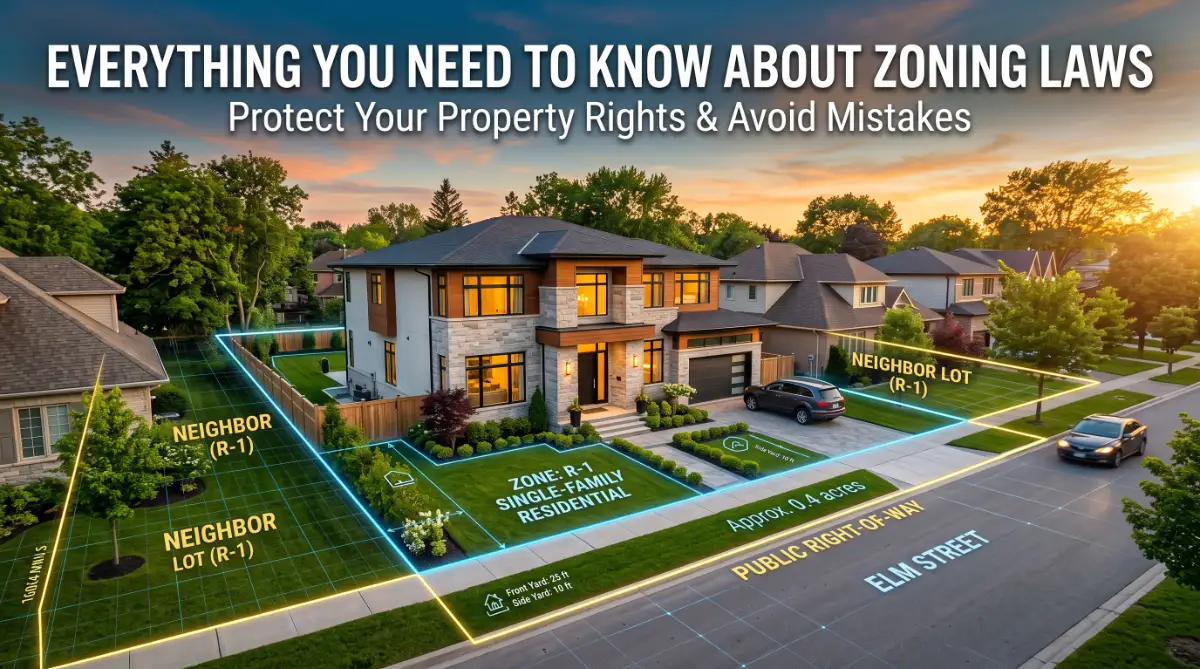
Finally, stay informed about local zoning changes. If the land next to your house gets rezoned for commercial use, it could change your property value overnight. Understanding zoning rules every homeowner must know will help you stay ahead of the game.
Dangerous Pitfalls That Could Cost You Thousands
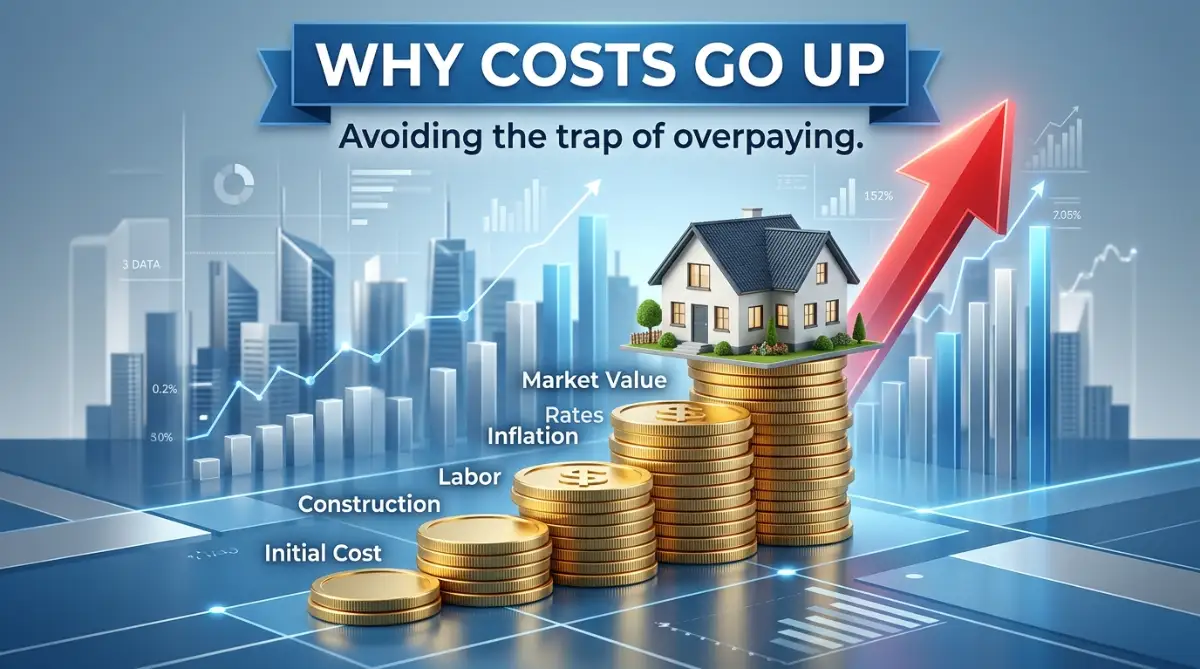
When people get upset about their taxes, they often make mistakes that actually hurt their chances of winning. One of the biggest errors is getting emotional during a tax appeal. I have seen people go into meetings and start yelling about how much they hate the government.
This never works. The people sitting on the board are just neighbors doing their jobs. If you are rude or angry, they are less likely to want to help you. You need to be calm, polite, and stick strictly to the facts and numbers.
Another common mistake is failing to provide evidence. Just saying "my taxes are too high" isn't enough to get a reduction. You need to prove that your house is worth less than they say it is. This means bringing photos, repair estimates, and sales data from other homes.
Many homeowners also forget that homeownership has many hidden costs beyond just the tax bill. If you spend all your energy fighting the tax man but ignore your maintenance, you might lose money in the long run anyway.
A very common trap is thinking that a messy house lowers your taxes. I have heard people say they won't clean their yard before the assessor comes by. This is a myth. Assessors look at the structure and the market, not the laundry on your floor or the overgrown grass.
Actually, increasing your home value with simple maintenance is a much better way to build wealth. Even if it raises your taxes slightly, the gain in your home's equity is usually much larger. Don't let your house fall apart just to save a few dollars on taxes.
Another huge mistake is missing the "Home Inspection" phase when buying. If you buy a house and find out later it has major issues, you might still be taxed on the "perfect" price you paid. You should always avoid costly home inspection mistakes to ensure you know the true condition of the property.
I once saw a family buy a house for a high price, only to find out the basement flooded every time it rained. The tax office didn't care about the water; they only cared about the price on the deed. They ended up paying high taxes on a house that needed fifty thousand dollars in repairs.
Lastly, some people try to hide renovations from the city to avoid taxes. This is a very bad idea. If you get caught doing work without a permit, you could face massive fines that are much higher than the tax increase would have been. Plus, it makes it much harder to sell your house later.
According to reports by the Tax Foundation, property tax systems vary wildly by state, so trying to "cheat" the system often backfires. It is always better to be honest and look for legal ways to reduce your bill instead.
Taking Charge of Your Home’s Financial Future
You now have a complete roadmap for understanding and managing your property taxes. It can feel like a lot of information, but the main lesson is simple: Stay active and stay informed. Your home is your sanctuary, and you have every right to make sure it is taxed fairly.
Don't let the fear of a rising bill keep you from enjoying your life. When you take the time to check your records and apply for exemptions, you are taking back control. It gives you a sense of peace to know exactly where your money is going.
I want you to feel empowered the next time that tax envelope arrives. Instead of feeling stressed, you will have your folder ready and your facts straight. You are not just a taxpayer; you are a savvy homeowner who knows the value of their investment.
There is a great sense of satisfaction in successfully appealing a tax bill. It isn't just about the money you save; it is about knowing that the system worked because you stood up for yourself. It makes you feel more connected to your community and your local government.
Start today by just looking up your property record online. It only takes five minutes, and you might find a mistake that saves you money for years to come. Little steps lead to big wins over time.
I have been through the stress and the confusion, just like you. But I also know the relief of seeing my tax bill go down because I did the work. My house feels more like "mine" now that I understand the rules that govern it.
You have the tools and the knowledge to protect your family’s finances. Go ahead and take that first step toward a more secure future today. Your wallet will thank you later!
Common Questions About Property Tax Increases
How often can the government change my property's value?
Most local governments follow a set schedule, often every two to five years. However, if you pull a building permit for a major renovation, they might update your value immediately. You can check your local county clerk's website to see when the next scheduled "revaluation" will take place.
Can I appeal my property tax if I just bought the house?
Yes, you can certainly appeal if the tax value is higher than what you actually paid for the home. Since the sale price is the best evidence of "market value," the assessor will usually listen to your case. Just make sure you submit your appeal within the required timeframe after the purchase.
Does a new roof always increase my property taxes?
In most cases, a simple repair like a new roof is considered "normal maintenance" and doesn't trigger a huge tax hike. However, if the new roof is part of a larger project that changes the look of the home, it might be noted. According to standards from the International Association of Assessing Officers, routine maintenance shouldn't lead to a penalty for the homeowner.
What happens if I lose my tax appeal?
If you lose your appeal at the local level, you usually have the right to take it to a state-level board or a small claims court. Most people find that the local board is fair if you have good evidence. If you lose, your taxes will simply stay at the new rate, and you can try again during the next assessment cycle.
Do I still have to pay my taxes while I am appealing?
Yes, you must pay the bill you received even if you are in the middle of an appeal. If you win your case later, the government will either send you a refund check or give you a credit on next year's bill. Not paying your taxes can lead to serious legal trouble and huge mistakes first-time sellers make later on.
Disclaimer: This article is for informational purposes only and does not constitute legal or financial advice. Property tax laws vary significantly by location and change frequently. Always consult with a local tax professional or legal expert before making decisions regarding your property taxes or filing an appeal. We are not responsible for any actions taken based on the information provided in this post.
![Why Owning a Home Feels Impossible Right Now [A Realistic Guide]](https://nexvoramag.com/storage/uploads/blogs/1786773471_why-owning-a-home-feels-impossible-right-now-a-realistic-guide.webp)