
The Secret Paperwork Nightmare That Ruined My Moving Day
I remember standing in my living room, surrounded by half-packed boxes and the smell of bubble wrap. My kids were excited, thinking we would be in our new house by Friday. Then, my phone rang, and my heart dropped into my stomach.
It was my loan officer telling me that some tiny government rule had paused everything. I had done everything right, or so I thought. My credit was good, and my down payment was ready in the bank.
But a small error in a government-mandated disclosure form meant we couldn't close for another three weeks. I felt like I had failed my family because of a rule I didn't even know existed. It was a total nightmare that left us living out of suitcases for a month.
This is the reality for thousands of people every single month. We think buying a house is just about finding a place and getting a loan. We forget that the government has a mountain of rules waiting for us.
These rules often make us feel small and helpless. You work hard for years to save money, but one person at a government office can stop your life. It is more than just a delay; it is the loss of sleep and the constant fear of losing your dream home.
When you are in the middle of it, the stress feels heavy in your chest. You wonder why something so simple has to be so hard. It feels like the system is designed to slow you down on purpose.
I have talked to many people who went through this same struggle. One woman told me she cried in her car for an hour after being told her "debt-to-income ratio" was off by 1% because of a new rule. This is not just about houses; it is about our lives and our peace of mind.
Why Your New House Costs So Much More Than It Should
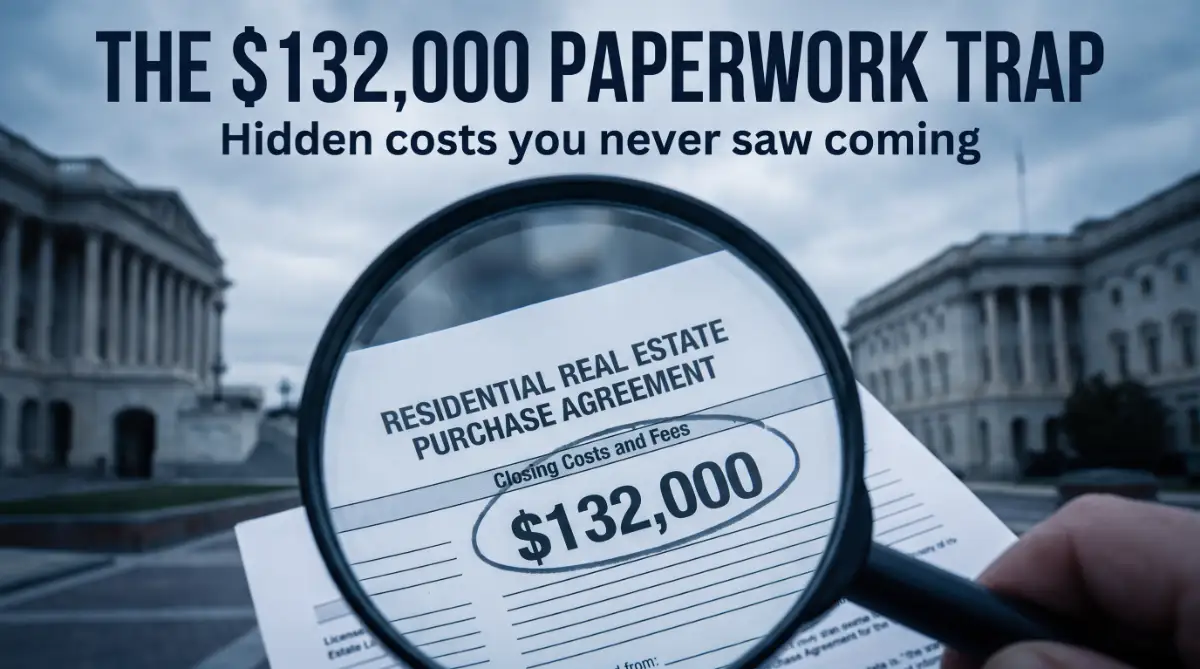
Most people don't realize that government regulations add roughly $132,000 to the cost of a typical newly built home. That is a massive amount of money that doesn't go into the house itself. It goes into permits, studies, and waiting for approvals.
This huge extra cost has a massive impact of government regulations on home affordability. It makes it almost impossible for young families to buy their first place. You are paying for the house, and then you are paying a "regulation tax" on top of it.
If you are looking at a house and wondering why the price is so high, look at the rules. From environmental tests to specific building codes, every layer adds more dollars to your mortgage. This is one of the biggest hidden costs of government regulations in the world today.
Navigating the USA Mortgage Rule Jungle
If you are buying in the United States, you need to know about FHA loan requirements. These loans are great for first-time buyers, but they come with very strict rules. The government wants to make sure the house is "safe," but their definition of safe can be very picky.
I once saw a deal get delayed for weeks because a tiny bit of paint was peeling on a backyard fence. The FHA appraiser wouldn't sign off until it was fixed and re-inspected. It sounds silly, but these are the HUD guidelines that everyone must follow.
You also have to deal with RESPA (Real Estate Settlement Procedures Act) compliance. This law was made to protect you from kickbacks, but it also means more paperwork. Every single fee must be disclosed perfectly, or the whole deal stops.
Mortgage disclosure rules are another big hurdle. The government requires lenders to give you specific forms at specific times. If they miss a deadline by even one hour, your closing date might get pushed back by days. It is a game of "check the box" where you are the one who loses if a box is missed.
Understanding the UK's Financial Guardrails
For my friends in the UK, the rules are just as tight. One of the biggest things that stops a sale is the Anti-Money Laundering (AML) checks for buyers. The government wants to know exactly where every penny of your deposit came from.
If your parents gave you money five years ago, you might still have to prove it. This can cause massive financial documentation delays that drive people crazy. It feels like the government is acting like a detective in your private life.
Then you have to deal with the Mortgage Market Review (MMR) impact. This changed how banks look at your spending. They don't just look at your salary; they look at your gym membership and how many times you buy coffee.
It makes getting a mortgage feel like an interrogation. If the bank thinks you spend too much on hobbies, they might say no because of these rules. They want to be sure you can pay, but sometimes it feels like they are being too strict.
Also, keep an eye on Stamp Duty Land Tax (SDLT) changes. The government loves to change these rates, and if you close a day late, you might owe thousands more. It is a high-stakes race against the clock.
The Invisible Barriers of Credit and Debt
No matter where you live, credit score regulations are the foundation of your loan. But these rules are not always fair. A small mistake on your report from three years ago can still haunt you today.
You also have to watch your debt-to-income ratio rules. The government sets limits on how much debt you can have compared to what you earn. If you have a car loan or a student loan, it might stop you from getting the house you want.
I remember one guy who bought a new refrigerator on credit a week before closing. That small $1,000 debt changed his ratio just enough to trigger a government red flag. His loan was put on hold, and he almost lost the house.
Pro Tip: I learned the hard way that you should never, ever touch your credit once you start looking for a house. Even if you see a great deal on a new sofa, wait until you have the keys in your hand. My own realization was that the government and banks are watching every penny you move during this time. Treat your credit like a fragile glass vase until the deal is finished.
Why Technical Paperwork Is Your Biggest Enemy
Even after the money is approved, the technical rules can still bite you. Local zoning laws and land use regulations are often very old and confusing. Sometimes, a house was built on a lot that "changed" its zone 50 years ago, and now the government won't let you buy it without a new study.
In the UK, you have to worry about EPC (Energy Performance Certificate) requirements. If the house doesn't meet a certain energy rating, you might not even be able to get a mortgage on it. The government wants everyone to be "green," but they don't always think about the cost to the buyer.
Environmental tests are also becoming a huge part of the process. If there is a chance the ground has an old oil tank or chemical residue, you have to wait for an EPA study. These studies don't happen overnight; they can take months.
If you want to see exactly how these rules look in real life, watch this short video. It breaks down the process in a way that actually makes sense.
The Burden of Documenting Everything
We live in a digital world, but the government still loves paper. You will be asked for tax returns, bank statements, and pay stubs over and over again. If a single page is missing a signature, the clock starts over.
These financial documentation delays are the number one reason for missed closing dates. It isn't that people don't have the money; it is that they can't prove it fast enough to satisfy a clerk in a government office.
You might feel like you are being treated like a criminal. But remember, the lender is just trying to follow the rules so they don't get fined by the government. Everyone is just trying to stay safe from the regulations.
Managing the Stress of the "Waiting Game"
The hardest part of all this is the waiting. You sit by your phone, waiting for an email that says "Clear to Close." Every time the phone rings, your heart jumps.
You might have to extend your lease at your current apartment. You might have to move your furniture into storage. This adds even more cost and more stress to your life.
It is important to stay calm and stay organized. Keep all your documents in one folder on your computer. Be ready to answer any question as soon as it is asked.
The government rules are not going away. They are a part of the world we live in. But if you know they are coming, you can prepare your mind and your wallet for the journey ahead.
Looking Ahead to the Next Steps
We have covered the financial rules and the hidden costs that slow down your purchase. But there is another side to this story. The actual physical property rules and international laws also play a big role.
In the next part of this guide, we will look at how countries like Canada and Australia handle these things. We will also talk about the final steps of the closing process and how to avoid the "last-minute" traps.
Buying a home is a marathon, not a sprint. You have to keep your energy up until the very end. Don't let the paperwork win.
Stay focused on the goal—the moment you walk through that front door. All the stress and all the rules will feel worth it once you have a place of your own. Just keep moving forward, one form at a time.
Mastering the Maze of Global Property Laws
I used to think that once you have the money, the house is yours. I was wrong. Moving from the simple financial rules in the USA to the complex laws in places like Canada and Australia taught me a hard lesson.
The world of real estate is full of small, hidden traps that can wait for you at the finish line. I once knew a family in Toronto who thought they were days away from moving into their dream home. Suddenly, everything stopped because of the Mortgage stress test regulations (OSFI).
This test is a major rule in Canada that forces you to prove you can still pay your loan even if interest rates go up. It doesn't matter if you are wealthy; you still have to pass this specific "stress" level. It is one of the most common reasons why owning a home feels impossible for many right now.
In Canada, there is also the Prohibition on the Purchase of Residential Property by Non-Canadians Act. People often call this the Foreign buyer ban. I have seen many buyers get confused by this because the rules change depending on your residency status.
If you are buying a brand-new house in Canada, you also have to account for GST on new housing. This tax can be a huge surprise if you didn't save enough extra cash. It is another example of how the government stays involved in your private bank account.
How to Beat the Clock and Win the Waiting Game
When you are dealing with government offices, you are at the mercy of their schedule. For example, the Land Registry processing times can vary wildly depending on the city. I have seen deals sit in a pile on someone's desk for weeks while the buyer is living in a hotel.
To speed things up, you should always start your title search delays early. A title search looks at the history of the house to make sure nobody else owns a piece of it. If there is a "cloud" on the title, it could take months to clear up.
In Australia, the rules for international buyers are very strict. You might need FIRB (Foreign Investment Review Board) approval before you can even sign a contract. If you forget this step, you could face massive fines or even lose your deposit.
I always suggest checking your First Home Owner Grant (FHOG) eligibility as soon as you start looking. This grant can help you with costs, but the paperwork is very specific. You don't want to miss out on free money because you filled out a form wrong.
Another thing to watch for is Stamp Duty concessions. This is a tax break that the government gives to certain buyers. However, the rules for these concessions change often, so you need to check the latest official Australia Taxation Office guidelines before you commit.
Staying Ahead of Technical and Local Roadblocks
Local governments have their own sets of rules that are separate from national laws. One of the biggest headaches I have faced is Building permit delays. If the previous owner did some work without a permit, you might be stuck fixing their mistake.
You also need to be aware of local council regulations. These can cover anything from the height of your fence to the color of your front door. It sounds small, but a council dispute can stop a house sale dead in its tracks.
In the UK, the EPC (Energy Performance Certificate) requirements are becoming a major focus. The government wants homes to be more efficient. If the house has a low rating, you might find that your lender refuses to give you the money.
I recommend that every buyer does their own due diligence on zoning rules before signing anything. I have seen people buy a house thinking they could start a home business, only to find the zoning didn't allow it.
You should also look into any EPA environmental assessment needs. If the land was ever used for a factory or a gas station, the soil might be contaminated. This kind of cleanup can cost a fortune and add years to your timeline.

The Hidden Blunders That Can Save or Sink Your Move
One of the biggest mistakes I see people make is ignoring Zoning laws and land use regulations. They assume that if a house exists, it must be legal. But I have seen many "illegal additions" that the government ordered to be torn down after the sale.
Another common pitfall is failing to check for National Construction Code (NCC) updates. If you are buying a house that was recently built or renovated, it must meet these new standards. If it doesn't, you might have to spend thousands on repairs before the government lets you move in.
I have seen buyers get so excited that they skip the EPA environmental assessment to save money. This is a huge risk. If you find out later that your backyard has toxic waste, your property value will vanish overnight.
Many people also forget to factor in the time it takes for a title search. They wait until the last week of closing to ask about it. When the search comes back with an old debt from twenty years ago, the whole deal freezes.
It is heartbreaking to see someone lose their dream home because of a small administrative error. I always tell people to double-check their Land Registry processing times before they hire a moving truck. Don't assume the government will be fast just because you are in a hurry.
You should also be wary of common home inspection mistakes that can hide legal issues. A good inspector will look for things that might trigger a government inspection. If they find something, you can ask the seller to fix it before you get the government involved.
Why Small Mistakes Lead to Massive Delays
I remember a buyer who didn't realize that their local council regulations prohibited their specific type of home office. They had already quit their job to work from home. When the council sent a "stop work" order, their entire life plan fell apart.
Another mistake is miscalculating your Stamp Duty concessions. People often count on that money to pay for their movers. When they realize they don't qualify, they are left with an empty bank account on moving day.
I have also seen many people get tripped up by Building permit delays for minor repairs. They think, "It's just a new deck, who will know?" But the government has ways of finding out, usually when you try to sell the house later.
If you are buying in a new area, always evaluate the neighborhood growth potential and check for planned government projects. A new highway or a change in land use can affect your property's value and your legal rights.
Finally, never sign a contract without knowing exactly what a last will and testament or estate plan means for the property. If the owner passed away and the government hasn't finished the probate process, you could be waiting for years.
Stepping into Your New Home with Peace of Mind
I want you to know that while these rules seem scary, you can win this game. The key is to stay organized and stay calm. You have worked too hard to let a piece of paper stand in your way.
Think about the moment you finally turn the key in that front door. The smell of a new home and the feeling of accomplishment will be worth every form you had to sign. Every delay is just a small hurdle on the path to your dream.
I truly believe that if you follow the steps we discussed, you will be the most prepared buyer in the room. You have the knowledge now to ask the right questions. Don't be afraid to push for answers from your lawyer or your agent.
My own journey through the world of real estate taught me that patience is a superpower. I had to learn to wait while the government did its work. But in the end, I got the keys, and so will you.
I hope you feel more confident about your home purchase today. Take one step at a time and don't let the big picture overwhelm you. You have the tools to navigate this maze and come out as a homeowner on the other side.
Common Questions About Property Rules
What is the FIRB approval process in Australia?
The Foreign Investment Review Board (FIRB) checks if a foreign person buying property is in the best interest of the country. You must apply and pay a fee before you can buy a home. It is a necessary step to avoid legal trouble later.
How does the Canadian mortgage stress test affect my loan?
The OSFI stress test checks if you can afford your mortgage if the interest rates rise by 2% or more. This means you might qualify for a smaller loan than you originally thought. It is designed to prevent people from losing their homes if the economy changes.
Why are Land Registry times taking so long?
Many government offices are still catching up with a backlog of paperwork from recent years. Some areas also have older systems that take longer to process digital files. It is always best to check the official UK Land Registry website for current wait times.
Can a local council really stop me from moving in?
Yes, if the house has illegal structures or doesn't meet safety codes, the council can withhold an "occupancy permit." This means you legally cannot live in the house until the issues are fixed. Always check for outstanding council orders before you buy.
Does every buyer get a Stamp Duty concession?
No, these tax breaks are usually reserved for first-time buyers or people buying below a certain price point. Each state and country has its own rules about who qualifies. Make sure to check your property tax assessment to see if you have extra costs.
Disclaimer: This article is for informational purposes only and does not constitute legal or financial advice. Laws and regulations regarding home purchases can change without notice. Always consult with a qualified real estate attorney or a professional financial advisor before making any major property decisions.